Glena nigricaria
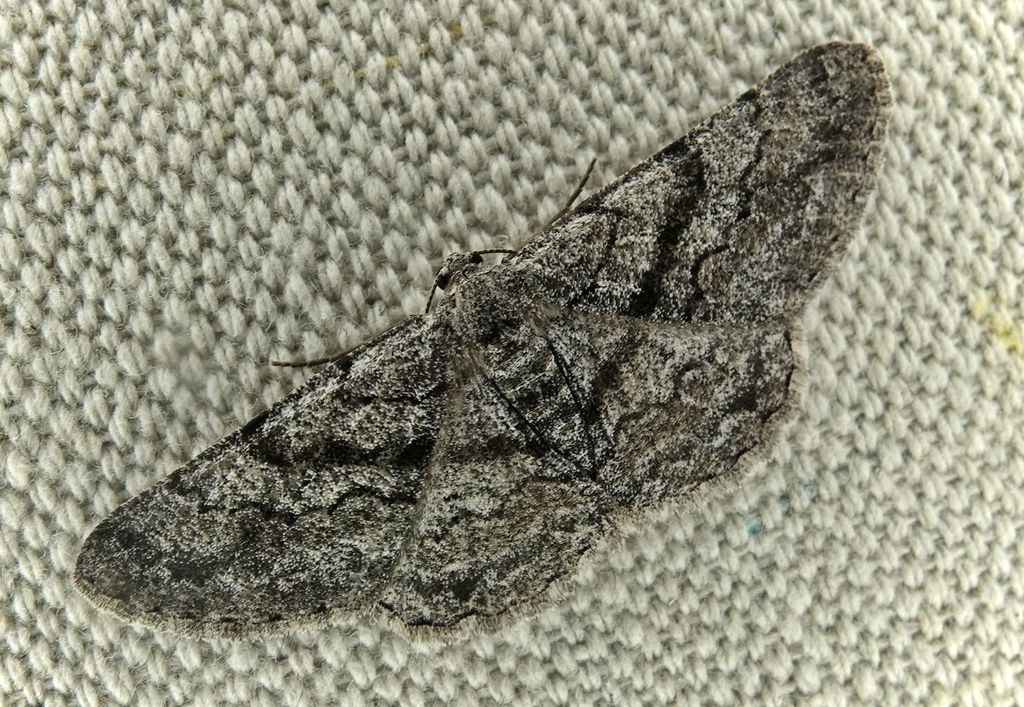
(c) Colin Croft, some rights reserved (CC BY) · licence
Family: Geometridae · Class: Insecta · Order: Lepidoptera
Glena nigricaria is a California animal in the Geometridae family.
Glena nigricaria is a moth species belonging to the family Geometridae, commonly known as the geometer moths or inchworms. This species represents one of the numerous geometrid moths found within California's diverse lepidopteran fauna. The taxonomic classification places it within the genus Glena, which comprises several North American species characterized by their distinctive wing patterns and nocturnal habits. Geometrid moths are distinguished by their characteristic flight patterns and wing positioning when at rest. Adult Glena nigricaria likely exhibits the typical geometrid features of broad wings held horizontally when resting, creating a triangular silhouette. The species name 'nigricaria' suggests dark coloration patterns, potentially with black or dark brown markings on the forewings and hindwings. Like other geometrids, adults possess relatively slender bodies compared to their wingspan and thread-like antennae. The current distribution and range of Glena nigricaria within California remains poorly documented in readily accessible databases. Limited taxonomic records suggest the species occurs within the state's boundaries, though specific counties and elevational ranges require further investigation. Many geometrid moths demonstrate restricted ranges tied to specific host plant distributions and microhabitat requirements. Habitat preferences for Glena nigricaria are not well-established in current literature. Geometridae moths typically occupy diverse habitats ranging from coastal scrublands to montane forests, with species-specific associations often linked to particular plant communities. Many California geometrids inhabit oak woodlands, chaparral, mixed evergreen forests, or riparian zones where their larval host plants occur. The species likely requires intact native plant communities to support its complete life cycle. The larval stage, commonly called an inchworm or looper caterpillar, represents the primary feeding phase for geometrid moths. These caterpillars are characterized by their distinctive locomotion method, extending and contracting their bodies in measured movements. Glena nigricaria larvae likely feed on specific host plants, though the particular species remain undocumented. Adult moths are typically nocturnal, attracted to artificial lights and active during evening and nighttime hours. Mating likely occurs during specific seasonal periods when environmental conditions favor reproduction. The conservation status of Glena nigricaria has not been formally assessed by state or federal agencies. Many California lepidopteran species face population pressures from habitat loss, urbanization, invasive plant species displacement of native host plants, pesticide applications, and climate change effects on phenology and distribution. Without comprehensive population monitoring or habitat assessments, the species' conservation needs remain unknown. The lack of readily available ecological data highlights the need for increased survey efforts targeting lesser-known moth species within California's geometrid fauna. Conservation of native plant communities remains essential for supporting specialized lepidopteran species and maintaining ecosystem integrity across California's diverse landscapes.
Classification
Class: Insecta · Order: Lepidoptera · Family: Geometridae
Frequently asked questions
How is Glena nigricaria classified?
Glena nigricaria belongs to class Insecta, order Lepidoptera, family Geometridae.
What family does Glena nigricaria belong to?
Glena nigricaria is in the Geometridae family.
What is Glena nigricaria?
Glena nigricaria is a moth species belonging to the family Geometridae, commonly known as the geometer moths or inchworms.
Is Glena nigricaria found in California?
Yes. Glena nigricaria is recorded in California in The California Species Project's catalogue.
Related species
Other California species in the same genus, family, or bioregion.
Data from The California Species Project — 14,000+ California species with verified data from CNPS, CDFW, USFWS, and more.