Gloveria medusa
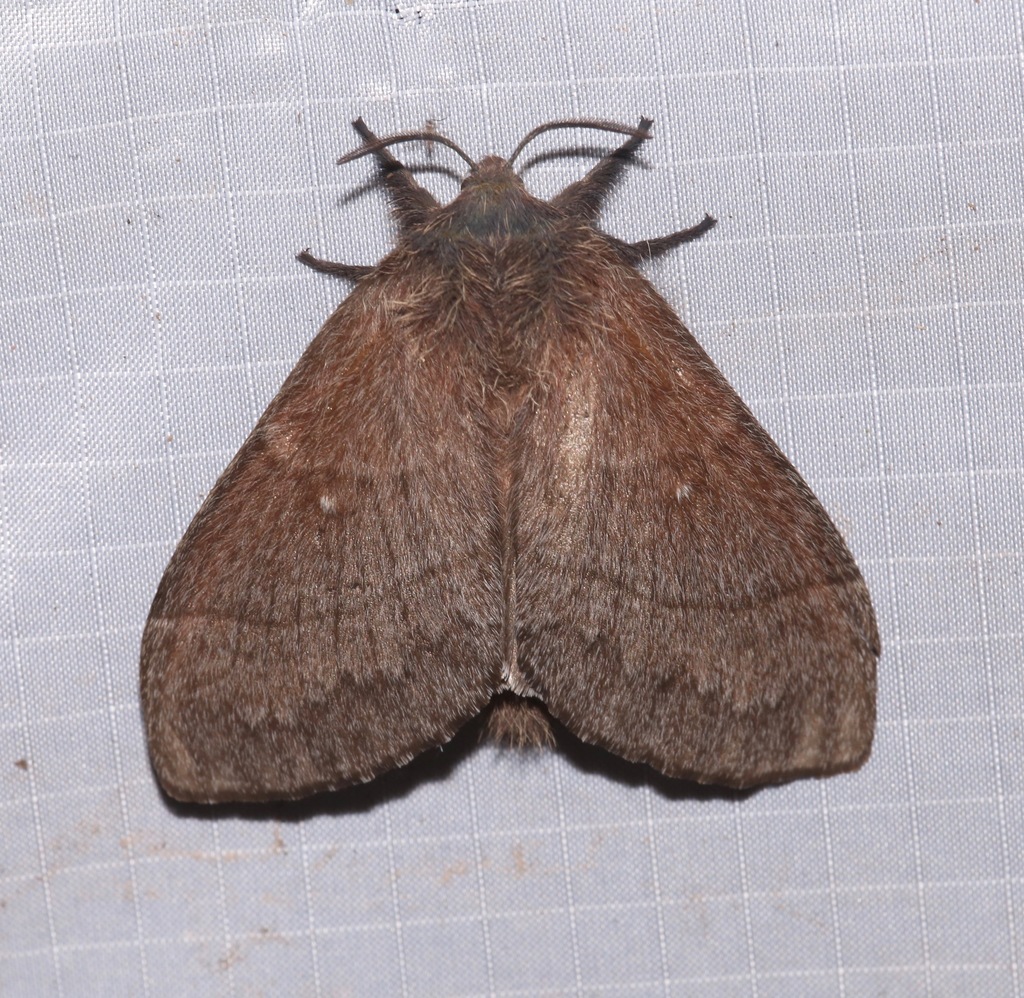
(c) Laura Gaudette, some rights reserved (CC BY) · licence
Family: Lasiocampidae · Class: Insecta · Order: Lepidoptera
Gloveria medusa is a California animal in the Lasiocampidae family.
Gloveria medusa is a moth species in the family Lasiocampidae, commonly known as tent caterpillars or lappet moths. This species represents one of several Gloveria moths found in western North America, though detailed morphological descriptions remain limited in the scientific literature. Like other members of the genus, adult moths likely display the characteristic robust body structure and broad wings typical of Lasiocampidae, with wing patterns that may include earth tones such as browns, grays, or reddish hues that provide camouflage against bark and foliage. The range and distribution of Gloveria medusa appears to be poorly documented in available scientific literature. The genus Gloveria is primarily associated with western North America, with various species occurring from British Columbia south through California and into Mexico. Without specific locality records, the precise California distribution of G. medusa remains unclear, though the species likely occurs in mountainous or foothill regions where suitable host plants are present. Habitat requirements for Gloveria medusa are not well-established in current literature. Other Gloveria species typically inhabit areas with oak woodlands, chaparral, or mixed coniferous forests. The species likely requires specific host plants for larval development, as Lasiocampidae larvae are generally host-specific, but the particular plants utilized by G. medusa have not been definitively documented. Elevation preferences and microhabitat requirements remain unknown without additional field studies. The life cycle and behavior of Gloveria medusa follow the general pattern of Lasiocampidae moths. Adults likely emerge during specific seasonal windows, with timing potentially varying by elevation and local climate conditions. Females presumably deposit eggs on or near host plant foliage, where larvae develop through several instars before pupating. Larvae of related Gloveria species are known to construct silk shelters or feeding webs, though specific behavioral details for G. medusa are not documented. Adult activity patterns, including flight periods and mating behaviors, require further investigation. Gloveria medusa does not appear on federal or California state lists of threatened or endangered species. The conservation status of this species is difficult to assess due to limited survey data and taxonomic uncertainty within the genus. Many Lepidoptera species face pressures from habitat loss, climate change, and pesticide use, but specific threats to G. medusa populations are unknown. The species may benefit from broader conservation efforts targeting oak woodlands and native plant communities in California. Additional taxonomic research and field surveys are needed to better understand the distribution, ecology, and conservation needs of this poorly known moth species.
Classification
Class: Insecta · Order: Lepidoptera · Family: Lasiocampidae
Frequently asked questions
How is Gloveria medusa classified?
Gloveria medusa belongs to class Insecta, order Lepidoptera, family Lasiocampidae.
What family does Gloveria medusa belong to?
Gloveria medusa is in the Lasiocampidae family.
What is Gloveria medusa?
Gloveria medusa is a moth species in the family Lasiocampidae, commonly known as tent caterpillars or lappet moths.
Is Gloveria medusa found in California?
Yes. Gloveria medusa is recorded in California in The California Species Project's catalogue.
Related species
Other California species in the same genus, family, or bioregion.
Data from The California Species Project — 14,000+ California species with verified data from CNPS, CDFW, USFWS, and more.