Gnophaela latipennis
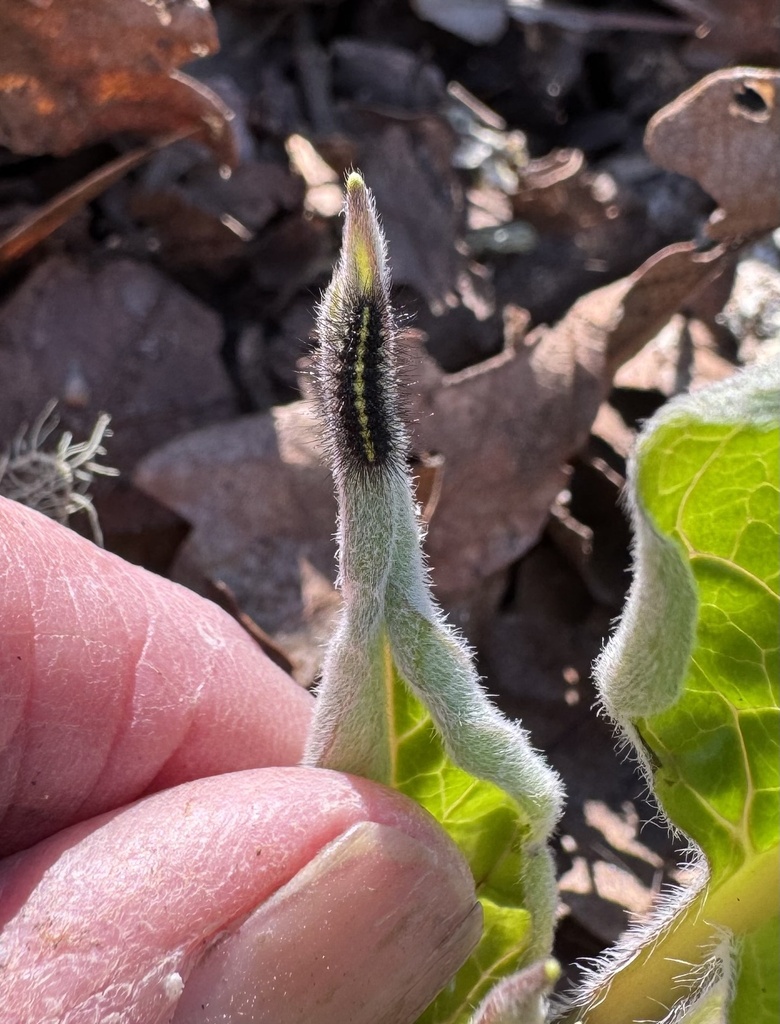
(c) John Hibbard, some rights reserved (CC BY) · licence
Family: Erebidae · Class: Insecta · Order: Lepidoptera
Gnophaela latipennis is a California animal in the Erebidae family.
Gnophaela latipennis, commonly known as the Sierra tiger moth or broad-winged tiger moth, is a member of the family Erebidae, subfamily Arctiinae. Adults have a wingspan of 32-45 mm (1.3-1.8 inches), with males typically smaller than females. The forewings are dark brown to black with distinctive white or cream-colored markings forming irregular bands and patches. The hindwings are orange-red with black marginal borders and scattered black spots. The thorax is dark with white longitudinal stripes, while the abdomen displays alternating black and orange-red segments with white spots along the sides. This species occurs in western North America, with populations documented from British Columbia south through the western United States. In California, Gnophaela latipennis is found primarily in mountainous regions of the Sierra Nevada, Cascade Range, and northern Coast Ranges. According to museum collection records, the species has been recorded at elevations ranging from approximately 1,200 to 3,000 meters (3,900 to 9,800 feet), with most observations occurring between 1,500 and 2,500 meters. The Sierra tiger moth inhabits coniferous forests, particularly areas dominated by Douglas fir, white fir, ponderosa pine, and lodgepole pine. Adults are typically found in forest openings, meadows, and along forest edges where nectar sources are available. The species shows a preference for mesic forest environments with moderate canopy cover and diverse understory vegetation. Adults are active during summer months, typically from June through August, with peak flight activity occurring in July based on collection data. The species is primarily nocturnal and is attracted to artificial lights. Males are more active fliers and are encountered more frequently than females. Larvae feed on various herbaceous plants and low shrubs, though specific host plant preferences remain poorly documented in the literature. The species likely has a single generation per year, with larvae overwintering and pupating in spring. Females deposit eggs singly or in small clusters on or near host plants. Gnophaela latipennis does not currently hold federal or state conservation status in California. However, like many montane forest species, it may face pressure from climate change, which could shift suitable habitat to higher elevations. Forest management practices, including timber harvesting and fire suppression, may also influence population dynamics by altering habitat structure and composition. The species' distribution in higher elevation forests makes it potentially vulnerable to warming temperatures and associated changes in forest composition. Population trends and detailed ecological requirements remain poorly understood, limiting assessment of conservation needs.
Classification
Class: Insecta · Order: Lepidoptera · Family: Erebidae
Frequently asked questions
How is Gnophaela latipennis classified?
Gnophaela latipennis belongs to class Insecta, order Lepidoptera, family Erebidae.
What family does Gnophaela latipennis belong to?
Gnophaela latipennis is in the Erebidae family.
What is Gnophaela latipennis?
Gnophaela latipennis, commonly known as the Sierra tiger moth or broad-winged tiger moth, is a member of the family Erebidae, subfamily Arctiinae.
Is Gnophaela latipennis found in California?
Yes. Gnophaela latipennis is recorded in California in The California Species Project's catalogue.
Related species
Other California species in the same genus, family, or bioregion.
Data from The California Species Project — 14,000+ California species with verified data from CNPS, CDFW, USFWS, and more.