Gnorimoschema octomaculella
Rabbitbrush stem gall moth
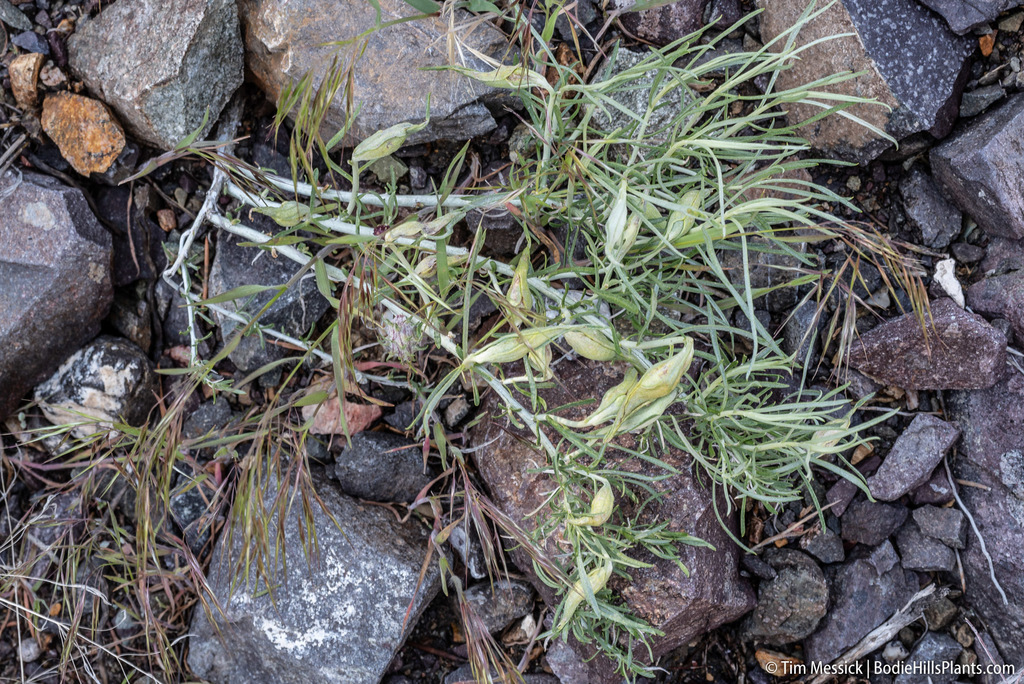
(c) Tim Messick, some rights reserved (CC BY) · licence
Family: Gelechiidae · Class: Insecta · Order: Lepidoptera
Gnorimoschema octomaculella (Rabbitbrush stem gall moth) is a California animal in the Gelechiidae family.
The rabbitbrush stem gall moth is a small microlepidopteran in the family Gelechiidae. Adults measure 5 to 10 mm in forewing length (Powell & Opler 2009). The forewings are pale gray and peppered with small black dots, displaying three rust-colored transverse bands or pairs of markings that distinguish this species from other members of the genus Gnorimoschema (BugGuide 2025). This species occurs in western North America, with documented populations in California, Nevada, and other western states. The moth is associated with arid and semi-arid habitats where its host plants thrive. Specific county-level distribution records within California require additional documentation, though the species has been collected in various desert and rangeland environments throughout the western United States. Rabbitbrush stem gall moths inhabit areas dominated by sagebrush steppe and desert shrubland communities. These environments typically occur at elevations ranging from low desert floors to montane zones where rabbitbrush species are prevalent. The moths are closely tied to the presence of their host plants, which grow in well-drained soils characteristic of western rangelands and desert margins. Larvae develop within stem galls they create on rabbitbrush plants (Ericameria and Chrysothamnus species). The feeding behavior creates distinctive swellings in the stems, similar to gall formations produced by other Gnorimoschema species on their respective hosts. Adult moths are nocturnal and are attracted to artificial lights. The species exhibits a univoltine life cycle, with adults typically emerging during late summer and early fall months. Mating and oviposition occur during the adult flight period, with females depositing eggs on suitable host plant stems. Larvae feed within the stem galls throughout their development, consuming plant tissue and creating galleries within the swollen stem sections. This feeding pattern is characteristic of the gallaesolidaginis species group within the genus Gnorimoschema, which includes several species that form similar galls on various Asteraceae host plants. Pupation likely occurs in the soil near the host plant, following the pattern observed in related gelechiid species. The rabbitbrush stem gall moth is not federally listed under the Endangered Species Act, nor does it appear on California state lists of threatened or endangered species as of December 2025. However, like many specialized herbivorous insects, the species may be vulnerable to habitat loss and degradation affecting western shrublands. Conversion of native rangelands to agriculture, urban development, and altered fire regimes could impact local populations by reducing the availability of suitable host plants. Climate change may also affect the distribution and abundance of both the moth and its rabbitbrush hosts across their range. Conservation of intact sagebrush and desert shrub communities benefits this species along with numerous other specialized invertebrates that depend on these ecosystems. Additional research is needed to better understand the species' specific habitat requirements, population status, and response to environmental changes affecting western North American rangelands.
Classification
Class: Insecta · Order: Lepidoptera · Family: Gelechiidae
Frequently asked questions
How is Gnorimoschema octomaculella classified?
Gnorimoschema octomaculella belongs to class Insecta, order Lepidoptera, family Gelechiidae.
What family does Gnorimoschema octomaculella belong to?
Gnorimoschema octomaculella is in the Gelechiidae family.
What is Gnorimoschema octomaculella?
The rabbitbrush stem gall moth is a small microlepidopteran in the family Gelechiidae.
Is Gnorimoschema octomaculella found in California?
Yes. Gnorimoschema octomaculella is recorded in California in The California Species Project's catalogue.
Related species
Other California species in the same genus, family, or bioregion.
Data from The California Species Project — 14,000+ California species with verified data from CNPS, CDFW, USFWS, and more.