Grammia behrii
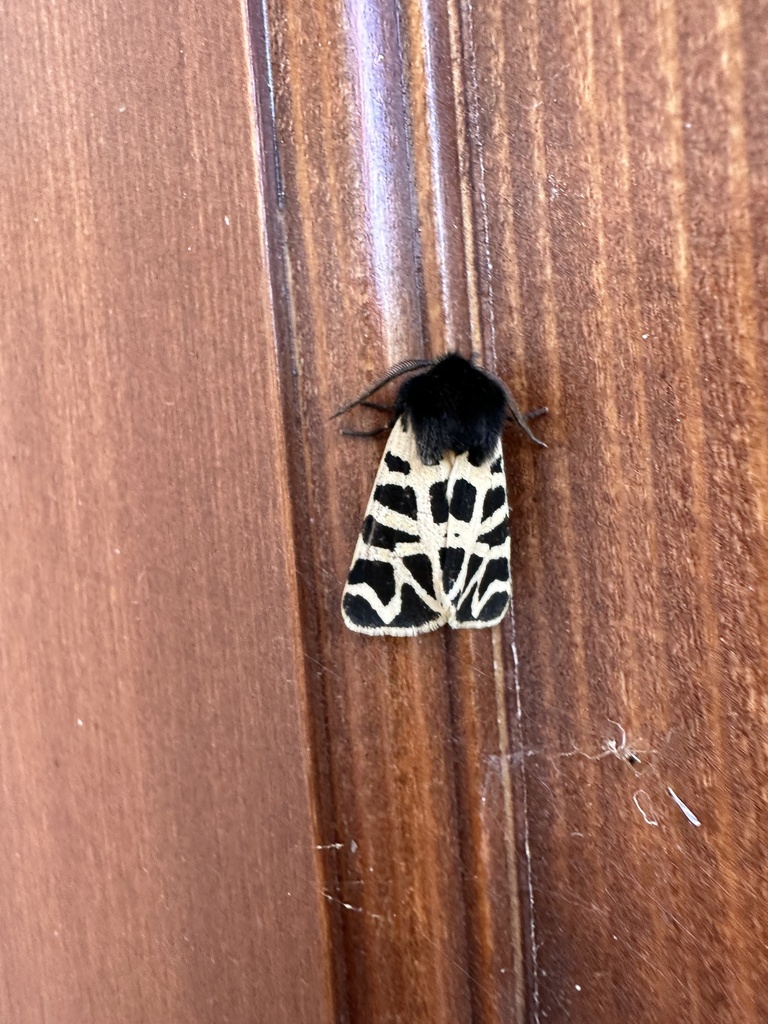
no rights reserved · CC0
Family: Erebidae · Class: Insecta · Order: Lepidoptera
Grammia behrii is a California animal in the Erebidae family.
Grammia behrii, commonly known as Behr's tiger moth, is a moth in the family Erebidae. This species was originally described by Stretch in 1872 and has undergone taxonomic revision, having been previously classified in the genus Apantesis before being elevated from synonymy with G. nevadensis (Ferguson & Schmidt 2007). Like other tiger moths in the genus Grammia, adults likely display the characteristic pattern of dark forewings with pale markings and brightly colored hindwings, though specific morphological details for this species have not been well documented in available literature. Grammia behrii occurs from Oregon south to California, with populations most common in the Siskiyou Mountains and Sierra Nevada ranges. The species appears to have a limited distribution within California, primarily associated with montane regions. Specific county-level distribution data and historical range information remain poorly documented for this species. The habitat of G. behrii consists of dry lithosol flood plains and balds in mountainous areas. Lithosol soils are typically shallow, rocky substrates found on steep slopes and exposed ridges. These habitats are characterized by sparse vegetation and well-drained conditions. The species' association with mountain balds suggests it may prefer open, exposed areas within montane ecosystems rather than dense forest habitats. Elevation ranges and specific microhabitat requirements have not been thoroughly studied. Specific behavioral and ecological information for Grammia behrii remains limited in the scientific literature. As with other Grammia species, adults likely exhibit nocturnal activity patterns typical of tiger moths. The larval stage probably feeds on herbaceous plants common in their dry, rocky habitat, though specific host plant relationships have not been documented. Seasonal activity patterns, reproductive behavior, and life cycle timing require further research to establish baseline ecological knowledge for this species. Currently, Grammia behrii has no federal or state conservation listing status in California. The species' conservation status remains largely unassessed, likely due to limited survey data and taxonomic uncertainty that has historically surrounded this group. The restricted range within specific mountain ranges of California and Oregon may make populations vulnerable to habitat disturbance, climate change impacts on montane ecosystems, and other anthropogenic pressures. However, without comprehensive population surveys or threat assessments, the actual conservation needs of this species cannot be adequately determined. Scientific documentation for this species remains limited. The information presented here is based on available sources including taxonomic revisions, museum databases, and naturalist observations. If you have additional verified information about this species' biology, distribution, or ecology, please contact us to help improve this species account.
Classification
Class: Insecta · Order: Lepidoptera · Family: Erebidae
Frequently asked questions
How is Grammia behrii classified?
Grammia behrii belongs to class Insecta, order Lepidoptera, family Erebidae.
What family does Grammia behrii belong to?
Grammia behrii is in the Erebidae family.
What is Grammia behrii?
Grammia behrii, commonly known as Behr's tiger moth, is a moth in the family Erebidae.
Is Grammia behrii found in California?
Yes. Grammia behrii is recorded in California in The California Species Project's catalogue.
Related species
Other California species in the same genus, family, or bioregion.
Data from The California Species Project — 14,000+ California species with verified data from CNPS, CDFW, USFWS, and more.