Grammia nevadensis
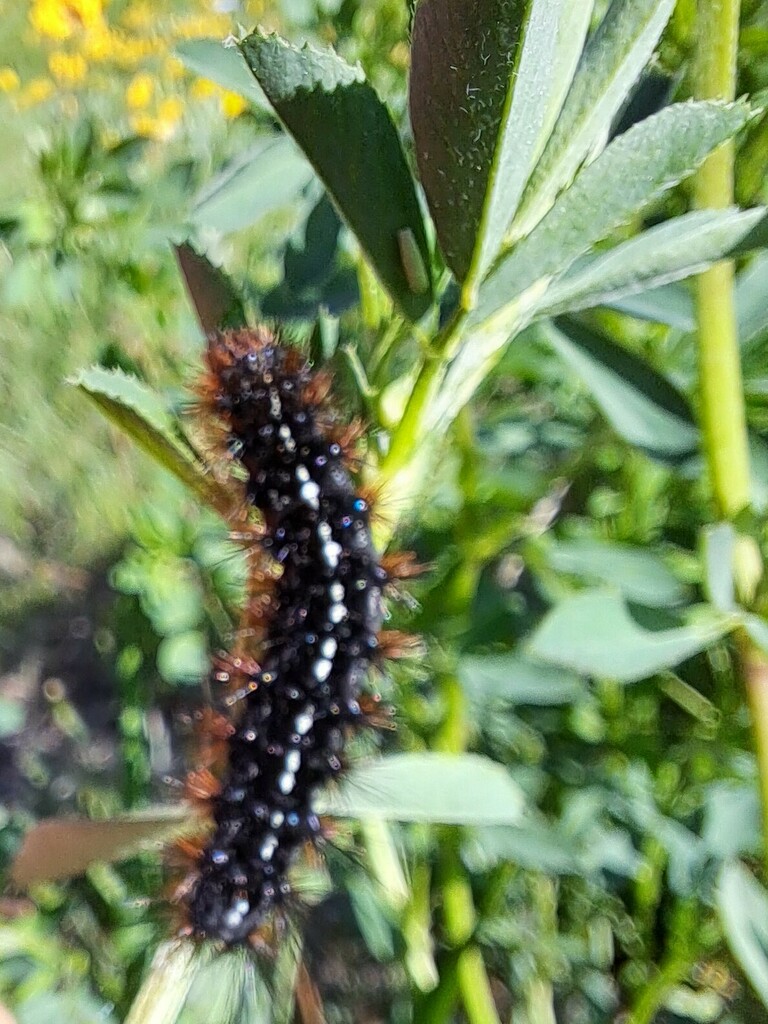
(c) Syd Cannings, some rights reserved (CC BY) · licence
Family: Erebidae · Class: Insecta · Order: Lepidoptera
Grammia nevadensis is a California animal in the Erebidae family.
Grammia nevadensis is a moth species in the family Erebidae, subfamily Arctiinae, commonly known as tiger moths. This species belongs to the genus Grammia, which comprises medium-sized moths characterized by distinctive wing patterns and coloration. Adult moths typically measure 35 to 45 mm in wingspan, though specific measurements for G. nevadensis require further documentation. The species was originally described from Nevada, as indicated by its specific epithet 'nevadensis.' However, comprehensive distribution data for Grammia nevadensis remains limited in current literature. The genus Grammia is primarily distributed across western North America, with various species occupying montane and subalpine habitats. Without verified occurrence records, the precise range of G. nevadensis in California cannot be definitively established. Like other Grammia species, G. nevadensis likely inhabits mountainous regions with diverse plant communities. Tiger moths in this genus typically prefer areas with abundant herbaceous vegetation and shrubs that serve as larval host plants. Elevation preferences for this species have not been documented, though related Grammia species often occur at moderate to high elevations in the western United States. The life cycle of Grammia nevadensis follows the typical pattern of tiger moths. Adults are presumed to be active during summer months, when most Grammia species emerge and reproduce. Larvae, known as woolly bears, are likely polyphagous feeders that consume various herbaceous plants and low shrubs. The caterpillars probably overwinter and pupate in spring, emerging as adults the following summer. Specific host plant relationships and detailed ecological requirements remain undocumented for this species. Mating behavior in Grammia species typically involves pheromone communication, with males locating females through chemical signals. Females deposit eggs on or near suitable host plants, and the resulting larvae develop through several instars before pupation. Adult moths may be attracted to artificial lights and are generally nocturnal in their activity patterns. The conservation status of Grammia nevadensis has not been formally assessed by state or federal agencies. No specific population data or trend information is available for this species. The lack of comprehensive survey data makes it difficult to evaluate potential threats or conservation needs. Like many Lepidoptera species, G. nevadensis may face pressures from habitat modification, climate change, and other environmental factors, but the magnitude of these impacts remains unknown. Further taxonomic and ecological research is needed to clarify the status, distribution, and conservation requirements of Grammia nevadensis. Systematic surveys in appropriate habitats could help establish occurrence records and population estimates. Without verified California records or detailed ecological information, this species represents a significant knowledge gap in the state's Lepidoptera fauna.
Classification
Class: Insecta · Order: Lepidoptera · Family: Erebidae
Frequently asked questions
How is Grammia nevadensis classified?
Grammia nevadensis belongs to class Insecta, order Lepidoptera, family Erebidae.
What family does Grammia nevadensis belong to?
Grammia nevadensis is in the Erebidae family.
What is Grammia nevadensis?
Grammia nevadensis is a moth species in the family Erebidae, subfamily Arctiinae, commonly known as tiger moths.
Is Grammia nevadensis found in California?
Yes. Grammia nevadensis is recorded in California in The California Species Project's catalogue.
Related species
Other California species in the same genus, family, or bioregion.
Data from The California Species Project — 14,000+ California species with verified data from CNPS, CDFW, USFWS, and more.