Gymnura marmorata
California Butterfly Ray
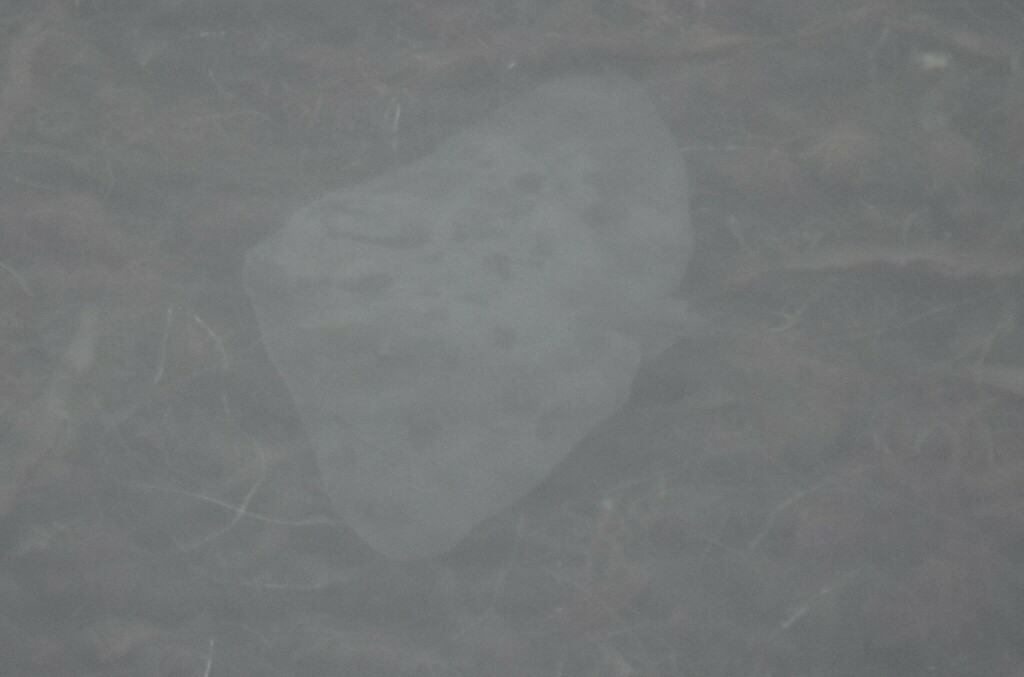
(c) Konshau Duman, some rights reserved (CC BY) · licence
Family: Gymnuridae · Class: Chondrichthyes · Order: Myliobatiformes
Gymnura marmorata (California Butterfly Ray) is a California animal in the Gymnuridae family.
The California butterfly ray is a cartilaginous fish characterized by its distinctive diamond-shaped pectoral disc and relatively short, whip-like tail. The species exhibits a flattened body form typical of rays, with enlarged pectoral fins that extend laterally from the head and trunk, creating the characteristic diamond or butterfly-wing appearance. The dorsal surface displays variable coloration patterns, while the ventral surface is typically pale. Unlike many ray species, the tail lacks prominent serrated spines and is proportionally shorter than the disc width. Gymnura marmorata occurs along the Pacific coast of North America, with its range extending from central California southward to Baja California, Mexico. Within California waters, the species has been documented in both nearshore and surf zone environments. According to the California Department of Fish and Wildlife, California butterfly rays have been recorded in recreational fisheries surveys, ranking 29th in surf zone catches with 17 individuals documented, and appearing in nearshore sampling with 20 specimens recorded. The species inhabits soft-bottom marine environments, including sandy and muddy substrates in coastal waters. California butterfly rays are found in shallow nearshore areas and surf zones, often in areas with unvegetated, soft sediment. They have been documented in estuarine environments, including muted tidal marsh systems. The species appears to favor areas where they can effectively bury themselves in sand or mud substrates for both feeding and protection. California butterfly rays are benthic predators that use their flattened body form to rest on or partially bury themselves in soft substrates. They likely feed on benthic invertebrates, small fish, and crustaceans, using their position on the bottom to ambush prey or actively forage in sediments. Reproductive biology and specific breeding behaviors have not been extensively documented in scientific literature. Like other rays, they are presumed to be ovoviviparous, with females giving birth to live young after internal development. The conservation status of the California butterfly ray has not been formally assessed under federal or state endangered species legislation. The species appears to maintain stable populations within its range, though comprehensive population studies are limited. California butterfly rays are occasionally captured in recreational fisheries and appear in scientific surveys as part of broader marine fish community assessments. They may be vulnerable to habitat degradation affecting nearshore soft-bottom environments, including coastal development, pollution, and sediment disturbance from human activities. Climate change impacts on coastal habitats could potentially affect the species' preferred shallow-water environments. The relatively limited scientific documentation of this species' specific ecological requirements and population trends indicates a need for additional research to better understand its conservation needs and population status in California waters.
Classification
Class: Chondrichthyes · Order: Myliobatiformes · Family: Gymnuridae
Frequently asked questions
How is Gymnura marmorata classified?
Gymnura marmorata belongs to class Chondrichthyes, order Myliobatiformes, family Gymnuridae.
What family does Gymnura marmorata belong to?
Gymnura marmorata is in the Gymnuridae family.
What is Gymnura marmorata?
The California butterfly ray is a cartilaginous fish characterized by its distinctive diamond-shaped pectoral disc and relatively short, whip-like tail.
Is Gymnura marmorata found in California?
Yes. Gymnura marmorata is recorded in California in The California Species Project's catalogue.
More California species
This species has no close relatives in our California data — here are other species to explore.
Data from The California Species Project — 14,000+ California species with verified data from CNPS, CDFW, USFWS, and more.