Haemorhous purpureus
Purple Finch
(c) Dani Alba, some rights reserved (CC BY) · licence
Family: Fringillidae · Class: Aves · Order: Passeriformes
Haemorhous purpureus (Purple Finch) is a California animal in the Fringillidae family.
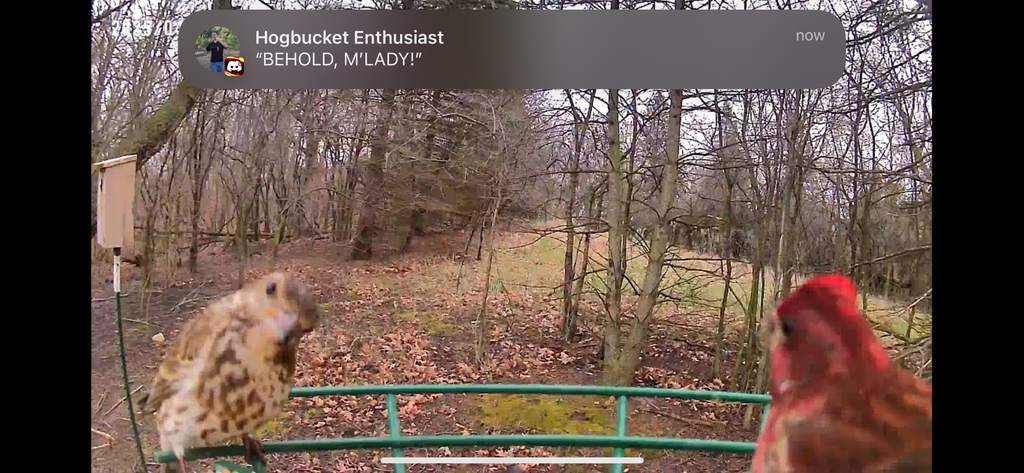
The Purple Finch is a medium-sized songbird measuring 12-16 cm (4.7-6.3 inches) in length with a wingspan of 22-26 cm (8.7-10.2 inches) and weighing 18-32 grams. Adult males display raspberry-red plumage on the head, breast, and rump, with brownish wings and tail. The red coloration is most intense on the head and upper breast, gradually fading to pinkish on the flanks. Females and juveniles are brown and heavily streaked with darker markings, featuring a prominent whitish eyebrow stripe and dark line behind the eye. Both sexes have thick, conical bills adapted for seed cracking and notched tails. Males can be distinguished from the similar House Finch by their more extensive red coloration and lack of distinct streaking on the flanks. Purple Finches breed across northern California, primarily in the Sierra Nevada, Cascade Range, and Coast Ranges. Their breeding range extends from sea level to approximately 2,400 meters (7,900 feet) elevation, though they are most common in montane forests between 900-2,100 meters (2,950-6,890 feet). During winter, populations move to lower elevations and expand their range to include the Central Valley and southern California coastal areas. The species shows irregular irruptive migration patterns, with some individuals remaining year-round while others move considerable distances based on food availability. Purple Finches inhabit coniferous and mixed forests, preferring areas with mature trees and open understory. Primary habitat types include Douglas fir, ponderosa pine, lodgepole pine, and mixed conifer forests. They also utilize oak woodlands, riparian forests, and suburban areas with mature trees and bird feeders. During breeding season, they require dense canopy cover for nesting, typically selecting sites 2-18 meters (6-60 feet) above ground in horizontal branches or forks of conifers. The species feeds primarily on seeds, buds, and berries, with a particular preference for conifer seeds including those of pine, fir, and spruce. They also consume maple and ash seeds, tree buds, and occasionally insects during breeding season. Purple Finches are highly social outside the breeding season, forming flocks of 10-50 individuals. Breeding occurs from April through August, with females constructing cup-shaped nests of twigs, rootlets, and grasses lined with fine materials. Clutch size ranges from 3-5 eggs, with an incubation period of 12-13 days. Females incubate eggs while males provide food, and young fledge after 13-16 days. Purple Finches are not federally or state listed and maintain stable populations across most of their range. According to the North American Breeding Bird Survey, populations have shown slight declines in some regions over the past several decades, attributed to habitat loss from logging and urban development. Climate change may affect their montane forest habitats and alter winter irruption patterns. The species benefits from mature forest conservation and suburban habitat enhancement through native plant landscaping.
Classification
Class: Aves · Order: Passeriformes · Family: Fringillidae
Frequently asked questions
How is Haemorhous purpureus classified?
Haemorhous purpureus belongs to class Aves, order Passeriformes, family Fringillidae.
What family does Haemorhous purpureus belong to?
Haemorhous purpureus is in the Fringillidae family.
What is Haemorhous purpureus?
The Purple Finch is a medium-sized songbird measuring 12-16 cm (4.7-6.3 inches) in length with a wingspan of 22-26 cm (8.7-10.2 inches) and weighing 18-32 grams.
Is Haemorhous purpureus found in California?
Yes. Haemorhous purpureus is recorded in California in The California Species Project's catalogue.
Related species
Other California species in the same genus, family, or bioregion.
Data from The California Species Project — 14,000+ California species with verified data from CNPS, CDFW, USFWS, and more.