Haminoea vesicula
Blister Glassy-bubble
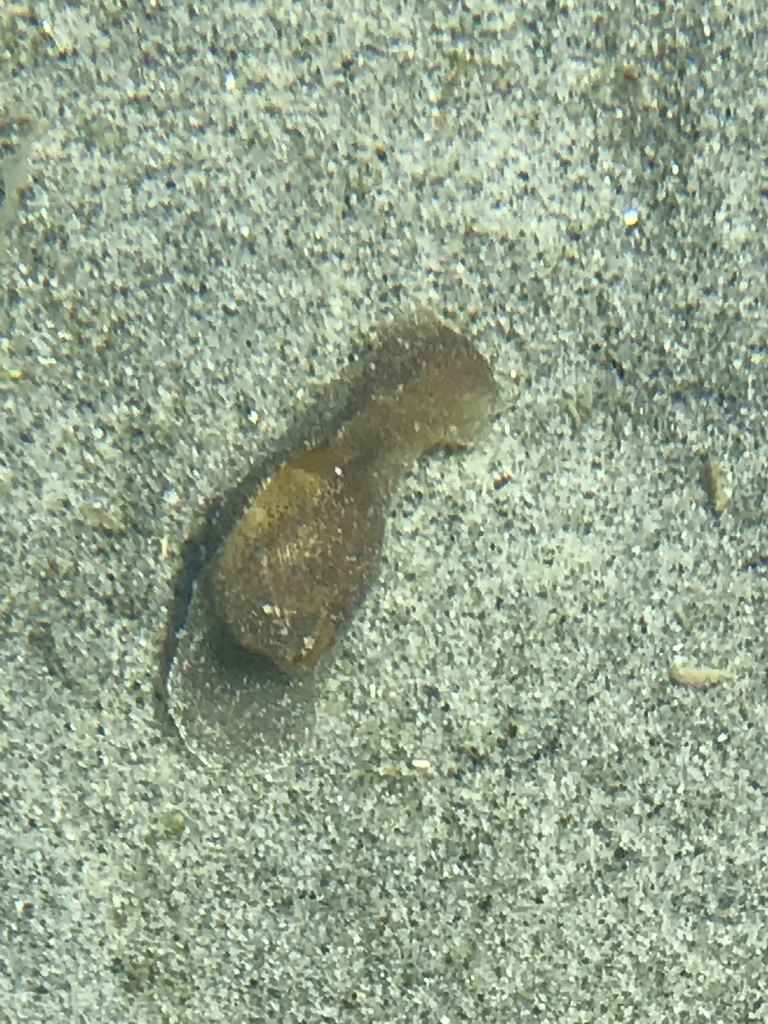
(c) rlacroix, some rights reserved (CC BY) · licence
Family: Haminoeidae · Class: Gastropoda · Order: Cephalaspidea
Haminoea vesicula (Blister Glassy-bubble) is a California animal in the Haminoeidae family.
The Blister Glassy-bubble (Haminoea vesicula) is a small marine gastropod mollusk in the family Haminoeidae. This species belongs to the order Cephalaspidea, commonly known as bubble shells or headshield slugs, characterized by their reduced or internal shells and distinctive body structure. The shell is typically thin, translucent, and bubble-like in appearance, which gives this group its common name. As a member of the genus Haminoea, this species exhibits the characteristic features of bubble shells, including a globular, fragile shell that may be partially or completely covered by the mantle when the animal is active. The body is typically soft and gelatinous, with the head bearing tentacle-like structures used for sensory purposes. Like other cephalaspideans, H. vesicula likely has a reduced or absent radula, the feeding organ typical of most gastropods. The range and distribution of Haminoea vesicula in California waters has not been comprehensively documented in available scientific literature. Many bubble shell species are found in shallow marine environments along the Pacific Coast, though specific locality records for this species require further research. The taxonomic classification places it within a diverse family that includes numerous species found in temperate and tropical waters worldwide. Habitat preferences for this species follow the general pattern of other Haminoea species, which typically inhabit shallow marine environments including tide pools, sandy bottoms, and areas with soft substrates where they can burrow or move through sediment. Many bubble shells are found in intertidal and subtidal zones, often associated with algae or marine vegetation that provides both shelter and food sources. The specific depth range and substrate preferences for H. vesicula have not been well documented in the available literature. The behavioral ecology of Haminoea vesicula, like many bubble shells, likely involves feeding on organic matter in marine sediments, algae, or small invertebrates. Many species in this family are known to be herbivorous or omnivorous, using their modified radula or pharyngeal structures to process food. Reproduction typically involves the laying of gelatinous egg masses, often in spiral or irregular clusters attached to hard surfaces or vegetation. The specific breeding season, reproductive behavior, and larval development of H. vesicula require further scientific study. Currently, Haminoea vesicula does not appear on federal or state endangered species lists, and its conservation status has not been formally assessed. The U.S. Fish and Wildlife Service maintains taxonomic records for this species but has not designated it for special conservation concern as of December 2025. Like many marine invertebrates, potential threats could include habitat degradation, pollution, ocean acidification, and climate change impacts on marine ecosystems. However, without comprehensive population studies or distribution data, the actual conservation needs of this species remain unclear. Scientific documentation for this species remains limited, and additional research is needed to better understand its distribution, ecology, and conservation requirements in California waters.
Classification
Class: Gastropoda · Order: Cephalaspidea · Family: Haminoeidae
Frequently asked questions
How is Haminoea vesicula classified?
Haminoea vesicula belongs to class Gastropoda, order Cephalaspidea, family Haminoeidae.
What family does Haminoea vesicula belong to?
Haminoea vesicula is in the Haminoeidae family.
What is Haminoea vesicula?
The Blister Glassy-bubble (Haminoea vesicula) is a small marine gastropod mollusk in the family Haminoeidae.
Is Haminoea vesicula found in California?
Yes. Haminoea vesicula is recorded in California in The California Species Project's catalogue.
Related species
Other California species in the same genus, family, or bioregion.
Data from The California Species Project — 14,000+ California species with verified data from CNPS, CDFW, USFWS, and more.