Heliothis acesias
Acesias Moth
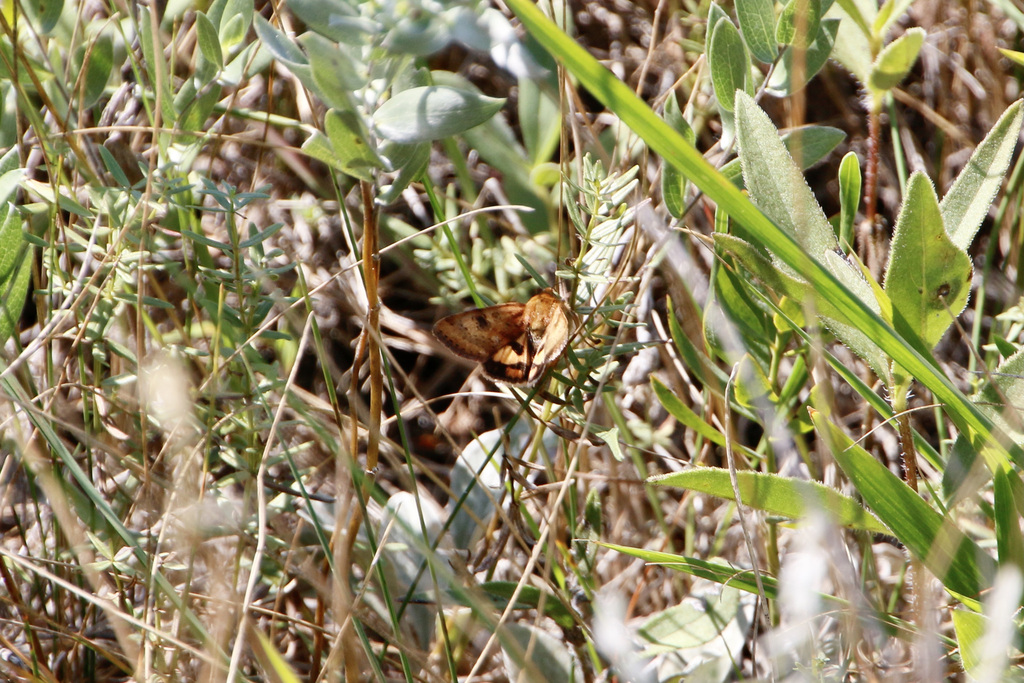
(c) Rose Zappa, some rights reserved (CC BY) · licence
Family: Noctuidae · Class: Insecta · Order: Lepidoptera
Heliothis acesias (Acesias Moth) is a California animal in the Noctuidae family.
Heliothis acesias, commonly known as the Acesias moth, is a member of the family Noctuidae, subfamily Heliothinae. This species belongs to a genus of medium-sized moths that are part of the diverse noctuid fauna of North America. The genus Heliothis contains 11 recognized species according to U.S. Fish and Wildlife Service taxonomic records, with H. acesias being one of the lesser-documented members of this group. Physical characteristics of H. acesias have not been extensively documented in the scientific literature. Like other members of the Heliothinae subfamily, this species likely exhibits the typical noctuid moth body plan with a robust thorax, narrow forewings, and relatively broad hindwings. Moths in the genus Heliothis typically display earth-toned coloration patterns that provide effective camouflage during daylight hours when they rest on bark, vegetation, or soil surfaces. The geographic range and specific distribution of Heliothis acesias remain poorly documented. While the species appears in U.S. Fish and Wildlife Service taxonomic databases, detailed range maps and locality records are not readily available in the scientific literature. Other Heliothis species are known from various western North American locations, including California, but the specific distribution of H. acesias within California or other states has not been well established through published research. Habitat requirements for H. acesias have not been specifically documented. Based on the ecological patterns observed in related Heliothis species, this moth may inhabit areas with suitable host plants and appropriate microclimate conditions. Many noctuids in this subfamily are associated with herbaceous plants and may utilize various flowering plants during their larval stages, though specific host plant relationships for H. acesias remain unknown. The life cycle, behavior, and ecological role of H. acesias have not been thoroughly studied or documented in available scientific literature. Like other noctuids, this species likely follows a complete metamorphosis pattern with egg, larval, pupal, and adult stages. Adult moths are presumably nocturnal, as is typical for the family Noctuidae, and may be attracted to artificial light sources during nighttime activity periods. Specific information about flight periods, mating behavior, larval feeding habits, and overwintering strategies remains undocumented. The conservation status of Heliothis acesias is not currently established by federal or state wildlife agencies. The species does not appear on federal endangered species lists or California state species of special concern lists as of December 2025. Without comprehensive population surveys or distribution studies, the conservation needs of this species cannot be properly assessed. The lack of detailed biological and ecological information represents a significant knowledge gap that limits effective conservation planning. Scientific documentation for this species remains extremely limited. The information presented here is based on available taxonomic records from the U.S. Fish and Wildlife Service database. Detailed ecological studies, population assessments, and habitat surveys are needed to better understand this moth's biology and conservation requirements. We welcome contributions of verified scientific data, photographs, or field observations to enhance this species account.
Classification
Class: Insecta · Order: Lepidoptera · Family: Noctuidae
Frequently asked questions
How is Heliothis acesias classified?
Heliothis acesias belongs to class Insecta, order Lepidoptera, family Noctuidae.
What family does Heliothis acesias belong to?
Heliothis acesias is in the Noctuidae family.
What is Heliothis acesias?
Heliothis acesias, commonly known as the Acesias moth, is a member of the family Noctuidae, subfamily Heliothinae.
Is Heliothis acesias found in California?
Yes. Heliothis acesias is recorded in California in The California Species Project's catalogue.
Related species
Other California species in the same genus, family, or bioregion.
Data from The California Species Project — 14,000+ California species with verified data from CNPS, CDFW, USFWS, and more.