Heliothis oregonica
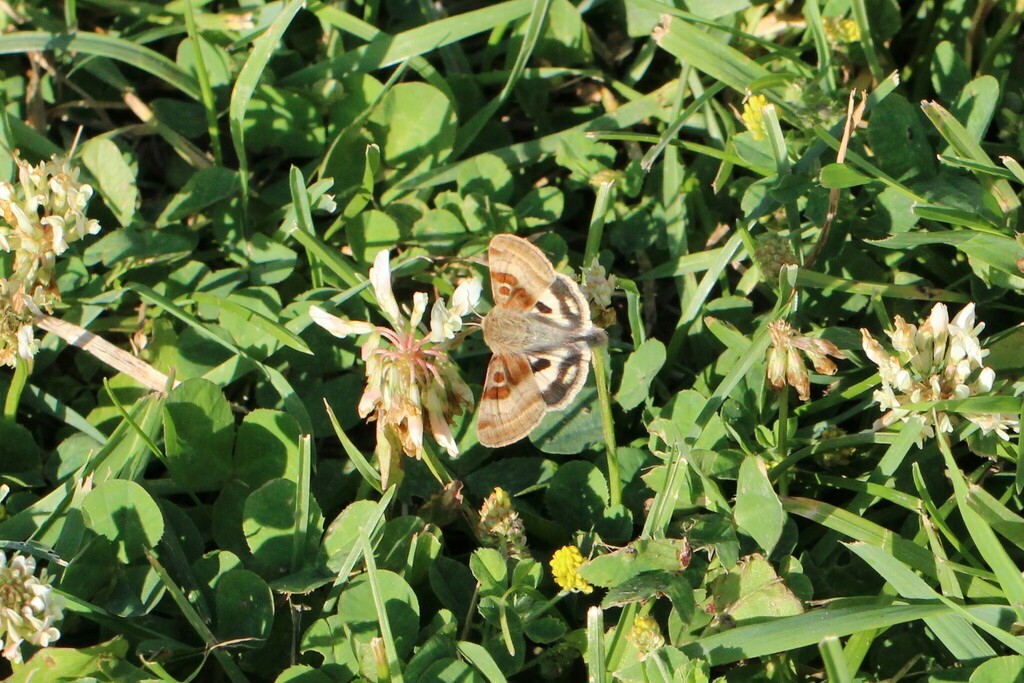
(c) jrcagle, some rights reserved (CC BY) · licence
Family: Noctuidae · Class: Insecta · Order: Lepidoptera
Heliothis oregonica is a California animal in the Noctuidae family.
Heliothis oregonica is a moth species in the family Noctuidae, commonly known as the noctuid moths or owlet moths. This species belongs to the genus Heliothis, which includes several economically important agricultural pest species, though H. oregonica appears to have a more limited distribution and host range compared to its more widespread relatives. Adult moths display the typical noctuid body plan with a robust, moderately-sized build. The forewings are generally brownish or grayish-brown with darker markings, while the hindwings are typically paler. Like other Heliothis species, adults possess well-developed compound eyes and feathery or thread-like antennae. The wingspan typically ranges from 25 to 35 millimeters (1.0 to 1.4 inches), placing it in the medium size range for noctuids. The species appears to have a western North American distribution, with Oregon likely representing a significant portion of its range based on the scientific name. However, specific distributional data for H. oregonica remains limited in the literature, and the full extent of its geographic range requires further documentation. The species may occur in additional western states, but confirmed records are needed to establish precise boundaries. Habitat preferences for H. oregonica are not well-documented in current literature, though most Heliothis species are associated with open habitats including grasslands, agricultural areas, and disturbed sites. The species likely occupies similar ecological niches to related moths, potentially favoring areas with abundant herbaceous vegetation that serves as host plants for larval development. Like other members of the genus, H. oregonica likely follows a typical noctuid life cycle with complete metamorphosis. Adults are presumed to be nocturnal, becoming active at dusk and continuing activity throughout the night. Mating and oviposition probably occur during nighttime hours, with females depositing eggs on or near suitable host plants. Larvae, commonly called caterpillars or cutworms, likely feed on various herbaceous plants, though specific host plant associations for this species have not been thoroughly documented. The number of generations per year and overwintering strategy remain unclear from available sources. Conservation status information for Heliothis oregonica is notably absent from major databases and monitoring programs. The species does not appear on federal or state listing databases, suggesting it may not currently face immediate conservation concerns, or alternatively, may lack sufficient data for status assessment. The apparent rarity of records and limited ecological information may indicate either naturally restricted distribution, declining populations, or simply insufficient survey effort in appropriate habitats. Without comprehensive population data or trend information, the conservation needs of this species cannot be adequately evaluated. Further research is needed to determine population status, habitat requirements, and potential threats to inform any necessary conservation measures.
Classification
Class: Insecta · Order: Lepidoptera · Family: Noctuidae
Frequently asked questions
How is Heliothis oregonica classified?
Heliothis oregonica belongs to class Insecta, order Lepidoptera, family Noctuidae.
What family does Heliothis oregonica belong to?
Heliothis oregonica is in the Noctuidae family.
What is Heliothis oregonica?
Heliothis oregonica is a moth species in the family Noctuidae, commonly known as the noctuid moths or owlet moths.
Is Heliothis oregonica found in California?
Yes. Heliothis oregonica is recorded in California in The California Species Project's catalogue.
Related species
Other California species in the same genus, family, or bioregion.
Data from The California Species Project — 14,000+ California species with verified data from CNPS, CDFW, USFWS, and more.