Heliothodes diminutivus
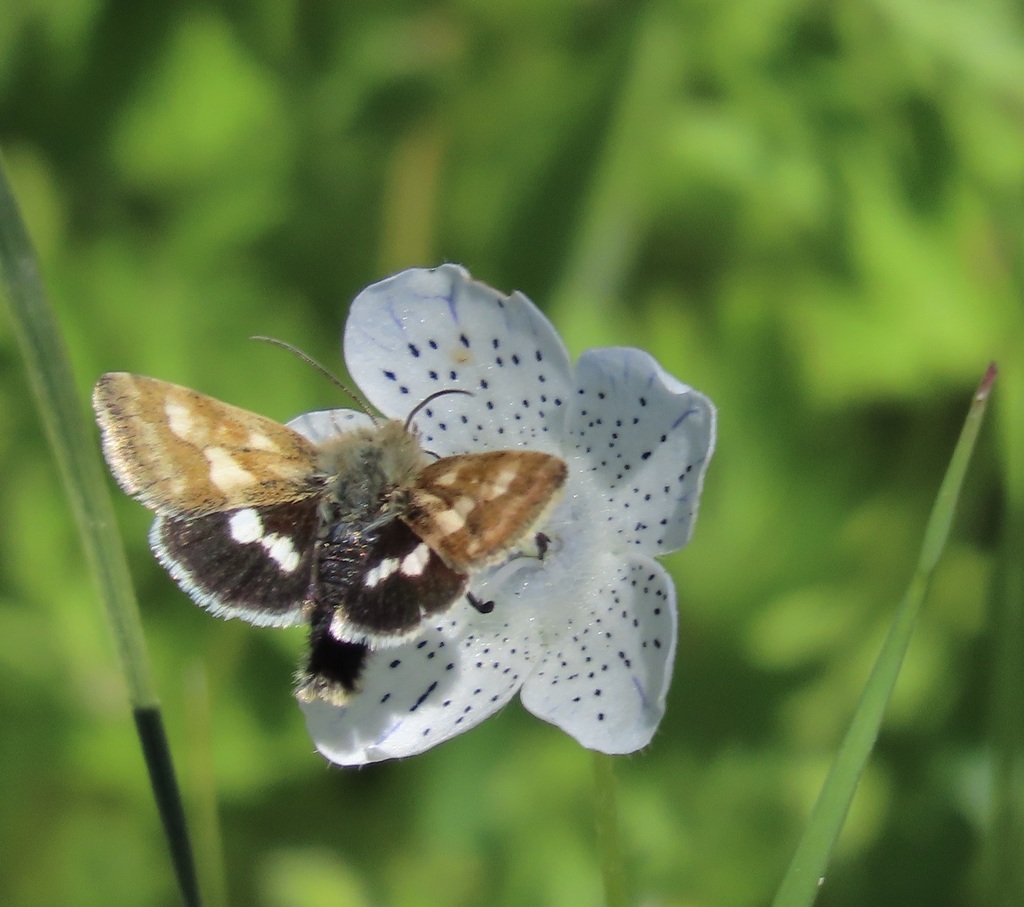
(c) John Hibbard, some rights reserved (CC BY) · licence
Family: Noctuidae · Class: Insecta · Order: Lepidoptera
Heliothodes diminutivus is a California animal in the Noctuidae family.
Heliothodes diminutivus is a small moth in the family Noctuidae, commonly known as owlet moths or cutworm moths. This species represents one of the lesser-documented members of the genus Heliothodes, which comprises several species distributed across western North America. The genus is characterized by moths with relatively small wingspans and cryptic coloration patterns that provide camouflage against natural substrates. The physical characteristics of H. diminutivus align with typical Heliothodes morphology, featuring forewings with mottled brown and gray patterns that create effective camouflage when the moth is at rest on bark or rocky surfaces. The forewings typically display subtle banding patterns and may include small dark spots or lines. The hindwings are generally paler, often whitish or light gray with minimal patterning. Wing measurements and detailed morphological descriptions for this species remain limited in published literature, reflecting the need for additional taxonomic study. The range and distribution of Heliothodes diminutivus in California requires further documentation through systematic surveys. Members of the genus Heliothodes typically inhabit arid and semi-arid regions of the western United States, suggesting this species likely occurs in similar environmental conditions. The specific counties or regions within California where H. diminutivus has been documented are not well-established in current databases, indicating potential gaps in survey coverage or taxonomic identification challenges. Habitat preferences for H. diminutivus likely follow patterns observed in related Heliothodes species, which typically inhabit areas with scattered shrubs, grasslands, and desert transition zones. These moths generally prefer areas with elevations ranging from sea level to moderate mountain elevations, depending on local climate conditions and host plant availability. Substrate preferences may include areas with exposed soil, rock outcrops, and sparse vegetation cover. Behavioral and ecological information for H. diminutivus remains limited. Most Heliothodes species are nocturnal, with adults active during evening and night hours when they seek mates and nectar sources. Flight periods typically correspond with favorable weather conditions and host plant phenology. Larval ecology and host plant associations for this species require additional research to establish feeding preferences and developmental requirements. Many noctuids have caterpillars that feed on herbaceous plants or low shrubs, often targeting leaves, stems, or sometimes roots. The conservation status of Heliothodes diminutivus has not been formally assessed by state or federal agencies. The species lacks federal or California state listing status, and no specific conservation concerns have been documented. However, the limited available information about its distribution, abundance, and ecological requirements suggests that comprehensive surveys and taxonomic studies would benefit understanding of this species' conservation needs. Like many specialized moths, H. diminutivus may face potential threats from habitat modification, climate change, and pesticide applications in agricultural or urban areas, though specific impact assessments have not been conducted.
Classification
Class: Insecta · Order: Lepidoptera · Family: Noctuidae
Frequently asked questions
How is Heliothodes diminutivus classified?
Heliothodes diminutivus belongs to class Insecta, order Lepidoptera, family Noctuidae.
What family does Heliothodes diminutivus belong to?
Heliothodes diminutivus is in the Noctuidae family.
What is Heliothodes diminutivus?
Heliothodes diminutivus is a small moth in the family Noctuidae, commonly known as owlet moths or cutworm moths.
Is Heliothodes diminutivus found in California?
Yes. Heliothodes diminutivus is recorded in California in The California Species Project's catalogue.
Related species
Other California species in the same genus, family, or bioregion.
Data from The California Species Project — 14,000+ California species with verified data from CNPS, CDFW, USFWS, and more.