Helisoma newberryi
Great Basin Rams-horn
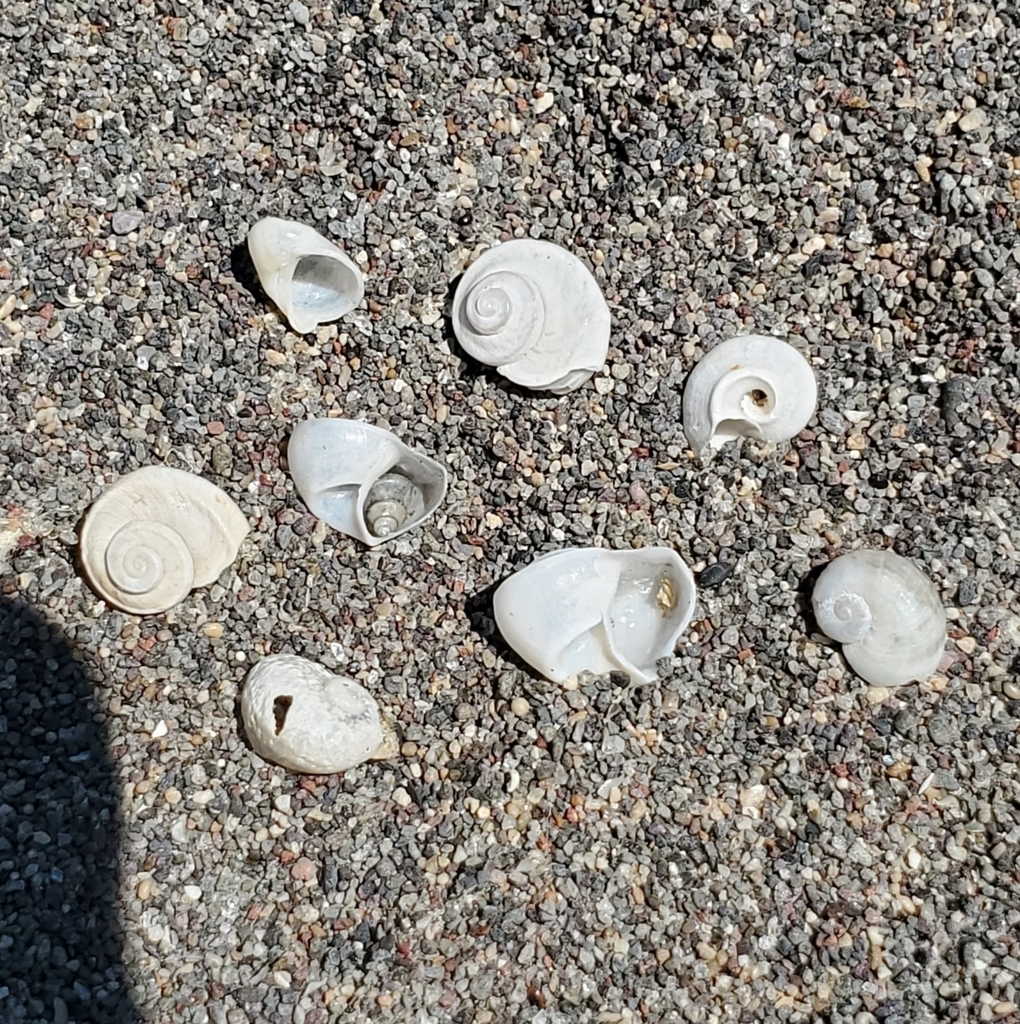
(c) Jason Hernandez, some rights reserved (CC BY) · licence
Family: Planorbidae · Class: Gastropoda · Order: Basommatophora
Conservation status: G1 S1S2
Helisoma newberryi (Great Basin Rams-horn) is a California animal in the Planorbidae family.
The Great Basin ramshorn is a small freshwater gastropod snail endemic to the western United States. This planispiral species possesses a characteristic disc-shaped shell that coils in a flat plane, typical of the family Planorbidae. The shell exhibits the distinctive ramshorn morphology with whorls that increase gradually in diameter from the central apex outward. Like other planorbids, this species lacks an operculum and breathes air through a pulmonary cavity. Helisoma newberryi occurs across six western states: Idaho, Wyoming, Utah, Nevada, Oregon, and California. According to NatureServe Explorer, the species is generally confined to lake and large spring complexes throughout its range. In California, the species occupies isolated aquatic habitats within the state's portion of the Great Basin region. The historical distribution likely encompassed a broader network of interconnected wetland systems before extensive habitat modification occurred across the region. The species inhabits permanent freshwater bodies including natural lakes, large spring-fed pools, and associated wetland complexes. These aquatic systems typically occur in desert and semi-arid environments characteristic of the Great Basin ecoregion. The snails require stable water levels and appropriate water chemistry conditions to maintain viable populations. Substrate preferences include soft sediments and submerged vegetation where the snails can graze on periphyton and organic detritus. Great Basin ramshorns are herbivorous grazers, feeding primarily on algae, bacteria, and organic matter found on submerged surfaces and sediments. Like other planorbid snails, they are hermaphroditic, possessing both male and female reproductive organs, though cross-fertilization typically occurs between individuals. Reproduction involves the deposition of gelatinous egg masses on submerged substrates. The species exhibits typical gastropod development with a planktonic veliger larval stage before settling into benthic adult habitat. The Great Basin ramshorn faces significant conservation challenges reflected in its Global Rank of G1, indicating it is critically imperiled globally. The California State Rank of S1S2 suggests the species is critically imperiled to imperiled within the state. A petition to list Helisoma newberryi as threatened or endangered under the Endangered Species Act was submitted to the U.S. Fish and Wildlife Service on March 21, 2024, citing populations in California and Oregon (ECOS). The species' restriction to isolated spring and lake systems makes it particularly vulnerable to habitat degradation, water diversions, groundwater depletion, and invasive species introductions. Climate change poses additional threats through altered precipitation patterns and increased temperatures affecting spring flow and lake levels. The fragmented nature of remaining populations limits genetic exchange and increases extinction risk for individual habitat patches. Conservation efforts require protection of existing spring complexes and restoration of hydrological connectivity where feasible.
Classification
Class: Gastropoda · Order: Basommatophora · Family: Planorbidae
Conservation status
G1 S1S2
Frequently asked questions
How is Helisoma newberryi classified?
Helisoma newberryi belongs to class Gastropoda, order Basommatophora, family Planorbidae.
What family does Helisoma newberryi belong to?
Helisoma newberryi is in the Planorbidae family.
Is Helisoma newberryi protected or of conservation concern?
Helisoma newberryi carries the following status: G1 S1S2.
What is Helisoma newberryi?
The Great Basin ramshorn is a small freshwater gastropod snail endemic to the western United States.
Is Helisoma newberryi found in California?
Yes. Helisoma newberryi is recorded in California in The California Species Project's catalogue.
More California species
This species has no close relatives in our California data — here are other species to explore.
Data from The California Species Project — 14,000+ California species with verified data from CNPS, CDFW, USFWS, and more.