Helminthoglypta allynsmithi
Merced Canyon Shoulderband
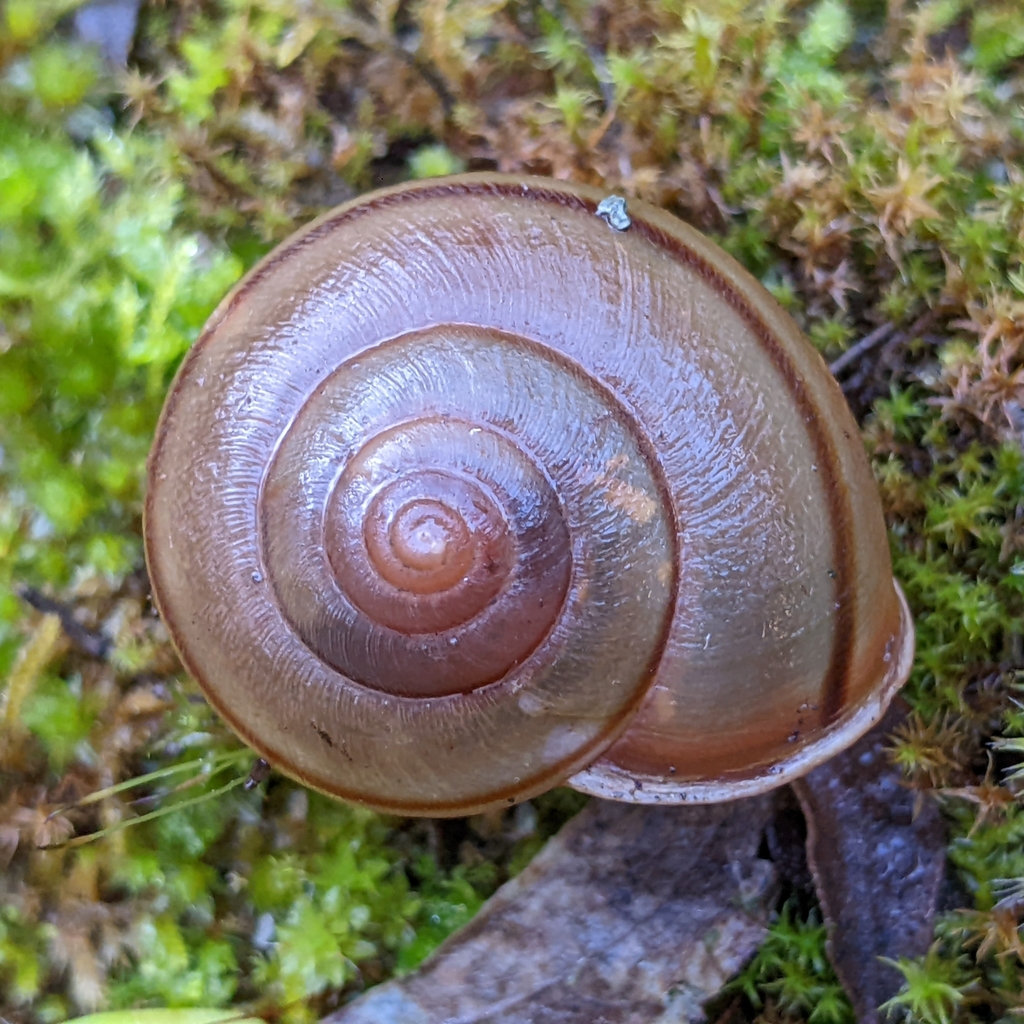
(c) Ken-ichi Ueda, some rights reserved (CC BY) · licence
Family: Helminthoglyptidae · Class: Gastropoda · Order: Stylommatophora
Conservation status: G1 S1
Helminthoglypta allynsmithi (Merced Canyon Shoulderband) is a California animal in the Helminthoglyptidae family.
The Merced Canyon shoulderband is a terrestrial gastropod endemic to California, classified within the family Helminthoglyptidae. This species represents one of California's rarest land snails, with extremely limited distribution and populations. Like other members of its genus, this shoulderband snail likely possesses a distinctive shell morphology characteristic of Helminthoglypta species, though detailed morphological descriptions remain limited in the scientific literature. The Merced Canyon shoulderband occurs exclusively in Merced County, California, where it is restricted to canyon habitats within a very limited geographic range. The species' common name reflects its association with canyon environments in the Merced region. Historical and current distribution data suggest this snail has always maintained a highly restricted range, contributing to its extreme rarity and conservation concern. Specific habitat requirements for this species have not been well documented in available scientific literature. Based on its canyon association and the ecology of related Helminthoglypta species, the Merced Canyon shoulderband likely inhabits rocky outcrops, talus slopes, or areas with suitable moisture retention and shelter within canyon systems. Many shoulderband snails require specific microhabitat conditions including appropriate calcium sources for shell development, adequate moisture, and suitable vegetation or rock crevices for estivation during dry periods. Ecological information for this species remains largely undocumented. Most Helminthoglypta species are herbivorous, feeding on fungi, lichens, and decomposing plant material. They typically exhibit seasonal activity patterns, becoming active during periods of adequate moisture and entering dormancy during drought conditions. Reproduction in shoulderband snails generally involves hermaphroditic individuals that can both donate and receive sperm, though self-fertilization may also occur. Specific breeding seasons, clutch sizes, and development rates for the Merced Canyon shoulderband have not been reported in available literature. The Merced Canyon shoulderband holds a Global and State conservation rank of G1 S1 (NatureServe 2024), indicating it is critically imperiled both globally and within California, with typically fewer than six known occurrences or very few remaining individuals (NatureServe 2024). While not currently listed under the Endangered Species Act, this ranking places it among California's most conservation-dependent invertebrate species. The species faces threats common to endemic land snails, including habitat loss, degradation of canyon environments, hydrological changes, invasive species, and climate change impacts on moisture regimes. The extremely limited range makes any population particularly vulnerable to localized disturbances or environmental changes. Detailed ecological studies and population monitoring are needed to better understand this species' habitat requirements, population status, and specific conservation needs. The critically imperiled status underscores the urgent need for habitat protection and research to prevent potential extinction of this endemic California gastropod.
Classification
Class: Gastropoda · Order: Stylommatophora · Family: Helminthoglyptidae
Conservation status
G1 S1
Frequently asked questions
How is Helminthoglypta allynsmithi classified?
Helminthoglypta allynsmithi belongs to class Gastropoda, order Stylommatophora, family Helminthoglyptidae.
What family does Helminthoglypta allynsmithi belong to?
Helminthoglypta allynsmithi is in the Helminthoglyptidae family.
Is Helminthoglypta allynsmithi protected or of conservation concern?
Helminthoglypta allynsmithi carries the following status: G1 S1.
What is Helminthoglypta allynsmithi?
The Merced Canyon shoulderband is a terrestrial gastropod endemic to California, classified within the family Helminthoglyptidae.
Is Helminthoglypta allynsmithi found in California?
Yes. Helminthoglypta allynsmithi is recorded in California in The California Species Project's catalogue.
Related species
Other California species in the same genus, family, or bioregion.
Data from The California Species Project — 14,000+ California species with verified data from CNPS, CDFW, USFWS, and more.