Helminthoglypta mohaveana
Victorville Shoulderband
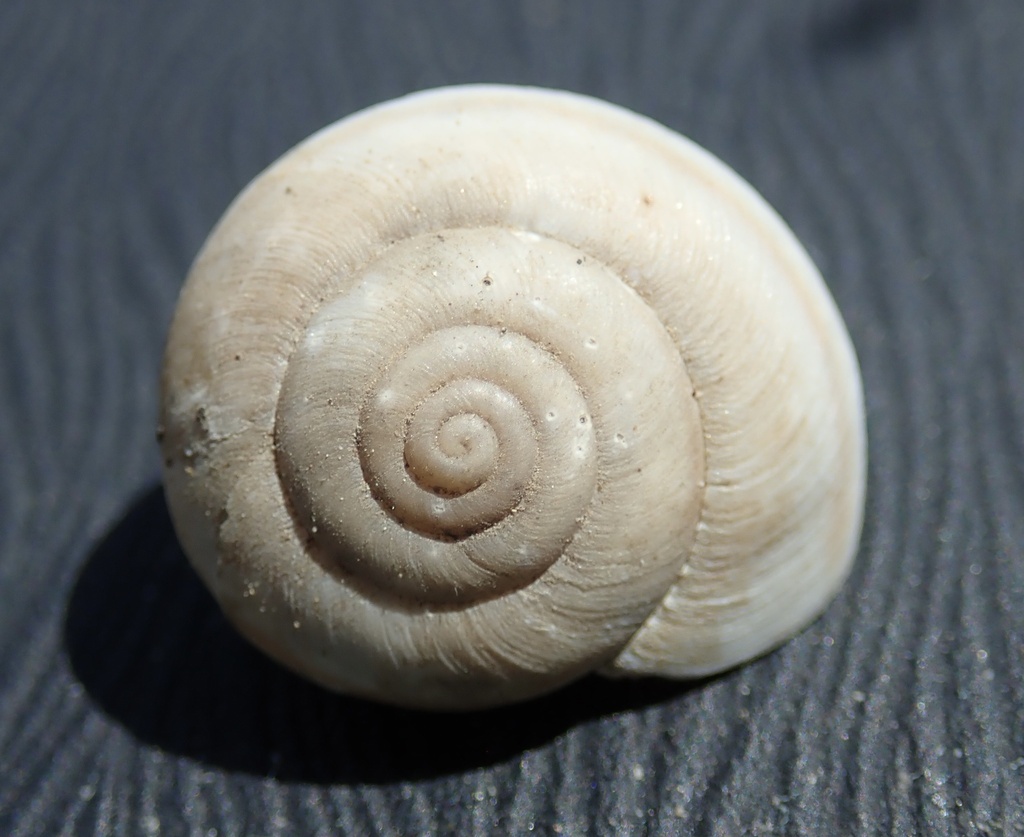
(c) Cricket Raspet, some rights reserved (CC BY) · licence
Family: Helminthoglyptidae · Class: Gastropoda · Order: Stylommatophora
Conservation status: G1 S1
Helminthoglypta mohaveana (Victorville Shoulderband) is a California animal in the Helminthoglyptidae family.
The Victorville shoulderband is a terrestrial gastropod mollusk in the family Helminthoglyptidae, endemic to California's Mojave Desert region. This land snail exhibits the characteristic spiral shell structure typical of its genus Helminthoglypta, though specific morphological details remain poorly documented in the scientific literature. Historically, the species was known from the Victorville area of San Bernardino County, California, within the broader Mojave Desert ecosystem. The species' current distribution and population status are not well documented, though its presence has been recorded at George Air Force Base near Victorville according to Department of Defense installation surveys (NatureServe 2004). The extremely limited range contributes to its critical conservation status. The Victorville shoulderband inhabits desert scrub and associated terrestrial environments characteristic of the Mojave Desert. Like other members of the genus Helminthoglypta, this species likely requires specific microhabitat conditions including appropriate moisture levels, soil chemistry, and vegetation cover. Desert-dwelling shoulderband snails typically shelter under rocks, in soil crevices, or among desert vegetation during extreme temperatures and dry conditions. The species' habitat requirements in relation to elevation range, substrate preferences, and plant associations have not been thoroughly studied. Ecological information for this species remains limited. As with other terrestrial gastropods, the Victorville shoulderband likely feeds on decaying plant material, fungi, and organic matter in the soil. Reproduction probably follows typical gastropod patterns, with individuals being hermaphroditic and capable of both self-fertilization and cross-fertilization. Activity patterns are presumably linked to moisture availability, with increased movement and feeding during cooler, more humid periods. Specific data on breeding seasons, egg-laying behavior, and population dynamics are not available in current literature. The Victorville shoulderband carries a Global/State conservation rank of G1 S1, indicating it is critically imperiled both globally and within California, typically representing five or fewer known occurrences or very few remaining individuals. While not currently listed under the federal Endangered Species Act, this ranking places it among California's most vulnerable species. The primary threats to this species likely include habitat destruction from urban development, military activities, off-road vehicle use, and other ground-disturbing activities in the Mojave Desert region. Climate change may pose additional challenges through altered precipitation patterns and increased temperatures in desert environments. The species' association with George Air Force Base, which closed in 1992, raises questions about current habitat protection and accessibility for research. Limited scientific study of this species represents a significant knowledge gap, hampering effective conservation planning. Enhanced survey efforts, habitat assessment, and basic biological research are needed to develop appropriate management strategies for this critically imperiled gastropod. This species is included on the California Department of Fish and Wildlife's Special Animals List. The Victorville shoulderband represents one of many endemic Mojave Desert species facing conservation challenges from increasing human development pressures in southern California's desert regions.
Classification
Class: Gastropoda · Order: Stylommatophora · Family: Helminthoglyptidae
Conservation status
G1 S1
Frequently asked questions
How is Helminthoglypta mohaveana classified?
Helminthoglypta mohaveana belongs to class Gastropoda, order Stylommatophora, family Helminthoglyptidae.
What family does Helminthoglypta mohaveana belong to?
Helminthoglypta mohaveana is in the Helminthoglyptidae family.
Is Helminthoglypta mohaveana protected or of conservation concern?
Helminthoglypta mohaveana carries the following status: G1 S1.
What is Helminthoglypta mohaveana?
The Victorville shoulderband is a terrestrial gastropod mollusk in the family Helminthoglyptidae, endemic to California's Mojave Desert region.
Is Helminthoglypta mohaveana found in California?
Yes. Helminthoglypta mohaveana is recorded in California in The California Species Project's catalogue.
Related species
Other California species in the same genus, family, or bioregion.
Data from The California Species Project — 14,000+ California species with verified data from CNPS, CDFW, USFWS, and more.