Helminthoglypta stiversiana williamsi
Williams' Bronze Shoulderband
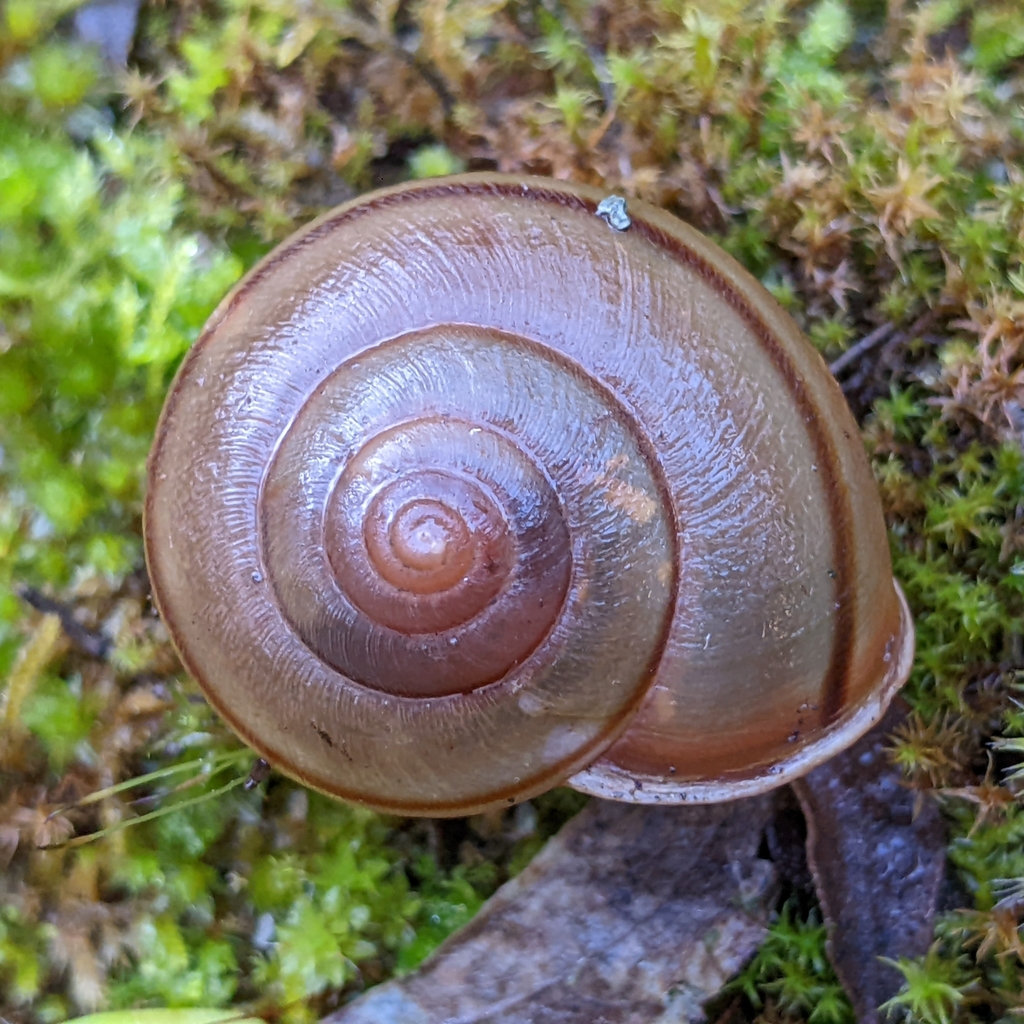
(c) Ken-ichi Ueda, some rights reserved (CC BY) · licence
Family: Helminthoglyptidae · Class: Gastropoda · Order: Stylommatophora
Conservation status: G1G2T1 S1
Helminthoglypta stiversiana williamsi (Williams' Bronze Shoulderband) is a California animal in the Helminthoglyptidae family.
Williams' Bronze Shoulderband (Helminthoglypta stiversiana williamsi) is a subspecies of terrestrial gastropod mollusk in the family Helminthoglyptidae. This land snail is endemic to California and represents one of the most imperiled subspecies within the genus Helminthoglypta. The subspecies is distinguished from the nominate form by specific shell characteristics and geographic distribution, though detailed morphological descriptions in published literature remain limited. Williams' Bronze Shoulderband has an extremely restricted range within California. According to NatureServe, this subspecies occupies a very limited geographic area, contributing to its precarious conservation status. The specific localities and counties where this subspecies occurs have not been comprehensively documented in accessible scientific literature, highlighting the need for additional field surveys and taxonomic research. Habitat requirements for Williams' Bronze Shoulderband are poorly documented in the scientific literature. Like other members of the genus Helminthoglypta, this subspecies likely inhabits areas with appropriate moisture levels, shelter sites, and calcium sources necessary for shell development. Many Helminthoglypta species are associated with rocky outcrops, chaparral, or woodland environments that provide the microhabitat conditions required for terrestrial snail survival. The specific vegetation associations, elevation range, and microhabitat preferences for this subspecies remain to be thoroughly studied and documented. Ecological information about Williams' Bronze Shoulderband is extremely limited. Terrestrial snails in the genus Helminthoglypta are typically hermaphroditic and engage in complex mating behaviors. They generally feed on decaying plant material, fungi, and organic matter in the soil. Activity patterns are usually correlated with moisture availability, with increased activity during cooler, humid periods and reduced activity during hot, dry conditions. Reproductive timing, clutch sizes, and specific dietary preferences for this subspecies have not been well documented in the scientific literature. Williams' Bronze Shoulderband faces significant conservation challenges due to its extremely limited distribution and small population size. NatureServe assigned this subspecies a global rank of G1G2T1, indicating it is critically imperiled with a high risk of extinction (NatureServe 2005). The subspecies also holds a state rank of S1 in California, reflecting its critically imperiled status within the state. Primary threats likely include habitat loss, fragmentation, and degradation from human activities, though specific threat assessments have not been published. Climate change may pose additional risks through altered precipitation patterns and temperature regimes that affect the moisture-dependent habitat conditions required by terrestrial snails. The conservation status of Williams' Bronze Shoulderband underscores the vulnerability of California's endemic gastropod fauna. Despite its precarious status, this subspecies does not appear to receive federal protection under the Endangered Species Act as of December 2025. The limited scientific documentation available for this subspecies highlights the need for comprehensive surveys, taxonomic studies, and habitat assessments to inform conservation planning and management decisions.
Classification
Class: Gastropoda · Order: Stylommatophora · Family: Helminthoglyptidae
Conservation status
G1G2T1 S1
Frequently asked questions
How is Helminthoglypta stiversiana williamsi classified?
Helminthoglypta stiversiana williamsi belongs to class Gastropoda, order Stylommatophora, family Helminthoglyptidae.
What family does Helminthoglypta stiversiana williamsi belong to?
Helminthoglypta stiversiana williamsi is in the Helminthoglyptidae family.
Is Helminthoglypta stiversiana williamsi protected or of conservation concern?
Helminthoglypta stiversiana williamsi carries the following status: G1G2T1 S1.
What is Helminthoglypta stiversiana williamsi?
Williams' Bronze Shoulderband (Helminthoglypta stiversiana williamsi) is a subspecies of terrestrial gastropod mollusk in the family Helminthoglyptidae.
Is Helminthoglypta stiversiana williamsi found in California?
Yes. Helminthoglypta stiversiana williamsi is recorded in California in The California Species Project's catalogue.
Related species
Other California species in the same genus, family, or bioregion.
Data from The California Species Project — 14,000+ California species with verified data from CNPS, CDFW, USFWS, and more.