Helminthoglypta taylori
Westfork Shoulderband
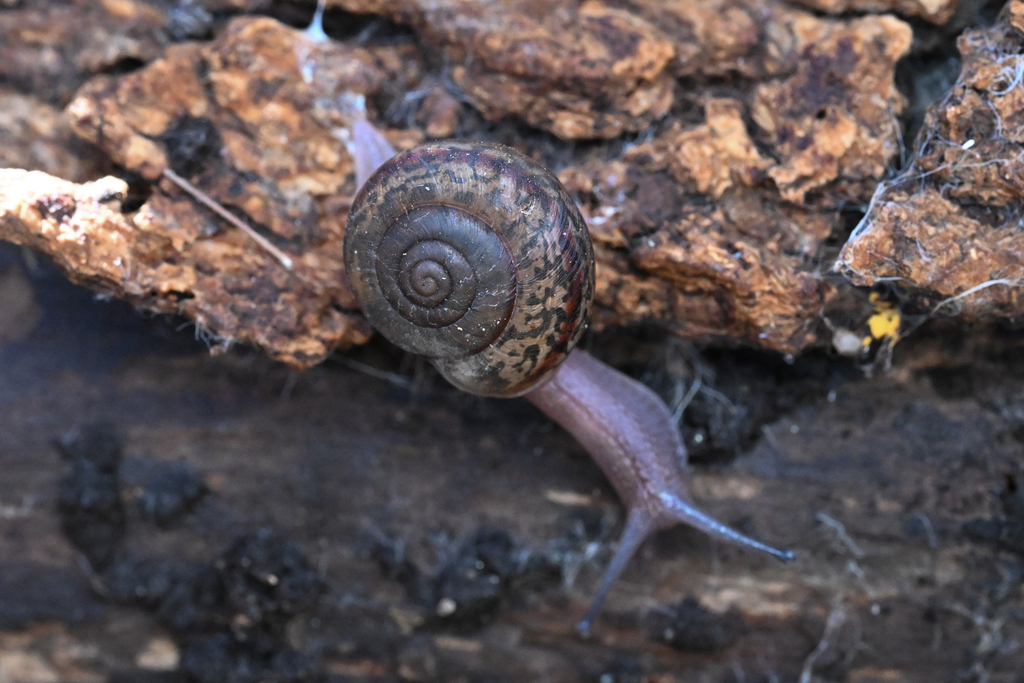
(c) Trevor Van Loon, some rights reserved (CC BY) · licence
Family: Helminthoglyptidae · Class: Gastropoda · Order: Stylommatophora
Conservation status: G1 S1
Helminthoglypta taylori (Westfork Shoulderband) is a California animal in the Helminthoglyptidae family.
The Westfork Shoulderband (Helminthoglypta taylori) is a terrestrial gastropod mollusk endemic to California. This species belongs to the family Helminthoglyptidae, a group of land snails characterized by their distinctive spiral shells and preference for Mediterranean climates. Specific morphological details for H. taylori, including shell dimensions, coloration patterns, and diagnostic features that distinguish it from related shoulderband species, have not been well documented in the scientific literature. The Westfork Shoulderband is endemic to California, though its precise distribution within the state remains poorly characterized. The species' common name suggests an association with western fork drainages, likely in the coastal or interior mountain ranges. Given its Global and State conservation ranking of G1 S1, indicating it is critically imperiled both globally and within California, the species likely has an extremely restricted range encompassing fewer than five occurrences or very few remaining individuals. Habitat requirements for H. taylori have not been thoroughly studied, but like other members of the genus Helminthoglypta, it likely inhabits areas with Mediterranean climate characteristics including dry summers and wet winters. Shoulderband snails typically require specific microhabitat conditions including adequate moisture during active periods, appropriate leaf litter or soil chemistry for calcium carbonate shell formation, and vegetation that provides both food resources and shelter. The species may be associated with chaparral, oak woodland, or mixed evergreen forest communities, though specific vegetation associations have not been documented. The reproductive biology, feeding ecology, and seasonal activity patterns of the Westfork Shoulderband remain largely unknown. Most Helminthoglypta species are hermaphroditic and engage in cross-fertilization, with individuals laying eggs in protected locations during favorable moisture conditions. These snails are typically most active during cooler, wetter periods and may estivate during hot, dry summer months. Diet likely consists of decomposing plant material, fungi, and possibly living vegetation, though specific food preferences for H. taylori have not been recorded. The Westfork Shoulderband is considered critically imperiled with a conservation status of G1 S1, indicating extreme rarity and high risk of extinction. The species does not appear on current federal or state endangered species lists, though its precarious conservation status suggests it may warrant protection consideration. Primary threats likely include habitat loss and fragmentation from urban development, altered fire regimes, invasive plant species, and climate change impacts on the Mediterranean climate systems upon which it depends. The restricted range typical of G1 species makes populations extremely vulnerable to localized disturbances or environmental changes. Scientific documentation for this species remains extremely limited. Comprehensive surveys to determine current distribution, population status, and ecological requirements are needed to develop appropriate conservation strategies. The information presented here synthesizes available taxonomic and conservation status data. Research priorities should include systematic surveys of potential habitat, detailed morphological and genetic studies to clarify taxonomic relationships with other Helminthoglypta species, and assessment of current threats to remaining populations.
Classification
Class: Gastropoda · Order: Stylommatophora · Family: Helminthoglyptidae
Conservation status
G1 S1
Frequently asked questions
How is Helminthoglypta taylori classified?
Helminthoglypta taylori belongs to class Gastropoda, order Stylommatophora, family Helminthoglyptidae.
What family does Helminthoglypta taylori belong to?
Helminthoglypta taylori is in the Helminthoglyptidae family.
Is Helminthoglypta taylori protected or of conservation concern?
Helminthoglypta taylori carries the following status: G1 S1.
What is Helminthoglypta taylori?
The Westfork Shoulderband (Helminthoglypta taylori) is a terrestrial gastropod mollusk endemic to California.
Is Helminthoglypta taylori found in California?
Yes. Helminthoglypta taylori is recorded in California in The California Species Project's catalogue.
Related species
Other California species in the same genus, family, or bioregion.
Data from The California Species Project — 14,000+ California species with verified data from CNPS, CDFW, USFWS, and more.