Helminthoglypta uvasana
Grapevine Shoulderband
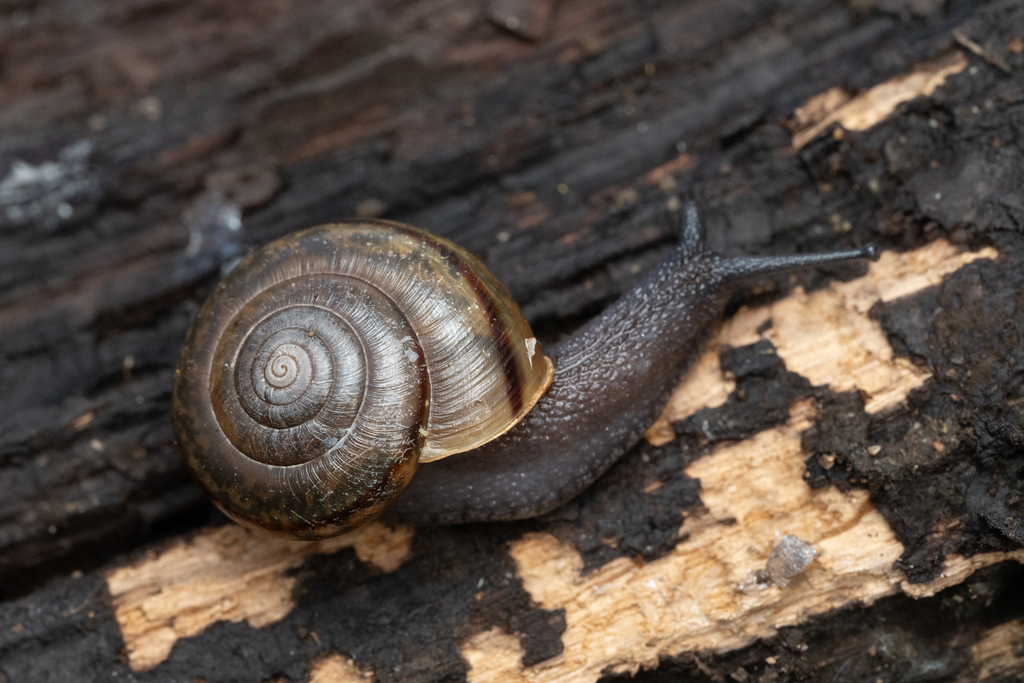
(c) Trevor Van Loon, some rights reserved (CC BY) · licence
Family: Helminthoglyptidae · Class: Gastropoda · Order: Stylommatophora
Conservation status: G1 S1
Helminthoglypta uvasana (Grapevine Shoulderband) is a California animal in the Helminthoglyptidae family.
The Grapevine Shoulderband is a terrestrial gastropod endemic to California. This land snail belongs to the family Helminthoglyptidae, a group of air-breathing pulmonate gastropods native to western North America. Physical descriptions of this species are limited in available scientific literature, though like other members of its genus, it likely possesses the characteristic shoulderband shell pattern and helical coiling typical of Helminthoglypta species. The species occurs in Kern and Los Angeles Counties, California (NatureServe 2024). Historical records and current distribution data indicate a restricted range within these two counties, though specific locality information remains limited in published sources. The species' range appears to be associated with particular geographic features or habitat types that have constrained its distribution to this relatively small area of southern California. Habitat requirements for Helminthoglypta uvasana have not been thoroughly documented in available scientific literature. Based on the distribution in Kern and Los Angeles Counties and the ecology of related Helminthoglypta species, the Grapevine Shoulderband likely inhabits areas with appropriate soil conditions, vegetation cover, and moisture regimes necessary for terrestrial gastropod survival. Many shoulderband snails require specific microhabitat conditions including adequate leaf litter, soil chemistry, and seasonal moisture patterns. Ecological information regarding diet, reproduction, and seasonal activity patterns for this species is not well documented in accessible scientific sources. Like other terrestrial gastropods, H. uvasana presumably feeds on decomposing plant material, fungi, and organic matter in the soil and leaf litter. Reproductive biology, including timing of egg-laying, clutch size, and development periods, has not been specifically studied for this species. Seasonal activity patterns and responses to environmental conditions such as temperature and precipitation remain undocumented. The conservation status of Helminthoglypta uvasana reflects significant concern for its long-term persistence. The species carries a Global Rank of G1 and State Rank of S1, indicating it is critically imperiled both globally and within California. These rankings suggest the species faces a very high risk of extinction due to extreme rarity, very steep declines, or other factors. The restricted range in only two California counties likely contributes to its vulnerable status. Specific population estimates, trend data, and identified threats have not been well documented in available sources. The species does not currently appear on federal or state endangered species lists, though its G1/S1 ranking indicates it warrants conservation attention. Detailed ecological studies of this species are lacking. The above information synthesizes available data from NatureServe and taxonomic databases. Scientific documentation regarding specific habitat requirements, population status, and threats remains limited. Enhanced field surveys and ecological research would improve understanding of this rare California endemic's conservation needs and inform potential management strategies.
Classification
Class: Gastropoda · Order: Stylommatophora · Family: Helminthoglyptidae
Conservation status
G1 S1
Frequently asked questions
How is Helminthoglypta uvasana classified?
Helminthoglypta uvasana belongs to class Gastropoda, order Stylommatophora, family Helminthoglyptidae.
What family does Helminthoglypta uvasana belong to?
Helminthoglypta uvasana is in the Helminthoglyptidae family.
Is Helminthoglypta uvasana protected or of conservation concern?
Helminthoglypta uvasana carries the following status: G1 S1.
What is Helminthoglypta uvasana?
The Grapevine Shoulderband is a terrestrial gastropod endemic to California.
Is Helminthoglypta uvasana found in California?
Yes. Helminthoglypta uvasana is recorded in California in The California Species Project's catalogue.
Related species
Other California species in the same genus, family, or bioregion.
Data from The California Species Project — 14,000+ California species with verified data from CNPS, CDFW, USFWS, and more.