Helminthoglypta vasquezi
Vasquez Shoulderband
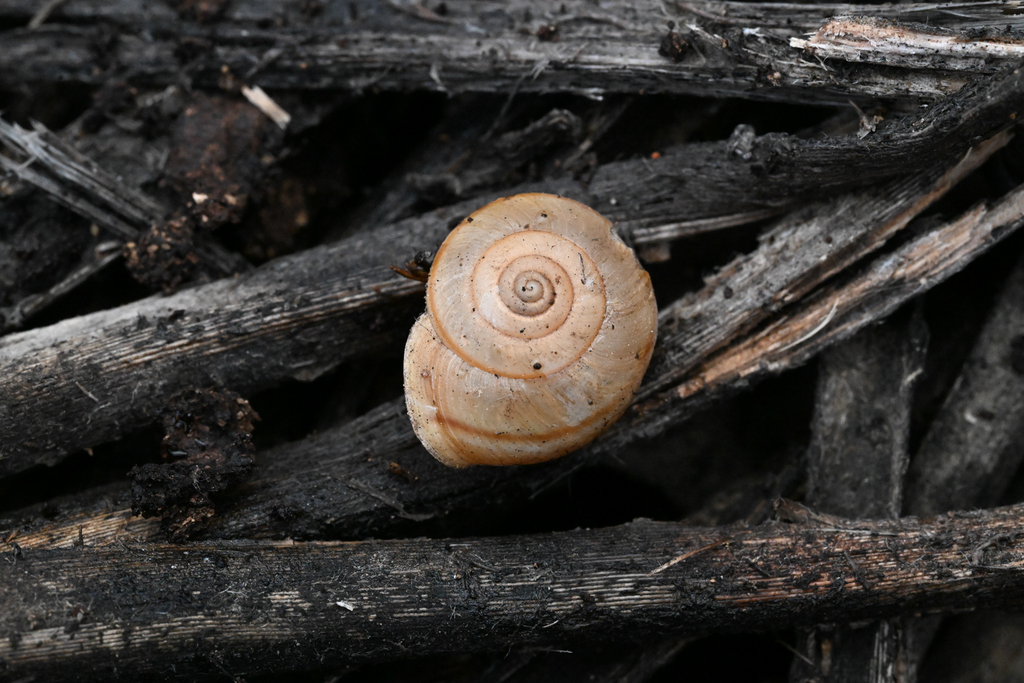
(c) Trevor Van Loon, some rights reserved (CC BY) · licence
Family: Helminthoglyptidae · Class: Gastropoda · Order: Stylommatophora
Conservation status: G1 S1
Helminthoglypta vasquezi (Vasquez Shoulderband) is a California animal in the Helminthoglyptidae family.
The Vasquez shoulderband (Helminthoglypta vasquezi) is a terrestrial gastropod mollusk endemic to California. This species belongs to the family Helminthoglyptidae, a group of land snails commonly known as shoulderband snails. The shell displays characteristic banding patterns typical of the genus, though specific morphological details for this species remain poorly documented in the scientific literature. H. vasquezi has an extremely restricted range within California, contributing to its Global/State ranking of G1 S1, indicating it is critically imperiled both globally and within the state. The species' distribution appears to be limited to a very small geographic area, though precise locality information is not well documented in accessible scientific sources. This restricted range makes the species particularly vulnerable to environmental changes and habitat disturbance. Habitat requirements for the Vasquez shoulderband have not been thoroughly studied or documented. Like other members of the genus Helminthoglypta, the species likely inhabits specific microenvironments that provide appropriate moisture, shelter, and food sources. California shoulderband snails typically occupy areas with suitable vegetation cover and soil conditions that support their terrestrial lifestyle. Ecological information for H. vasquezi is extremely limited. As with other land snails in the family Helminthoglyptidae, the species is likely herbivorous, feeding on decaying plant matter, fungi, and possibly living vegetation. Reproductive biology, seasonal activity patterns, and specific dietary preferences have not been documented in the available literature. The species presumably follows the general gastropod life cycle with egg-laying and direct development, but specific reproductive timing and requirements remain unknown. The conservation status of Helminthoglypta vasquezi reflects significant concern for the species' long-term survival. The G1 S1 ranking indicates the species faces a high risk of extinction due to extreme rarity, with very few populations or individuals remaining. While the species does not appear on current federal endangered species lists as of December 2025, its critically imperiled status suggests it may warrant consideration for protection under state or federal conservation programs. Primary threats likely include habitat loss, fragmentation, and degradation within its limited range, though specific threat assessments have not been published. The lack of detailed biological and ecological information for this species represents a significant knowledge gap that hampers effective conservation planning. Research priorities should include population surveys, habitat characterization, and basic life history studies to inform conservation strategies. Given the species' apparent rarity and restricted distribution, immediate action may be necessary to prevent extinction. Scientific documentation for this species remains extremely limited despite thorough review of available sources. The information presented here synthesizes available data from taxonomic databases and conservation status assessments. Additional field research and systematic surveys are critically needed to develop comprehensive species accounts and effective conservation measures for the Vasquez shoulderband.
Classification
Class: Gastropoda · Order: Stylommatophora · Family: Helminthoglyptidae
Conservation status
G1 S1
Frequently asked questions
How is Helminthoglypta vasquezi classified?
Helminthoglypta vasquezi belongs to class Gastropoda, order Stylommatophora, family Helminthoglyptidae.
What family does Helminthoglypta vasquezi belong to?
Helminthoglypta vasquezi is in the Helminthoglyptidae family.
Is Helminthoglypta vasquezi protected or of conservation concern?
Helminthoglypta vasquezi carries the following status: G1 S1.
What is Helminthoglypta vasquezi?
The Vasquez shoulderband (Helminthoglypta vasquezi) is a terrestrial gastropod mollusk endemic to California.
Is Helminthoglypta vasquezi found in California?
Yes. Helminthoglypta vasquezi is recorded in California in The California Species Project's catalogue.
Related species
Other California species in the same genus, family, or bioregion.
Data from The California Species Project — 14,000+ California species with verified data from CNPS, CDFW, USFWS, and more.