Helminthoglypta walkeriana
Morro shoulderband
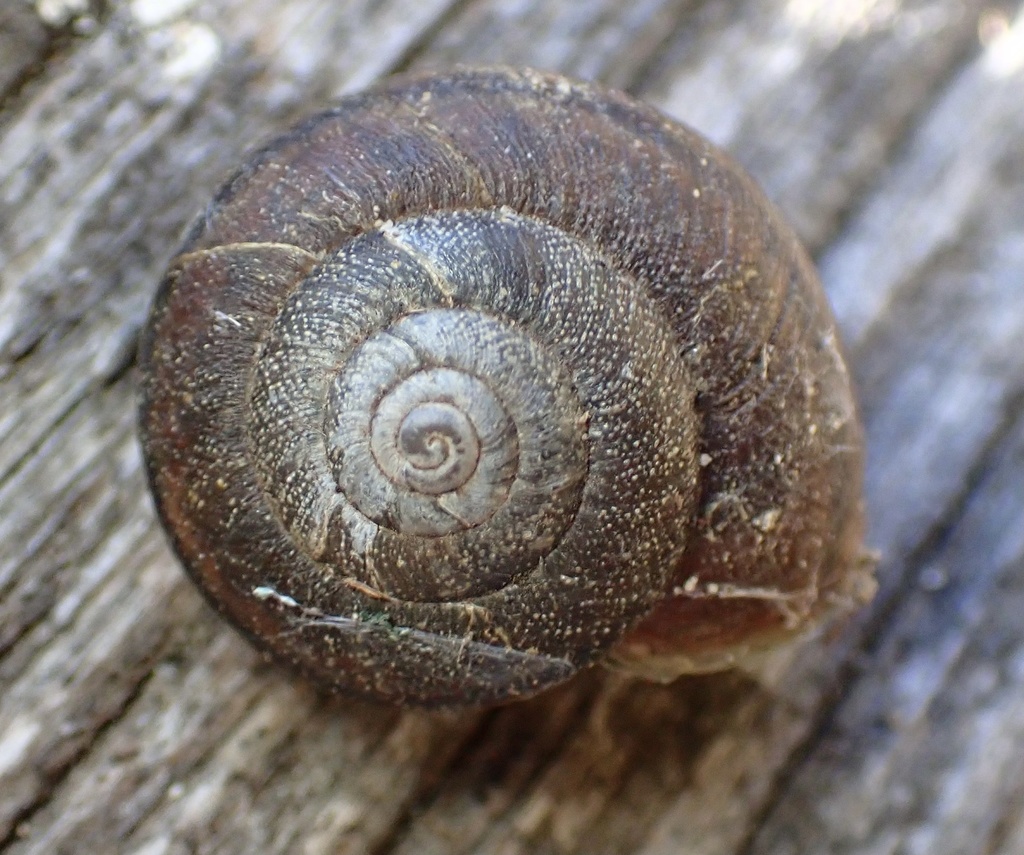
(c) Cricket Raspet, some rights reserved (CC BY) · licence
Family: Helminthoglyptidae · Class: Gastropoda · Order: Stylommatophora
Conservation status: Threatened · G2 S2
Helminthoglypta walkeriana (Morro shoulderband) is a California animal in the Helminthoglyptidae family.
The Morro shoulderband is a terrestrial gastropod mollusk endemic to the coastal dunes of San Luis Obispo County, California. This banded dune snail belongs to the genus Helminthoglypta and is distinguished by the characteristic dark spiral band on the shoulder of its shell, from which it derives its common name. Adult shells typically measure 15-20 mm in diameter and display a brown to tan coloration with the distinctive darker banding pattern. Historically, the Morro shoulderband occurred throughout the coastal dune systems from Morro Bay south to Pismo Beach in San Luis Obispo County. The species' current range has been significantly reduced and fragmented, with populations now restricted to small, isolated patches of suitable habitat. The largest remaining populations are found in the Morro Bay area, including portions of Montaña de Oro State Park and nearby private lands. The species inhabits coastal dune scrub communities, particularly areas dominated by native shrubs such as coyote brush, mock heather, and bush lupine. Morro shoulderband snails are typically found in leaf litter and on the shady undersides of lower branches of native dune vegetation (USFWS). They require areas with adequate moisture retention and organic matter accumulation, often seeking shelter under shrubs, debris piles, and woody debris during dry conditions. The snails show a preference for microhabitats that provide protection from desiccation and temperature extremes. Morro shoulderband snails are primarily active during cooler, moist conditions, particularly at night and during foggy weather when humidity levels are elevated. Like other terrestrial gastropods, they are herbivorous, feeding on decomposing plant material, fungi, and algae found in the leaf litter. Reproduction involves the deposition of eggs in moist soil or organic matter, with juveniles developing directly without a larval stage. The species exhibits seasonal activity patterns, with peak activity occurring during the wetter winter and spring months. The U.S. Fish and Wildlife Service originally listed the Morro shoulderband as endangered in 1994 due to severe habitat loss and population decline. Following conservation efforts and habitat protection measures, the species was downlisted from endangered to threatened status on March 7, 2022, as noted by the California Department of Fish and Wildlife. Despite this improvement, the species remains vulnerable to ongoing threats including habitat destruction from urban development, recreational activities, non-native plant invasions, and climate change impacts. Primary conservation strategies focus on habitat protection, restoration of degraded dune systems, and management of human disturbances within occupied areas. The species' limited range and specialized habitat requirements make it particularly susceptible to environmental changes and continue to warrant federal protection under the Endangered Species Act.
Classification
Class: Gastropoda · Order: Stylommatophora · Family: Helminthoglyptidae
Conservation status
Threatened · G2 S2
Frequently asked questions
How is Helminthoglypta walkeriana classified?
Helminthoglypta walkeriana belongs to class Gastropoda, order Stylommatophora, family Helminthoglyptidae.
What family does Helminthoglypta walkeriana belong to?
Helminthoglypta walkeriana is in the Helminthoglyptidae family.
Is Helminthoglypta walkeriana protected or of conservation concern?
Helminthoglypta walkeriana carries the following status: Threatened · G2 S2.
What is Helminthoglypta walkeriana?
The Morro shoulderband is a terrestrial gastropod mollusk endemic to the coastal dunes of San Luis Obispo County, California.
Is Helminthoglypta walkeriana found in California?
Yes. Helminthoglypta walkeriana is recorded in California in The California Species Project's catalogue.
Related species
Other California species in the same genus, family, or bioregion.
Data from The California Species Project — 14,000+ California species with verified data from CNPS, CDFW, USFWS, and more.