Hemeroplanis historialis
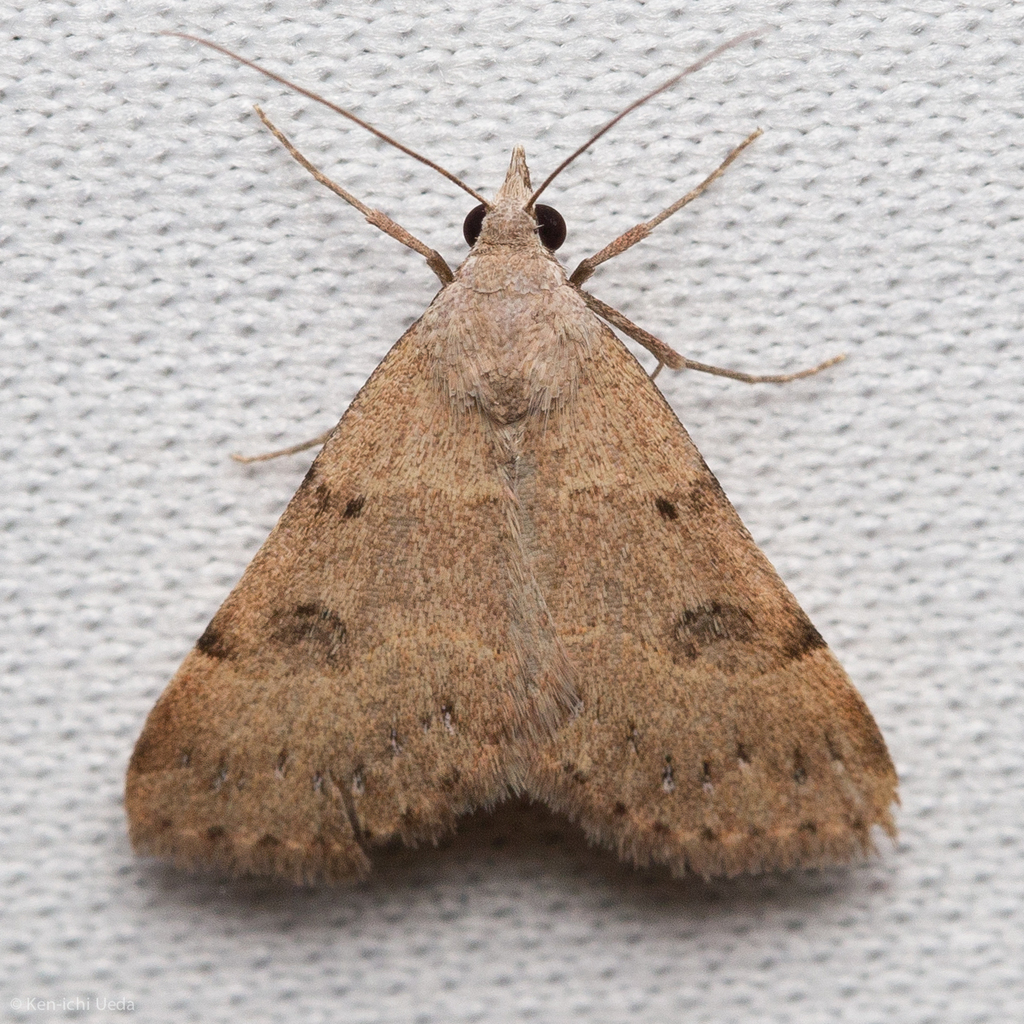
(c) Ken-ichi Ueda, some rights reserved (CC BY) · licence
Family: Erebidae · Class: Insecta · Order: Lepidoptera
Hemeroplanis historialis is a California animal in the Erebidae family.
Hemeroplanis historialis is a moth species in the family Erebidae, subfamily Herminiinae. This nocturnal lepidopteran exhibits the typical characteristics of its taxonomic group, with forewings that display cryptic coloration patterns adapted for camouflage during daylight hours when the species rests on bark or vegetation. The moth's wingspan measurements and specific morphological features require further documentation, as detailed physical descriptions are not readily available in current taxonomic literature. The geographic distribution of H. historialis appears to be restricted, though comprehensive range data remains incomplete in accessible databases. Current records suggest the species occurs within specific regions of North America, but precise locality data and the extent of its historical versus current range require additional field surveys and taxonomic verification. The species' presence in California, if confirmed, would represent part of a broader western North American distribution pattern typical of many erebid moths. Habitat preferences for H. historialis likely follow patterns observed in related erebid species, which typically inhabit areas with diverse vegetation communities that support their larval host plants. Many species in this family utilize understory shrubs and herbaceous plants, with adults requiring nectar sources for feeding. Elevation ranges and specific microhabitat requirements remain undocumented, limiting conservation assessment capabilities. The life cycle of H. historialis presumably follows the standard lepidopteran pattern of complete metamorphosis, with eggs, larval stages, pupation, and adult emergence. Adult flight periods, mating behaviors, and larval feeding preferences are not well-documented in current literature. The species likely exhibits nocturnal activity patterns characteristic of erebid moths, with adults attracted to artificial light sources during evening hours. Seasonal emergence timing and the number of generations per year require field observation and documentation. The conservation status of H. historialis remains uncertain due to limited distributional data and insufficient population monitoring. The species lacks federal or state listing protection, which may reflect either stable population status or inadequate survey effort rather than confirmed security. Many erebid moth species face threats from habitat fragmentation, light pollution that disrupts nocturnal behavior patterns, pesticide applications that affect both adults and larvae, and climate change impacts on host plant communities. Urban development and agricultural intensification can eliminate native plant communities essential for completing the species' life cycle. Taxonomic verification of H. historialis requires updated systematic review, as many erebid species have undergone recent nomenclatural changes and phylogenetic reassessment. Historical records may contain misidentifications or synonymized names that complicate current distribution mapping. Conservation prioritization depends on establishing accurate species boundaries, confirmed locality records, and population trend data through standardized monitoring protocols. Moth surveys using light traps and pheromone lures could provide essential baseline data for future conservation planning efforts.
Classification
Class: Insecta · Order: Lepidoptera · Family: Erebidae
Frequently asked questions
How is Hemeroplanis historialis classified?
Hemeroplanis historialis belongs to class Insecta, order Lepidoptera, family Erebidae.
What family does Hemeroplanis historialis belong to?
Hemeroplanis historialis is in the Erebidae family.
What is Hemeroplanis historialis?
Hemeroplanis historialis is a moth species in the family Erebidae, subfamily Herminiinae.
Is Hemeroplanis historialis found in California?
Yes. Hemeroplanis historialis is recorded in California in The California Species Project's catalogue.
Related species
Other California species in the same genus, family, or bioregion.
Data from The California Species Project — 14,000+ California species with verified data from CNPS, CDFW, USFWS, and more.