Hemieuxoa rudens
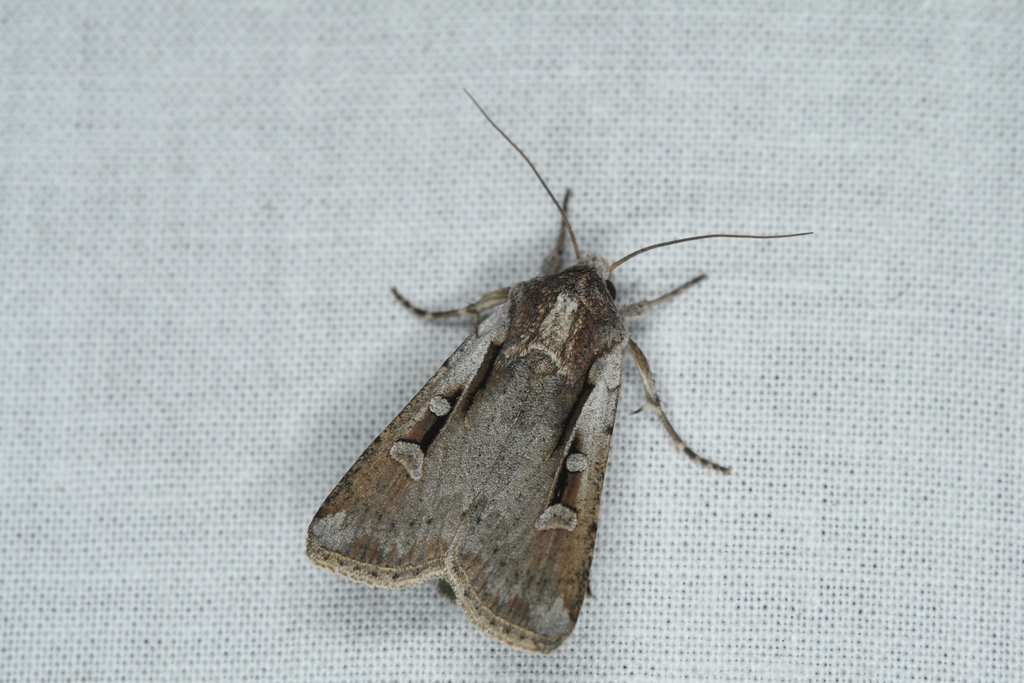
(c) Hawk T., some rights reserved (CC BY) · licence
Family: Noctuidae · Class: Insecta · Order: Lepidoptera
Hemieuxoa rudens is a California animal in the Noctuidae family.
Hemieuxoa rudens is a moth species in the family Noctuidae, commonly known as owlet moths or cutworm moths. This species belongs to a diverse family containing over 11,000 described species worldwide. Information about the physical characteristics of H. rudens is extremely limited in scientific literature, reflecting the generally understudied nature of many noctuid species in North America. The geographic range and distribution of Hemieuxoa rudens remains poorly documented in available databases and taxonomic resources. Without verified occurrence records or collection data, the historical and current distribution of this species cannot be accurately determined. This data gap is common among lesser-known lepidopteran species, particularly those that may have restricted ranges or occur in remote locations. Habitat requirements and ecological preferences for H. rudens are not well-established in current scientific literature. Most noctuidae species are associated with specific plant communities and elevation ranges, but these details have not been documented for this particular species. The lack of habitat information presents challenges for potential conservation planning and field surveys. Behavioral and ecological characteristics of Hemieuxoa rudens remain largely unknown. Noctuidae moths typically exhibit nocturnal activity patterns, with adults active during evening and nighttime hours. Many species in this family have larvae that feed on herbaceous plants or grasses, earning some the common name of cutworms due to their habit of cutting plant stems at ground level. Adult flight periods, mating behaviors, larval host plant associations, and seasonal activity patterns for H. rudens have not been documented in accessible scientific sources. The conservation status of Hemieuxoa rudens cannot be assessed due to insufficient data on population size, trends, distribution, and threats. The species does not appear on federal or state endangered species lists, nor does it have established conservation rankings from organizations such as NatureServe. This absence from conservation databases may indicate either that the species is not currently threatened, or more likely, that it has not been adequately studied to determine its conservation needs. Many invertebrate species, particularly moths, remain taxonomically and ecologically understudied, creating significant knowledge gaps in biodiversity assessments. The limited available information about H. rudens highlights the broader challenge of documenting and conserving invertebrate diversity. Comprehensive surveys and taxonomic research are needed to establish basic biological and ecological information for this species. Such data would be essential for determining appropriate conservation status and management needs, particularly given the ongoing threats to insect populations from habitat loss, climate change, and other anthropogenic factors affecting lepidopteran communities throughout their ranges.
Classification
Class: Insecta · Order: Lepidoptera · Family: Noctuidae
Frequently asked questions
How is Hemieuxoa rudens classified?
Hemieuxoa rudens belongs to class Insecta, order Lepidoptera, family Noctuidae.
What family does Hemieuxoa rudens belong to?
Hemieuxoa rudens is in the Noctuidae family.
What is Hemieuxoa rudens?
Hemieuxoa rudens is a moth species in the family Noctuidae, commonly known as owlet moths or cutworm moths.
Is Hemieuxoa rudens found in California?
Yes. Hemieuxoa rudens is recorded in California in The California Species Project's catalogue.
Related species
Other California species in the same genus, family, or bioregion.
Data from The California Species Project — 14,000+ California species with verified data from CNPS, CDFW, USFWS, and more.