Hesperia juba
Juba Skipper
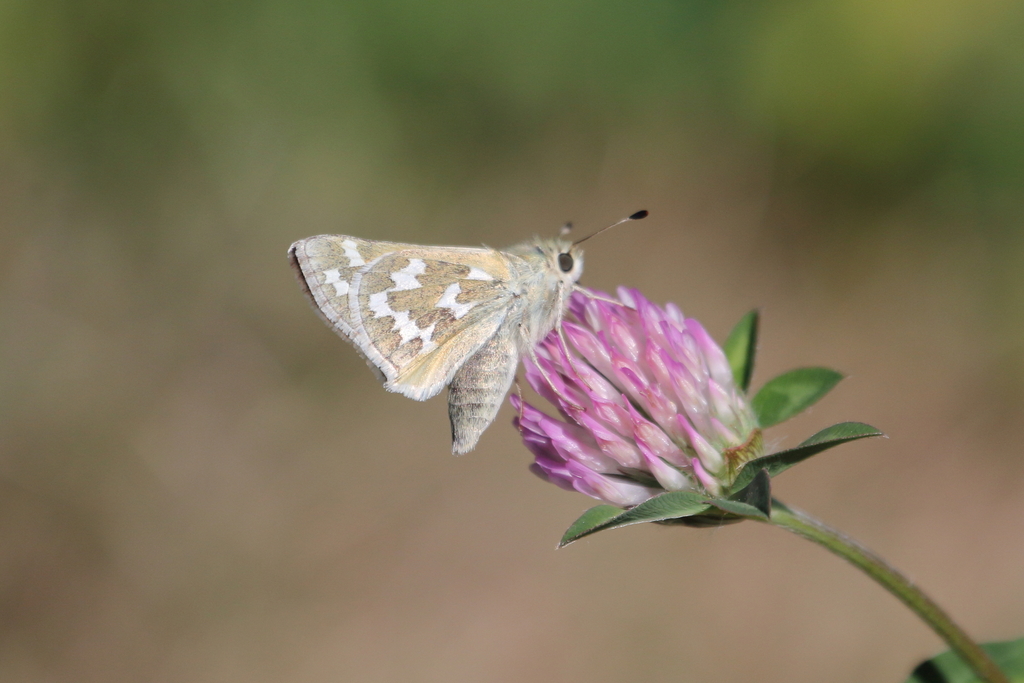
(c) Eric Habisch, some rights reserved (CC BY) · licence
Family: Hesperiidae · Class: Insecta · Order: Lepidoptera
Hesperia juba (Juba Skipper) is a California animal in the Hesperiidae family.
The Juba skipper is a medium-sized butterfly in the family Hesperiidae, characterized by its distinctive orange and brown wing pattern. Males have bright orange forewings with dark borders and prominent dark stigma patches, while females display more subdued orange coloration with broader dark markings. The wingspan ranges from 25 to 32 mm (1.0 to 1.3 inches). Both sexes have orange-brown hindwings with pale yellow spots arranged in irregular bands. The undersides are paler with more pronounced spotting patterns that aid in identification when the butterfly is at rest. The Juba skipper ranges from British Columbia south to southern California, extending eastward to Montana, Wyoming, Colorado, and northwest New Mexico. In California, the species occurs primarily in the northern two-thirds of the state, including the Sierra Nevada, Cascade Range, and Coast Ranges. Populations are documented from sea level to elevations exceeding 2,400 meters (8,000 feet), with the highest concentrations found in montane and subalpine zones. This species inhabits diverse grassland and meadow environments, including mountain meadows, prairie edges, open woodlands, and disturbed areas such as roadsides and field margins. The Juba skipper shows particular affinity for areas with native bunch grasses and is often associated with moist to moderately dry soils. Adults are frequently observed in areas where their host plants grow in partial shade or along forest edges. Juba skippers are univoltine in most of their range, producing one generation per year. Adults emerge from late May through August, with peak flight activity occurring in June and July at higher elevations. Males establish territories on hilltops and ridge lines, engaging in territorial disputes with other males. Females deposit single eggs on or near host plant leaves. Larvae feed on slender hairgrass (Deschampsia elongata), needlegrass (Stipa species), foxtail brome (Bromus rubens), and bluegrass (Poa pratensis). The caterpillars construct silk shelters within grass clumps and overwinter as partially grown larvae, resuming feeding the following spring before pupating. Adults are active during daylight hours and are strong, rapid fliers. They nectar on various wildflowers including thistles, asters, and mountain lilac, often showing preference for purple and white blooms. Males exhibit distinctive perching behavior, often selecting prominent rocks or bare ground as territorial watch posts. The Juba skipper is not currently listed under federal or California endangered species legislation. The species maintains stable populations across much of its range, though localized declines may occur due to habitat loss from development, agricultural conversion, and grazing pressure. Fire suppression practices that alter natural grassland succession patterns may impact some populations by reducing suitable habitat. Climate change poses potential long-term threats through shifts in precipitation patterns and temperature regimes that could affect host plant distributions, particularly at higher elevations where the species is most abundant.
Classification
Class: Insecta · Order: Lepidoptera · Family: Hesperiidae
Frequently asked questions
How is Hesperia juba classified?
Hesperia juba belongs to class Insecta, order Lepidoptera, family Hesperiidae.
What family does Hesperia juba belong to?
Hesperia juba is in the Hesperiidae family.
What is Hesperia juba?
The Juba skipper is a medium-sized butterfly in the family Hesperiidae, characterized by its distinctive orange and brown wing pattern.
Is Hesperia juba found in California?
Yes. Hesperia juba is recorded in California in The California Species Project's catalogue.
Related species
Other California species in the same genus, family, or bioregion.
Data from The California Species Project — 14,000+ California species with verified data from CNPS, CDFW, USFWS, and more.