Hesperoleucus mitrulus
Northern Roach
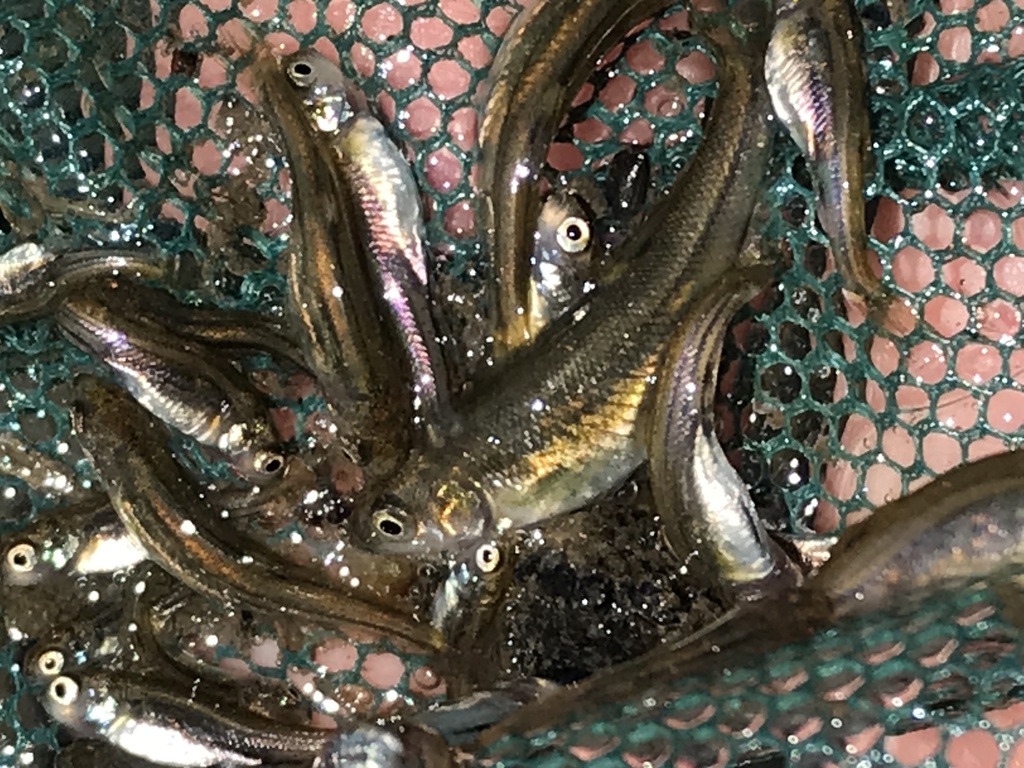
(c) Ryan Donnelly, some rights reserved (CC BY) · licence
Family: Leuciscidae · Class: Actinopterygii · Order: Cypriniformes
Conservation status: G2 S2
Hesperoleucus mitrulus (Northern Roach) is a California animal in the Leuciscidae family.
The Northern Roach (Hesperoleucus mitrulus) is a small freshwater fish endemic to California and Oregon. This cyprinid species typically measures 75 to 150 mm (3 to 6 inches) in total length, with a streamlined body adapted for life in flowing waters. The species exhibits a silvery coloration with darker dorsal surfaces and lighter ventral areas. Distinguished from other roaches by its specific fin ray counts and body proportions, the Northern Roach possesses a moderately compressed body form typical of the genus Hesperoleucus. Historically, the Northern Roach occurred throughout the Pit River drainage system in northeastern California and south-central Oregon. According to NatureServe, the species has disappeared from much of its former range in the Pit River drainage. Current populations are significantly reduced from historical levels, with the species now restricted to isolated reaches within its native watershed. The dramatic range reduction has resulted in fragmented populations with limited connectivity between remaining habitats. The Northern Roach inhabits clear, cool streams and rivers with rocky or gravel substrates. The species prefers areas with moderate to swift current velocities and well-oxygenated water. Adults are typically found in pools and runs with depths ranging from 0.5 to 2 meters. Spawning occurs in shallow areas with gravel beds, where females deposit adhesive eggs on cleaned substrate. The species requires cold water temperatures year-round and is sensitive to thermal pollution and habitat degradation. As opportunistic feeders, Northern Roach consume aquatic insects, small crustaceans, algae, and organic detritus. Their diet varies seasonally based on prey availability, with insects comprising the majority of their food during warmer months. Spawning occurs from late spring through early summer when water temperatures reach optimal ranges. Females produce clutches of several hundred eggs, which are fertilized externally and develop over several weeks depending on water temperature. Juveniles remain in shallow, protected areas before moving to adult habitats. The Northern Roach currently holds a global conservation rank of G2 (Imperiled) and a state rank of S2 in California, indicating the species faces significant conservation concerns. A petition to list the Northern Roach as threatened or endangered under the Endangered Species Act was submitted to the U.S. Fish and Wildlife Service on October 16, 2025, citing range reduction and population declines. Primary threats include habitat modification from water diversions, livestock grazing impacts, and introduced species competition. Stream channelization, dam construction, and altered flow regimes have degraded spawning and rearing habitats. Climate change poses additional risks through increased water temperatures and altered precipitation patterns that may further stress remaining populations. Conservation efforts focus on habitat restoration, flow management, and protection of remaining stronghold populations within the Pit River system.
Classification
Class: Actinopterygii · Order: Cypriniformes · Family: Leuciscidae
Conservation status
G2 S2
Frequently asked questions
How is Hesperoleucus mitrulus classified?
Hesperoleucus mitrulus belongs to class Actinopterygii, order Cypriniformes, family Leuciscidae.
What family does Hesperoleucus mitrulus belong to?
Hesperoleucus mitrulus is in the Leuciscidae family.
Is Hesperoleucus mitrulus protected or of conservation concern?
Hesperoleucus mitrulus carries the following status: G2 S2.
What is Hesperoleucus mitrulus?
The Northern Roach (Hesperoleucus mitrulus) is a small freshwater fish endemic to California and Oregon.
Is Hesperoleucus mitrulus found in California?
Yes. Hesperoleucus mitrulus is recorded in California in The California Species Project's catalogue.
Related species
Other California species in the same genus, family, or bioregion.
Data from The California Species Project — 14,000+ California species with verified data from CNPS, CDFW, USFWS, and more.