Hesperoleucus venustus
Coastal Roach
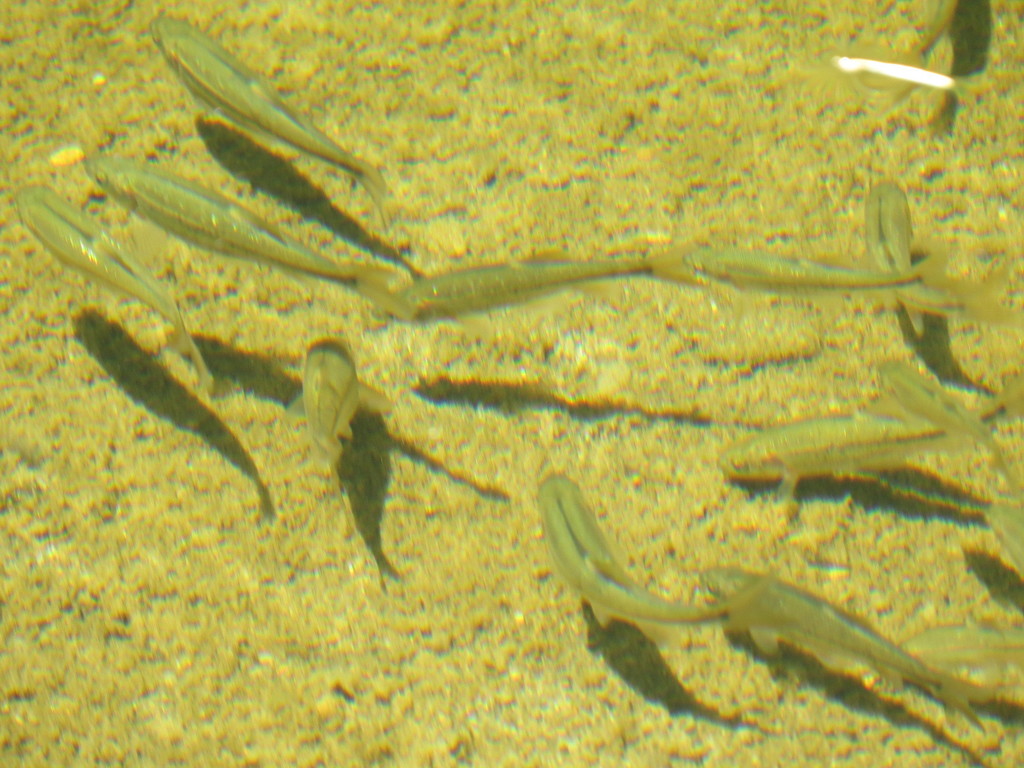
(c) Garth Harwood, some rights reserved (CC BY) · licence
Family: Leuciscidae · Class: Actinopterygii · Order: Cypriniformes
Hesperoleucus venustus (Coastal Roach) is a California animal in the Leuciscidae family.
The Coastal Roach is a small freshwater cyprinid fish endemic to California's coastal watersheds. Adults typically measure 75 to 125 mm (3.0 to 4.9 inches) in total length, with a moderately compressed, streamlined body characteristic of the minnow family. The species displays olive to brownish coloration on the dorsal surface with silvery sides and a whitish ventral surface. Breeding males develop tubercles on the head and anterior body scales during spawning season. Coastal Roach historically occurred in streams around San Francisco Bay and scattered coastal watersheds from Sonoma County south to the Salinas and Pajaro river systems in Monterey and Santa Cruz counties. The species is notably absent from coastal watersheds between the San Francisco Bay region and the Monterey Peninsula. Current distribution has become fragmented, with populations persisting in select tributaries within this historical range. The species inhabits medium rivers and creeks with moderate gradients, showing preference for pool habitats within these systems. Coastal Roach occupy a wide variety of freshwater environments, from small headwater streams to larger river systems. They are typically found in areas with rocky or gravelly substrates and moderate water velocities. The species demonstrates tolerance for seasonal flow variations common in Mediterranean climate streams. Coastal Roach are opportunistic feeders, consuming benthic invertebrates, zooplankton, algae, and detritus. Their diet shifts seasonally based on prey availability and habitat conditions. Spawning occurs during spring and early summer months when water temperatures rise and flows stabilize. Adults move into shallow areas with suitable substrate for egg deposition, typically selecting areas with gravel or vegetation. Females scatter adhesive eggs over the substrate, where they develop without parental care. The species exhibits relatively short generation times typical of small cyprinids. The Coastal Roach is federally listed as threatened under the Endangered Species Act, reflecting significant population declines and habitat degradation throughout its range. Primary threats include habitat modification from urbanization, water diversions, and altered flow regimes. Sedimentation from land use changes has degraded spawning and rearing habitats. Introduction of non-native predators and competitors has further stressed remaining populations. Climate change poses additional challenges through altered precipitation patterns and increased drought frequency in coastal California watersheds. The species' limited distribution and habitat specificity make it particularly vulnerable to these cumulative impacts. Recovery efforts focus on habitat restoration, flow management, and protection of remaining populations through watershed conservation measures.
Classification
Class: Actinopterygii · Order: Cypriniformes · Family: Leuciscidae
Frequently asked questions
How is Hesperoleucus venustus classified?
Hesperoleucus venustus belongs to class Actinopterygii, order Cypriniformes, family Leuciscidae.
What family does Hesperoleucus venustus belong to?
Hesperoleucus venustus is in the Leuciscidae family.
What is Hesperoleucus venustus?
The Coastal Roach is a small freshwater cyprinid fish endemic to California's coastal watersheds.
Is Hesperoleucus venustus found in California?
Yes. Hesperoleucus venustus is recorded in California in The California Species Project's catalogue.
Related species
Other California species in the same genus, family, or bioregion.
Data from The California Species Project — 14,000+ California species with verified data from CNPS, CDFW, USFWS, and more.