Hesperoleucus venustus x H. symmetricus
Clear Lake Roach
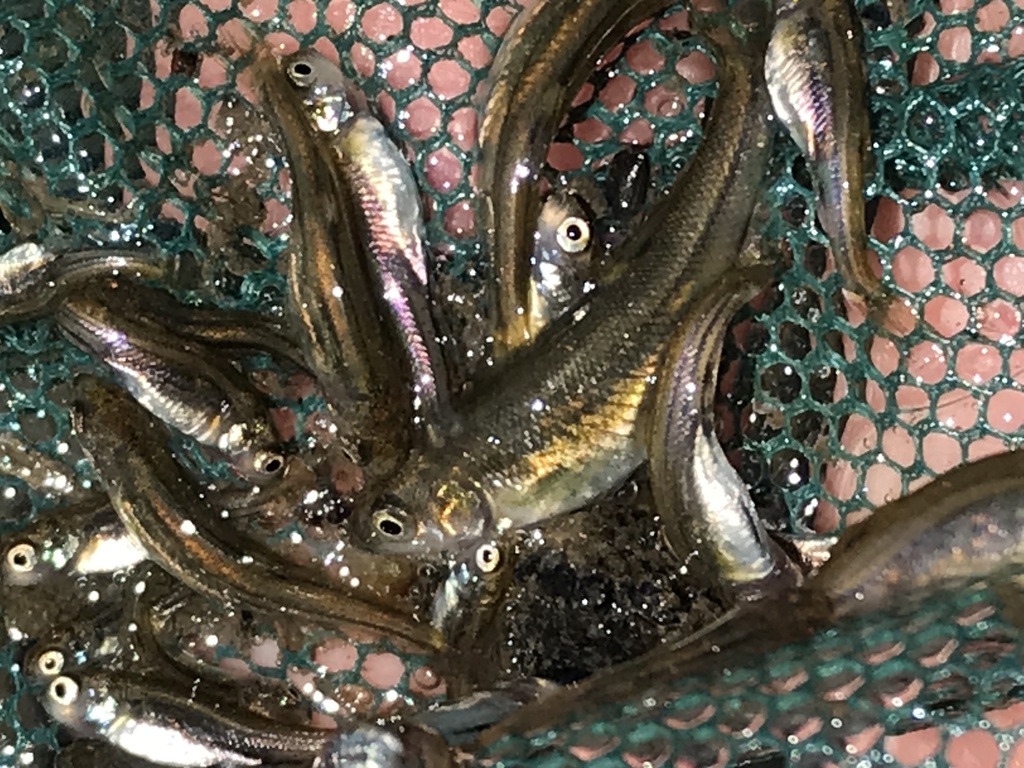
(c) Ryan Donnelly, some rights reserved (CC BY) · licence
Family: Leuciscidae · Class: Actinopterygii · Order: Cypriniformes
Conservation status: G3 S3
Hesperoleucus venustus x H. symmetricus (Clear Lake Roach) is a California animal in the Leuciscidae family.
The Clear Lake roach is a hybrid fish species resulting from the cross between Hesperoleucus venustus and H. symmetricus within the California roach complex. This cyprinid exhibits the typical elongated, streamlined body form characteristic of roaches, with adults typically measuring 75-150 mm (3-6 inches) in total length. The species displays variable coloration reflecting its hybrid nature, generally showing olive to bronze dorsal surfaces with silvery sides and a pale ventral surface. Breeding males may develop more pronounced coloration and tubercles during spawning season. The Clear Lake roach is endemic to the Clear Lake basin in Lake County, California, representing one of several geographically isolated roach populations throughout the state. According to California Department of Fish and Wildlife data, this population is recognized as distinct from other roach forms found in neighboring watersheds. The species' distribution is restricted to Clear Lake itself and associated tributaries and wetlands within the basin. This species inhabits various aquatic environments within the Clear Lake system, including the lake's littoral zones, backwater areas, and tributary streams. Clear Lake roach typically occur in areas with submerged vegetation, rocky substrates, and moderate water depths. They demonstrate adaptability to seasonal water level fluctuations common in the Clear Lake basin and can tolerate the relatively warm water temperatures that characterize this large, shallow lake system. Clear Lake roach are omnivorous, feeding on aquatic invertebrates, zooplankton, algae, and detritus. Their diet varies seasonally based on prey availability, with adults consuming larger invertebrates and plant material while juveniles focus primarily on zooplankton and small benthic organisms. Spawning typically occurs in spring when water temperatures rise, with adults moving into shallow areas with suitable substrate for egg deposition. Females deposit adhesive eggs on vegetation or rocky surfaces, and the species likely exhibits similar reproductive timing to related roach populations throughout California. The Clear Lake roach carries a global and state conservation rank of G3 S3, indicating it is vulnerable to extirpation. While not federally or state listed, this ranking reflects the species' restricted distribution and potential threats to its Clear Lake habitat. Primary conservation concerns include water quality degradation, habitat modification, introduction of non-native fish species, and water level management practices that may affect spawning and nursery areas. Clear Lake has experienced various environmental stressors over the past century, including nutrient enrichment, pesticide contamination, and altered hydrology. Climate change poses additional threats through potential changes in water temperature, precipitation patterns, and lake level stability. The species' hybrid nature and geographic isolation make it particularly vulnerable to genetic bottlenecks and loss of adaptive capacity. Conservation efforts focus on maintaining water quality standards, protecting critical habitats within the lake basin, and monitoring population trends to detect potential declines. Long-term preservation of the Clear Lake roach depends on comprehensive watershed management that addresses both aquatic habitat quality and the various anthropogenic pressures affecting this unique ecosystem.
Classification
Class: Actinopterygii · Order: Cypriniformes · Family: Leuciscidae
Conservation status
G3 S3
Frequently asked questions
How is Hesperoleucus venustus x H. symmetricus classified?
Hesperoleucus venustus x H. symmetricus belongs to class Actinopterygii, order Cypriniformes, family Leuciscidae.
What family does Hesperoleucus venustus x H. symmetricus belong to?
Hesperoleucus venustus x H. symmetricus is in the Leuciscidae family.
Is Hesperoleucus venustus x H. symmetricus protected or of conservation concern?
Hesperoleucus venustus x H. symmetricus carries the following status: G3 S3.
What is Hesperoleucus venustus x H. symmetricus?
The Clear Lake roach is a hybrid fish species resulting from the cross between Hesperoleucus venustus and H.
Is Hesperoleucus venustus x H. symmetricus found in California?
Yes. Hesperoleucus venustus x H. symmetricus is recorded in California in The California Species Project's catalogue.
Related species
Other California species in the same genus, family, or bioregion.
Data from The California Species Project — 14,000+ California species with verified data from CNPS, CDFW, USFWS, and more.