Heteroecus pacificus
Beaked Spindle Gall Wasp
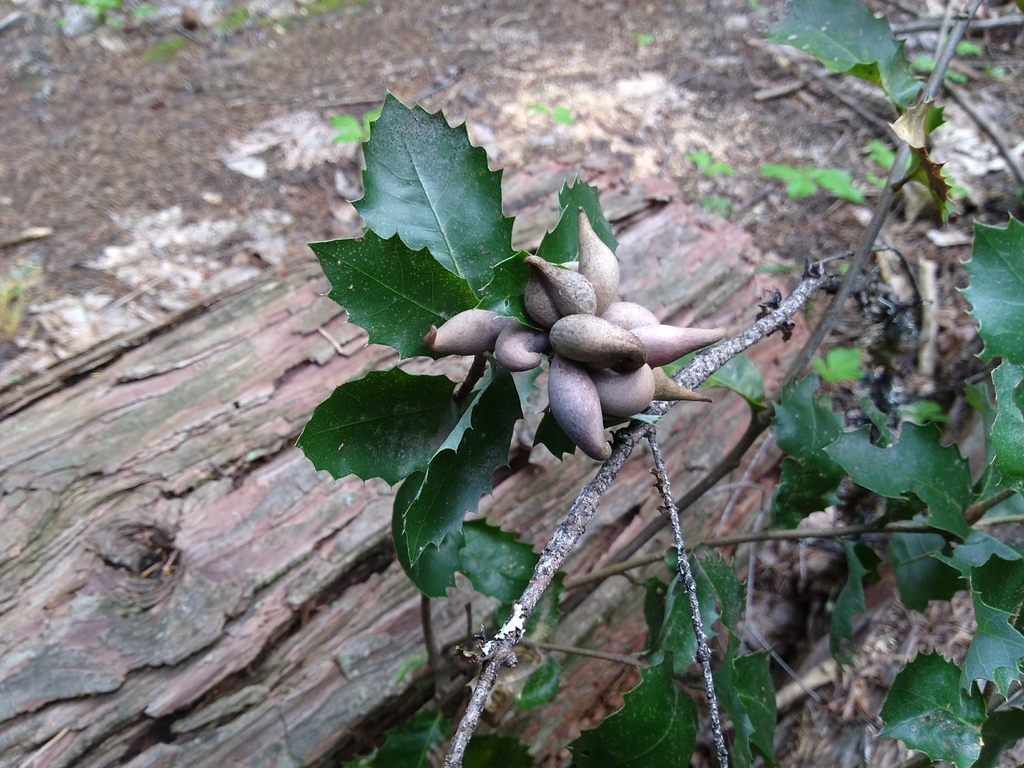
no rights reserved · CC0
Family: Cynipidae · Class: Insecta · Order: Hymenoptera
Heteroecus pacificus (Beaked Spindle Gall Wasp) is a California animal in the Cynipidae family.
The Beaked Spindle Gall Wasp (Heteroecus pacificus) is a small parasitoid wasp in the family Cynipidae. Like other cynipid wasps, adults are typically 2-4 mm in length with a distinctive wasp-like body form. The species exhibits the characteristic features of its genus, including a laterally compressed abdomen and specialized ovipositor adapted for egg-laying in host tissues. The common name "beaked" refers to the prominent projection of the head capsule, while "spindle gall" describes the elongated, spindle-shaped plant galls induced by this species. Heteroecus pacificus occurs across western North America, with documented populations extending from California northward through Oregon and Washington into British Columbia. The species has also been recorded in other western states including Idaho and Montana. Within California, the wasp has been documented in multiple counties, though specific distribution patterns require further study. The species appears to have a relatively broad geographic range within suitable habitat zones. This gall wasp inhabits areas where its host plants occur, primarily in oak woodlands, mixed forests, and chaparral communities. The species is associated with various oak species (Quercus spp.) where it creates characteristic galls on stems, twigs, or leaves. Habitat requirements are closely tied to the presence of suitable oak hosts, with elevation ranges typically corresponding to oak distribution patterns in western montane and foothill regions. As a gall-forming species, Heteroecus pacificus exhibits a complex life cycle involving alternation between sexual and asexual generations, a phenomenon known as heterogamy that is common in cynipid wasps. Adults emerge from galls and mate, with females using their specialized ovipositors to inject eggs into oak tissues along with gall-inducing chemicals. The developing larvae stimulate abnormal plant growth, creating the spindle-shaped galls that provide both nutrition and protection. Gall development typically occurs during spring and summer months when oak growth is most active. The wasps likely have one generation per year, with adults emerging in spring to coincide with optimal host plant conditions. Currently, Heteroecus pacificus lacks federal or state conservation listing status and appears to be a relatively stable species within its range. However, like many specialized gall wasps, population trends are not well documented due to limited systematic surveys of cynipid fauna. The species faces potential threats from habitat loss due to oak woodland conversion and fragmentation, particularly in California's rapidly developing foothill regions. Climate change may also affect host plant distributions and phenology, potentially disrupting the synchronized timing between wasp emergence and optimal host conditions. Conservation of oak woodland ecosystems remains important for maintaining stable populations of this and other oak-associated gall wasps. Scientific documentation for this species remains limited compared to more conspicuous insects. Additional research on population trends, detailed host associations, and ecological requirements would enhance understanding of this specialized wasp's conservation needs and role in oak woodland ecosystems.
Classification
Class: Insecta · Order: Hymenoptera · Family: Cynipidae
Frequently asked questions
How is Heteroecus pacificus classified?
Heteroecus pacificus belongs to class Insecta, order Hymenoptera, family Cynipidae.
What family does Heteroecus pacificus belong to?
Heteroecus pacificus is in the Cynipidae family.
What is Heteroecus pacificus?
The Beaked Spindle Gall Wasp (Heteroecus pacificus) is a small parasitoid wasp in the family Cynipidae.
Is Heteroecus pacificus found in California?
Yes. Heteroecus pacificus is recorded in California in The California Species Project's catalogue.
Related species
Other California species in the same genus, family, or bioregion.
Data from The California Species Project — 14,000+ California species with verified data from CNPS, CDFW, USFWS, and more.