Homorthodes perturba
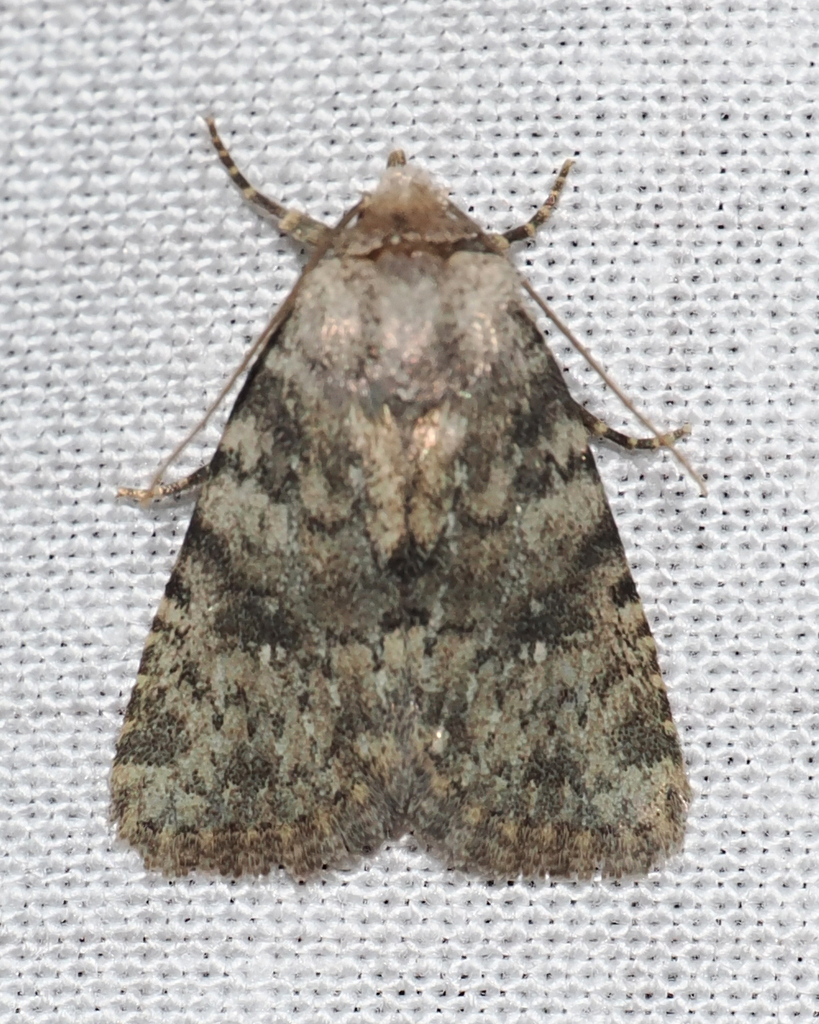
(c) Roger Rittmaster, some rights reserved (CC BY) · licence
Family: Noctuidae · Class: Insecta · Order: Lepidoptera
Homorthodes perturba is a California animal in the Noctuidae family.
Homorthodes perturba is a moth in the family Noctuidae, part of the large order Lepidoptera. This species belongs to the genus Homorthodes, which comprises several North American noctuid moths. The taxonomic classification places this species within the diverse family Noctuidae, commonly known as owlet moths or cutworm moths, one of the largest families in the order Lepidoptera. Limited information is available regarding the physical characteristics of Homorthodes perturba. Like other members of the Noctuidae family, adults likely possess the typical noctuid body plan with relatively narrow forewings and broader hindwings. The forewings probably display cryptic coloration patterns common to many noctuids, which provide camouflage when the moths rest on tree bark or other substrates during daylight hours. The species name 'perturba' may reference distinctive markings or patterns on the wings, though specific morphological details require verification from taxonomic literature. The geographic range of Homorthodes perturba appears to be restricted to western North America, with documented occurrences in California. However, the precise distribution boundaries and extent of occurrence within California remain poorly documented in accessible databases. The species may have a limited range typical of many specialized noctuid moths, potentially occurring in specific ecological zones or habitat types within the state. Habitat requirements for Homorthodes perturba are not well-documented in current literature. Many noctuids occupy diverse habitats ranging from desert scrublands to montane forests, depending on their host plant associations and ecological specializations. The elevation range, preferred vegetation communities, and microhabitat preferences for this species require further investigation through field surveys and taxonomic studies. The life history and ecological behavior of Homorthodes perturba remain largely unknown. Most noctuids follow a similar pattern with eggs laid on or near host plants, larvae developing through several instars while feeding on vegetation, pupation occurring in soil or plant debris, and adults emerging to mate and reproduce. Flight periods typically correspond with favorable weather conditions and host plant phenology. Adults are likely nocturnal, as indicated by the family name, and may be attracted to artificial lights during nighttime activity periods. Larval host plants and feeding preferences have not been definitively established for this species. Many Homorthodes species are associated with specific plant families or genera, and determining these relationships is crucial for understanding habitat requirements and conservation needs. The conservation status of Homorthodes perturba is currently unassessed at federal and state levels. No formal listing status has been assigned, and population trends remain unknown. The apparent rarity of records and limited distributional information suggest this species may have restricted occurrence or specialized habitat requirements. Climate change, habitat modification, and urban development could pose potential threats to populations if the species has narrow ecological tolerances. Comprehensive surveys and taxonomic research are needed to assess population status, distribution patterns, and conservation requirements for this poorly known moth species.
Classification
Class: Insecta · Order: Lepidoptera · Family: Noctuidae
Frequently asked questions
How is Homorthodes perturba classified?
Homorthodes perturba belongs to class Insecta, order Lepidoptera, family Noctuidae.
What family does Homorthodes perturba belong to?
Homorthodes perturba is in the Noctuidae family.
What is Homorthodes perturba?
Homorthodes perturba is a moth in the family Noctuidae, part of the large order Lepidoptera.
Is Homorthodes perturba found in California?
Yes. Homorthodes perturba is recorded in California in The California Species Project's catalogue.
Related species
Other California species in the same genus, family, or bioregion.
Data from The California Species Project — 14,000+ California species with verified data from CNPS, CDFW, USFWS, and more.