Hyalophora gloveri
Glover's Silkmoth
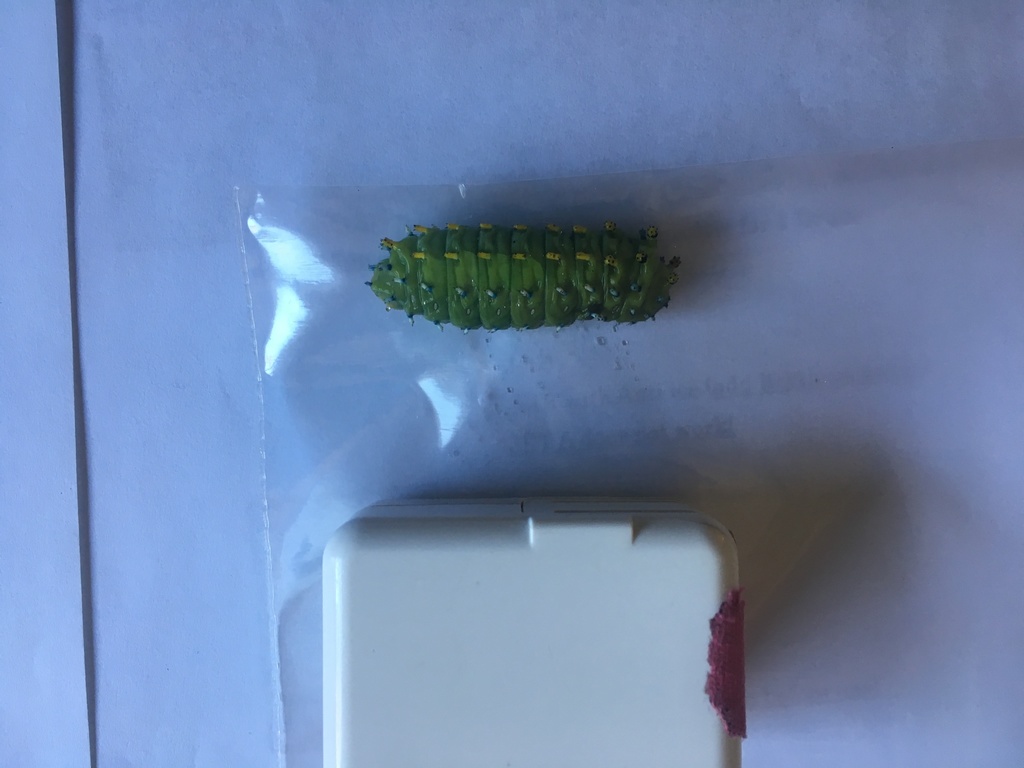
(c) Suzanne Carriere, some rights reserved (CC BY) · licence
Family: Saturniidae · Class: Insecta · Order: Lepidoptera
Hyalophora gloveri (Glover's Silkmoth) is a California animal in the Saturniidae family.
Hyalophora gloveri is a large moth in the family Saturniidae, commonly known as Glover's Silkmoth. Adults exhibit a wingspan of 90 to 130 millimeters (3.5 to 5.1 inches), making it one of the larger moths in western North America. The forewings display a reddish-brown base color with distinctive white-centered eyespots surrounded by black rings. A prominent white stripe extends across each forewing, while the hindwings feature similar coloration with smaller eyespots. Males possess broader, more feathery antennae compared to females, an adaptation for detecting female pheromones across considerable distances. Glover's Silkmoth ranges across western North America, from British Columbia south through the western United States to northern Mexico. In California, the species occurs primarily in mountainous regions, including the Sierra Nevada, Cascade Range, and higher elevations of coastal mountains. Historical records document populations in counties including Shasta, Siskiyou, Placer, El Dorado, Mariposa, Tulare, and Inyo. The species inhabits coniferous and mixed forests at elevations typically ranging from 1,200 to 2,700 meters (4,000 to 8,900 feet). Preferred habitat includes areas with abundant host plants, particularly willows (Salix species), wild cherry (Prunus species), and occasionally aspen (Populus tremuloides). Adults are commonly found near riparian corridors where host plants concentrate, often in mountain meadows and forest edges adjacent to streams or springs. Glover's Silkmoth exhibits a univoltine life cycle, producing one generation annually. Adults emerge from late May through July, with peak activity occurring in June. Mating typically occurs shortly after emergence, with females releasing pheromones during evening hours to attract males. Females deposit eggs singly or in small clusters on host plant leaves. Larvae develop through five instars over approximately 60 to 80 days, feeding primarily on willow and cherry foliage. Mature caterpillars measure 75 to 90 millimeters in length and display green coloration with rows of tubercles bearing spines. Pupation occurs within brown, papery cocoons attached to branches, with the pupal stage lasting approximately 10 months through winter. Currently, Hyalophora gloveri lacks formal conservation status designations at federal or state levels. However, like many native moths, populations may face pressure from habitat modification, light pollution, and climate change effects on montane ecosystems. Forest management practices that maintain diverse age classes and preserve riparian corridors benefit the species by ensuring host plant availability. The moth's dependence on specific elevation ranges makes populations potentially vulnerable to climate-induced shifts in suitable habitat zones. Limited recent survey data exists for California populations, making population trend assessment difficult.
Classification
Class: Insecta · Order: Lepidoptera · Family: Saturniidae
Frequently asked questions
How is Hyalophora gloveri classified?
Hyalophora gloveri belongs to class Insecta, order Lepidoptera, family Saturniidae.
What family does Hyalophora gloveri belong to?
Hyalophora gloveri is in the Saturniidae family.
What is Hyalophora gloveri?
Hyalophora gloveri is a large moth in the family Saturniidae, commonly known as Glover's Silkmoth.
Is Hyalophora gloveri found in California?
Yes. Hyalophora gloveri is recorded in California in The California Species Project's catalogue.
Related species
Other California species in the same genus, family, or bioregion.
Data from The California Species Project — 14,000+ California species with verified data from CNPS, CDFW, USFWS, and more.