Hydriomena albifasciata
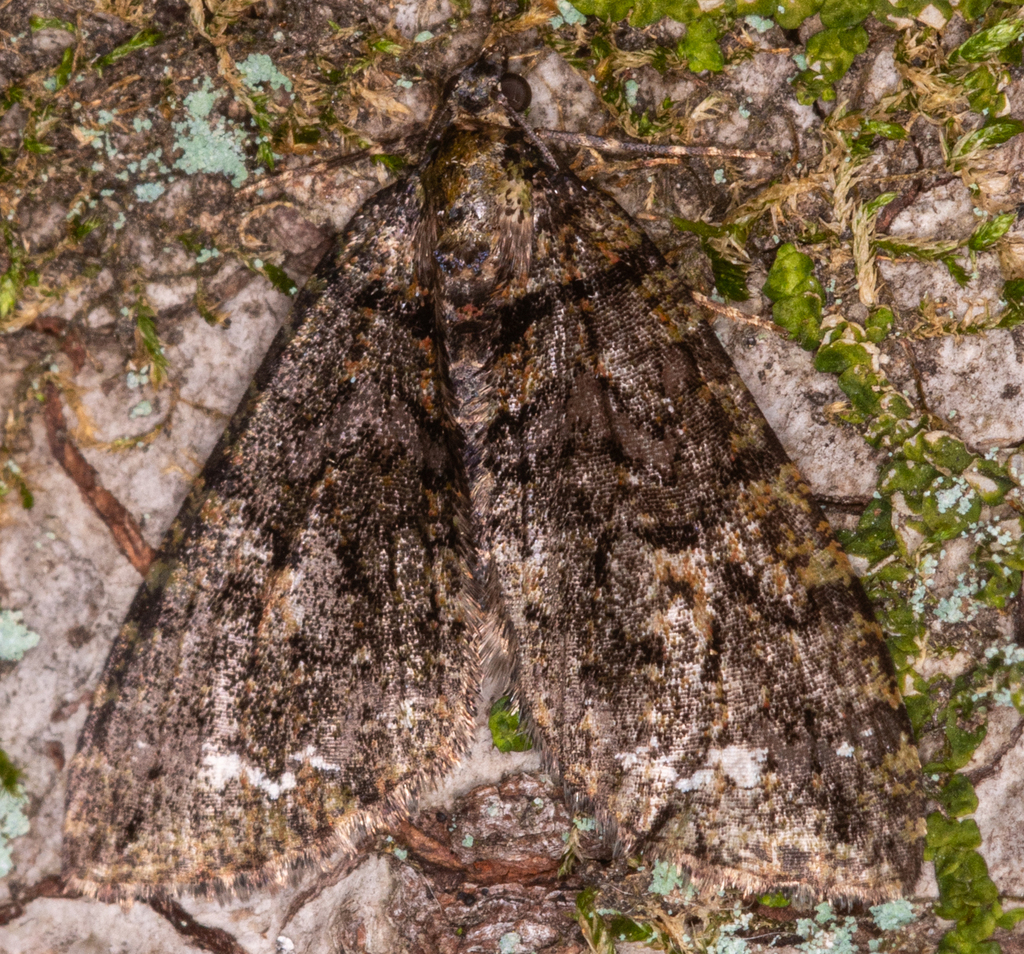
(c) Michael Warner, some rights reserved (CC BY) · licence
Family: Geometridae · Class: Insecta · Order: Lepidoptera
Hydriomena albifasciata is a California animal in the Geometridae family.
Hydriomena albifasciata is a geometrid moth species belonging to the family Geometridae, commonly known as inchworms or measuring worms in their larval stage. This species exhibits the characteristic features of the genus Hydriomena, with adults displaying the typical triangular forewings and relatively broad hindwings found in geometrid moths. The scientific name 'albifasciata' suggests the presence of white or pale fasciae (bands) across the wings, though detailed morphological descriptions for this particular species remain limited in published literature. The geographic distribution of H. albifasciata appears to be restricted to western North America, with documented occurrences primarily in mountainous regions of California and potentially adjacent states. However, comprehensive range data for this species is currently incomplete, and additional surveys may reveal a broader or more restricted distribution than currently understood. This moth species inhabits forested ecosystems where its documented host plants occur. Based on the verified host plant associations, H. albifasciata larvae feed on oak species (Quercus) and maple species (Acer). These host plant preferences suggest the species occupies mixed deciduous and oak woodland habitats, likely at elevations where both oak and maple species coexist. The presence of these host plants indicates the moth occurs in areas with sufficient moisture and suitable soil conditions to support both tree genera. Like other Geometridae species, H. albifasciata undergoes complete metamorphosis with distinct egg, larval, pupal, and adult stages. The larvae, commonly called loopers or inchworms due to their distinctive locomotion, feed on the foliage of oak and maple trees. Larval feeding behavior typically involves consuming leaves from the outer canopy, and development likely occurs over several molts before pupation. Adult moths are presumably nocturnal, as is typical for most geometrid species, with flight periods that coincide with optimal mating and oviposition conditions. The timing of adult emergence and larval development phases remains undocumented for this particular species. The conservation status of H. albifasciata has not been formally evaluated by state or federal wildlife agencies. No listing status has been assigned at the federal level, and the species does not appear on California's special concern species lists as of December 2025. The apparent lack of comprehensive population data and limited ecological research suggests this may be either a recently described species, a naturally rare taxon, or simply an understudied moth that requires additional survey work. Forest management practices affecting oak and maple habitats could potentially impact populations, though specific threat assessments have not been conducted. Climate change effects on montane forest ecosystems may influence future distribution patterns, particularly if host plant ranges shift with changing temperature and precipitation patterns.
Classification
Class: Insecta · Order: Lepidoptera · Family: Geometridae
Frequently asked questions
How is Hydriomena albifasciata classified?
Hydriomena albifasciata belongs to class Insecta, order Lepidoptera, family Geometridae.
What family does Hydriomena albifasciata belong to?
Hydriomena albifasciata is in the Geometridae family.
What is Hydriomena albifasciata?
Hydriomena albifasciata is a geometrid moth species belonging to the family Geometridae, commonly known as inchworms or measuring worms in their larval stage.
Is Hydriomena albifasciata found in California?
Yes. Hydriomena albifasciata is recorded in California in The California Species Project's catalogue.
Related species
Other California species in the same genus, family, or bioregion.
Data from The California Species Project — 14,000+ California species with verified data from CNPS, CDFW, USFWS, and more.