Hydriomena irata
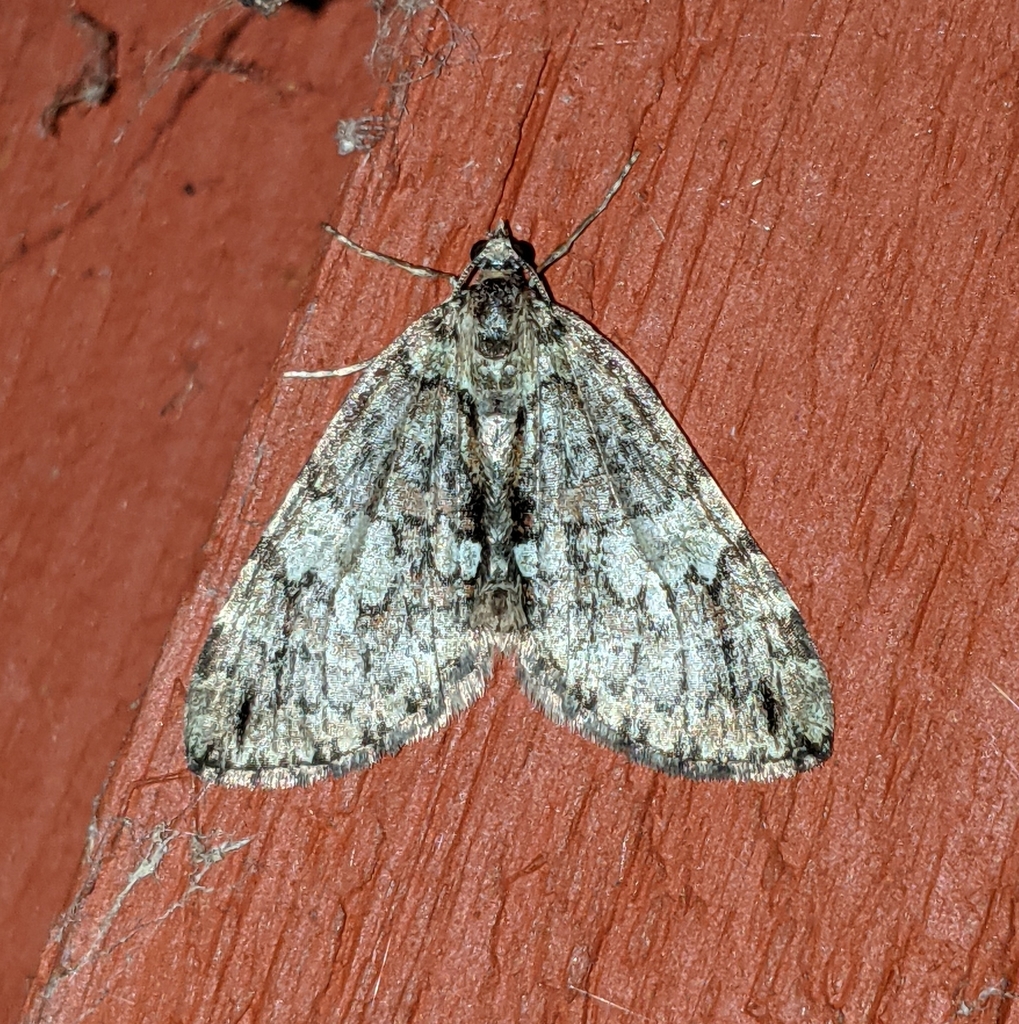
no rights reserved · CC0
Family: Geometridae · Class: Insecta · Order: Lepidoptera
Hydriomena irata is a California animal in the Geometridae family.
Hydriomena irata is a geometrid moth in the family Geometridae, subfamily Larentiinae. This species belongs to a genus of moths commonly known as carpet moths or wave moths, characterized by their distinctive wing patterns and flight behaviors. Adult moths of Hydriomena irata display the typical geometrid wing structure with broad forewings and narrower hindwings. The wingspan ranges from approximately 20 to 30 millimeters (0.8 to 1.2 inches). The forewings typically exhibit transverse lines and banding patterns characteristic of the genus, with coloration that often includes earth tones of brown, gray, and tan that provide effective camouflage against bark and dead vegetation. The hindwings are generally lighter in color with reduced patterning. Sexual dimorphism may be present, with males potentially having more feathered or elaborate antennae compared to females. The current distribution range of Hydriomena irata is not well-documented in available literature, though the genus Hydriomena occurs throughout temperate regions of North America. Many species in this genus are associated with mountainous or higher elevation habitats, particularly in western North America. Without specific collection records or range data, the precise distribution of H. irata within California or broader geographic regions remains unclear. Habitat requirements for Hydriomena irata are likely similar to related species in the genus, which typically inhabit forested areas, woodland edges, and shrubland environments. Many Hydriomena species are associated with specific elevation ranges, often occurring in montane or subalpine zones. The species likely prefers areas with suitable host plants for larval development and nectar sources for adults. Like other geometrids, Hydriomena irata undergoes complete metamorphosis with egg, larval, pupal, and adult stages. The larvae, commonly called inchworms or loopers, move in a characteristic looping motion due to having fewer prolegs than other moth caterpillars. Larval host plants for H. irata are not definitively established, though many Hydriomena species feed on various deciduous trees and shrubs, including species in the families Rosaceae, Salicaceae, and Betulaceae. Adults are typically nocturnal and may be attracted to artificial lights. Flight periods vary among species but often occur during summer months. The conservation status of Hydriomena irata is not well-established, as the species lacks formal listing under federal or state endangered species acts. The limited available information suggests this species may be uncommon or have a restricted distribution. Many geometrid moths face threats from habitat loss, light pollution, climate change, and pesticide use. Forest management practices, urbanization, and alteration of natural fire regimes can impact habitat quality for both larval and adult stages. Without detailed population data or distribution information, assessing specific conservation needs for H. irata is challenging.
Classification
Class: Insecta · Order: Lepidoptera · Family: Geometridae
Frequently asked questions
How is Hydriomena irata classified?
Hydriomena irata belongs to class Insecta, order Lepidoptera, family Geometridae.
What family does Hydriomena irata belong to?
Hydriomena irata is in the Geometridae family.
What is Hydriomena irata?
Hydriomena irata is a geometrid moth in the family Geometridae, subfamily Larentiinae.
Is Hydriomena irata found in California?
Yes. Hydriomena irata is recorded in California in The California Species Project's catalogue.
Related species
Other California species in the same genus, family, or bioregion.
Data from The California Species Project — 14,000+ California species with verified data from CNPS, CDFW, USFWS, and more.