Hydriomena muscata
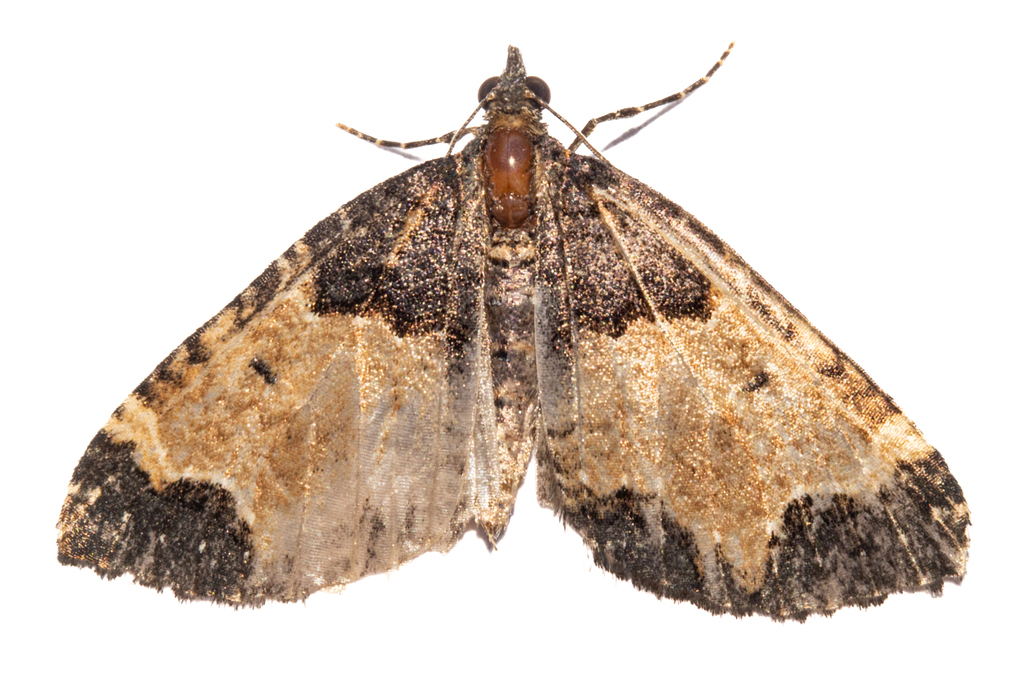
no rights reserved · CC0
Family: Geometridae · Class: Insecta · Order: Lepidoptera
Hydriomena muscata is a California animal in the Geometridae family.
Hydriomena muscata is a geometrid moth in the family Geometridae, subfamily Larentiinae. This species belongs to a diverse genus of moths commonly known as carpet moths or wave moths, characterized by their intricate wing patterns and relatively broad forewings. Adult moths typically display cryptic coloration with complex geometric patterns that provide effective camouflage against bark and lichen-covered surfaces. The forewings show a mottled appearance with alternating light and dark bands, while the hindwings are generally paler with less distinct markings. Wing span measurements for this species are not well documented in current literature, though most Hydriomena species range from 20 to 35 millimeters across the forewings. The range and distribution of Hydriomena muscata remains poorly documented in scientific literature. Limited records suggest the species may occur in western North America, potentially including California, though specific distributional data requires verification through additional surveys and taxonomic work. The lack of comprehensive range maps and occurrence records reflects the general understudied nature of many geometrid moth species in North America. Habitat preferences for H. muscata are not well established, though related Hydriomena species typically inhabit forested environments where their larval host plants occur. Many species in this genus are associated with coniferous or mixed forests at various elevations. Adult moths are nocturnal and likely attracted to artificial lights during their flight period. The specific elevation range, vegetation associations, and microhabitat requirements for this species require further field investigation. Like other Geometridae moths, H. muscata undergoes complete metamorphosis with egg, larval, pupal, and adult stages. The larvae, known as inchworms or loopers, move in a characteristic measuring motion by alternately extending and contracting their bodies. Host plant associations for the larvae are currently unknown, though many Hydriomena species feed on woody plants including willows, birches, and various shrubs. Adult flight periods, mating behaviors, and overwintering strategies have not been documented for this species. Females likely deposit eggs on or near larval host plants, with development timing dependent on local climate conditions. Hydriomena muscata lacks formal conservation status designations at federal, state, or international levels. The species does not appear on any endangered species lists, though this may reflect insufficient survey data rather than population stability. Many geometrid moths face threats from habitat loss, pesticide use, and climate change impacts on their host plants and breeding habitats. Light pollution may also affect adult behavior and reproduction in urbanized areas. Without baseline population data or systematic monitoring, the conservation needs of this species cannot be adequately assessed. Further taxonomic work and field surveys are needed to establish the species' distribution, abundance, and ecological requirements before meaningful conservation planning can occur.
Classification
Class: Insecta · Order: Lepidoptera · Family: Geometridae
Frequently asked questions
How is Hydriomena muscata classified?
Hydriomena muscata belongs to class Insecta, order Lepidoptera, family Geometridae.
What family does Hydriomena muscata belong to?
Hydriomena muscata is in the Geometridae family.
What is Hydriomena muscata?
Hydriomena muscata is a geometrid moth in the family Geometridae, subfamily Larentiinae.
Is Hydriomena muscata found in California?
Yes. Hydriomena muscata is recorded in California in The California Species Project's catalogue.
Related species
Other California species in the same genus, family, or bioregion.
Data from The California Species Project — 14,000+ California species with verified data from CNPS, CDFW, USFWS, and more.