Hygrotus curvipes
Curved-foot Hygrotus Diving Beetle
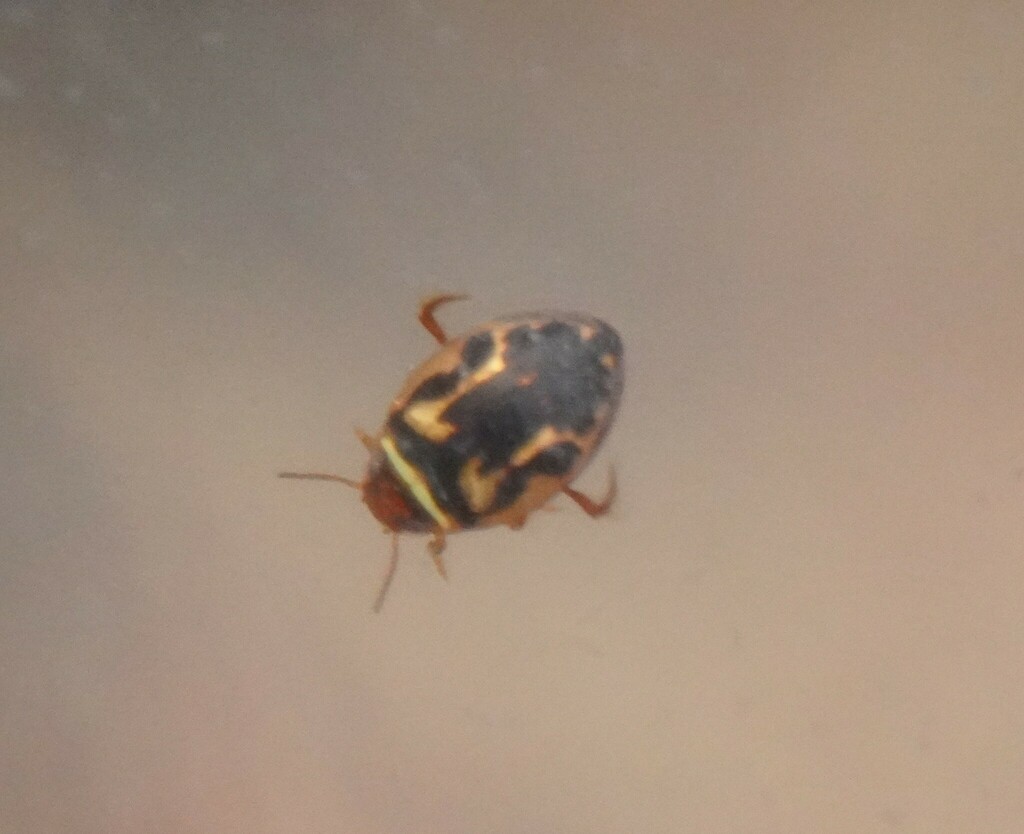
(c) Brenda Black, some rights reserved (CC BY) · licence
Family: Dytiscidae · Class: Insecta · Order: Coleoptera
Conservation status: G2 S2
Hygrotus curvipes (Curved-foot Hygrotus Diving Beetle) is a California animal in the Dytiscidae family.
The curved-foot hygrotus diving beetle is a small aquatic beetle in the family Dytiscidae. As a predaceous diving beetle, this species possesses the characteristic streamlined body shape and powerful swimming legs typical of the family. The species exhibits sexual dimorphism in tarsal structure, with males displaying the curved tarsal segments that give the species its common name. Like other hygrotine beetles, adults likely measure between 2-4 millimeters in length, though specific morphometric data for H. curvipes has not been well documented. This species appears to have a limited distribution, contributing to its conservation concern status. The U.S. Fish and Wildlife Service lists the curved-foot hygrotus diving beetle as a Species of Concern, indicating populations face threats that could warrant federal protection (USFWS ECOS 2025). Based on available records, the species occurs in freshwater habitats within a restricted geographic range, though specific locality data remains limited in published literature. Hygrotus curvipes inhabits freshwater aquatic environments, consistent with other members of the genus. Related species in the Hygrotus genus, such as H. diversipes and H. masculinus, occur in various freshwater systems including ponds, lakes, and slow-moving streams. The curved-foot hygrotus diving beetle likely occupies similar lentic and slow lotic habitats with adequate vegetation and organic substrate. Water quality parameters and specific microhabitat preferences have not been thoroughly studied for this species. As a predaceous diving beetle, H. curvipes functions as both predator and scavenger in aquatic ecosystems. Adults are active swimmers that hunt small invertebrates, while larvae are equally voracious predators that capture prey with powerful mandibles. Like other dytiscids, this species likely completes its life cycle entirely in aquatic habitats, with females depositing eggs on submerged vegetation or substrate. Adults can fly between water bodies, particularly during dispersal periods. Seasonal activity patterns and reproductive timing have not been documented specifically for this species. The curved-foot hygrotus diving beetle carries a global conservation rank of G2, indicating it is imperiled globally with a high risk of extinction due to restricted range, few populations, recent widespread declines, or other factors (NatureServe 2022). In California, the species holds a state rank of S2, reflecting similar conservation concerns at the state level. The Species of Concern designation by USFWS reflects the need for monitoring and potential conservation action, though the species currently lacks federal protection under the Endangered Species Act. Primary threats likely include habitat degradation, water pollution, and hydrological modifications that affect freshwater ecosystems. The restricted distribution and specialized habitat requirements make this species particularly vulnerable to environmental changes. Conservation efforts would benefit from additional research on population status, habitat requirements, and ecological threats to inform effective management strategies.
Classification
Class: Insecta · Order: Coleoptera · Family: Dytiscidae
Conservation status
G2 S2
Frequently asked questions
How is Hygrotus curvipes classified?
Hygrotus curvipes belongs to class Insecta, order Coleoptera, family Dytiscidae.
What family does Hygrotus curvipes belong to?
Hygrotus curvipes is in the Dytiscidae family.
Is Hygrotus curvipes protected or of conservation concern?
Hygrotus curvipes carries the following status: G2 S2.
What is Hygrotus curvipes?
The curved-foot hygrotus diving beetle is a small aquatic beetle in the family Dytiscidae.
Is Hygrotus curvipes found in California?
Yes. Hygrotus curvipes is recorded in California in The California Species Project's catalogue.
Related species
Other California species in the same genus, family, or bioregion.
Data from The California Species Project — 14,000+ California species with verified data from CNPS, CDFW, USFWS, and more.