Hygrotus fontinalis
Travertine Band- Thigh Diving Beetle
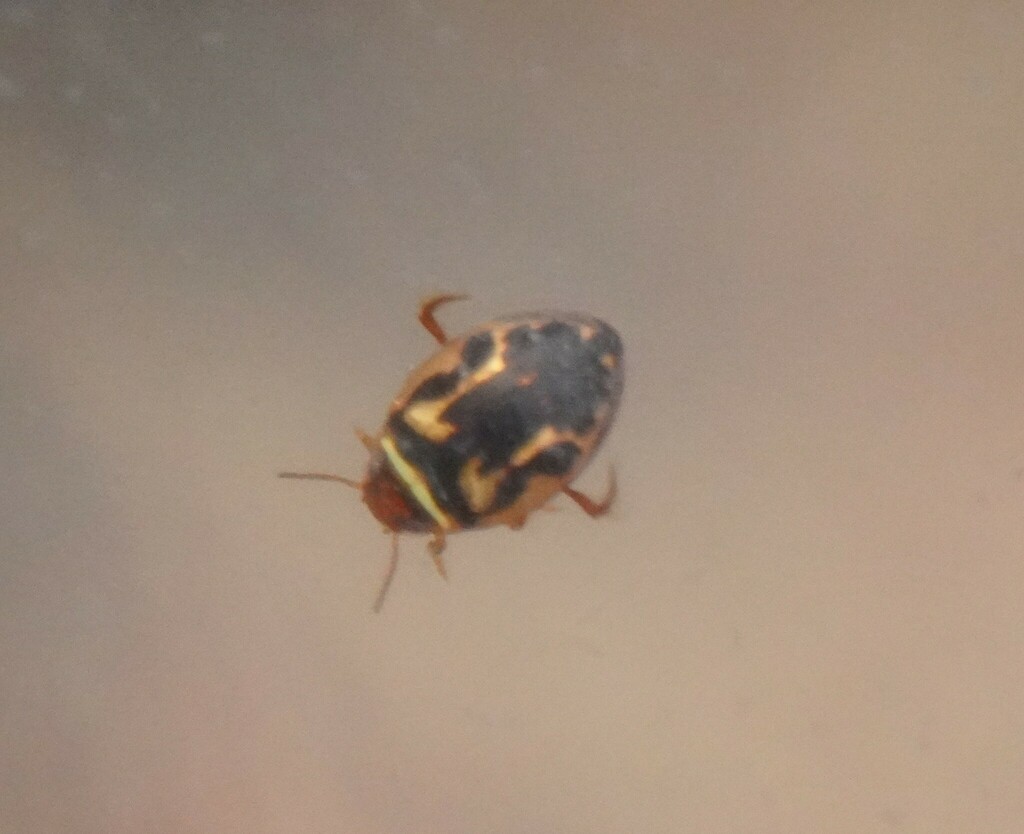
(c) Brenda Black, some rights reserved (CC BY) · licence
Family: Dytiscidae · Class: Insecta · Order: Coleoptera
Conservation status: G1 S1
Hygrotus fontinalis (Travertine Band- Thigh Diving Beetle) is a California animal in the Dytiscidae family.
The Travertine band-thigh diving beetle is a small aquatic beetle endemic to the eastern Sierra Nevada region of California. This species belongs to the family Dytiscidae, commonly known as predaceous diving beetles. Adult beetles typically measure 3-4 millimeters in length and display the characteristic streamlined body shape adapted for aquatic life. The species name "band-thigh" refers to distinctive markings on the femora, though detailed morphological descriptions remain limited in published literature. Hygrotus fontinalis is known exclusively from a highly restricted range in Mono County, California. According to NatureServe, this species occurs in alkaline pools associated with the Travertine Hot Springs, The Hot Springs, Dehy Hot Springs, and Clearwater Creek in the Mono Lake basin. This extremely limited distribution contributes to its global rarity ranking of G1, indicating critical imperilment. The species inhabits alkaline hot springs and associated thermal pools, representing a highly specialized habitat type. These geothermal features create unique aquatic environments characterized by elevated water temperatures, high mineral content, and distinctive chemical conditions. The alkaline nature of these springs, with pH levels typically above neutral, creates conditions that support specialized endemic fauna adapted to these extreme environments. Water temperatures in these thermal features can range from ambient to over 40°C (104°F), though specific thermal tolerances for this species have not been documented. As a member of the Dytiscidae family, Hygrotus fontinalis is presumed to be predaceous, likely feeding on small invertebrates, larvae, and organic matter within its aquatic habitat. Adult diving beetles are strong swimmers, using their modified hind legs as paddles for propulsion underwater. They must surface periodically to renew their air supply, which they store beneath their elytra. Specific details regarding breeding behavior, larval development, and seasonal activity patterns for this species remain undocumented in available scientific literature. The conservation status of Hygrotus fontinalis reflects its extreme rarity and vulnerability. With a Global Rank of G1 and State Rank of S1 in California, this species is considered critically imperiled both globally and within the state. The U.S. Fish and Wildlife Service has included this species in its domestic listing workplan, indicating ongoing evaluation for potential federal protection under the Endangered Species Act. Primary threats to this species include habitat alteration from geothermal development, water diversions, recreational disturbance, and climate change impacts on spring flow and temperature regimes. The species' dependence on a few isolated thermal springs makes it particularly vulnerable to localized disturbances or environmental changes. Given the specialized nature of its habitat and extremely limited range, any significant alteration to the Mono Lake basin's geothermal features could result in population decline or extinction.
Classification
Class: Insecta · Order: Coleoptera · Family: Dytiscidae
Conservation status
G1 S1
Frequently asked questions
How is Hygrotus fontinalis classified?
Hygrotus fontinalis belongs to class Insecta, order Coleoptera, family Dytiscidae.
What family does Hygrotus fontinalis belong to?
Hygrotus fontinalis is in the Dytiscidae family.
Is Hygrotus fontinalis protected or of conservation concern?
Hygrotus fontinalis carries the following status: G1 S1.
What is Hygrotus fontinalis?
The Travertine band-thigh diving beetle is a small aquatic beetle endemic to the eastern Sierra Nevada region of California.
Is Hygrotus fontinalis found in California?
Yes. Hygrotus fontinalis is recorded in California in The California Species Project's catalogue.
Related species
Other California species in the same genus, family, or bioregion.
Data from The California Species Project — 14,000+ California species with verified data from CNPS, CDFW, USFWS, and more.