Hysterocarpus traski
Tule perch
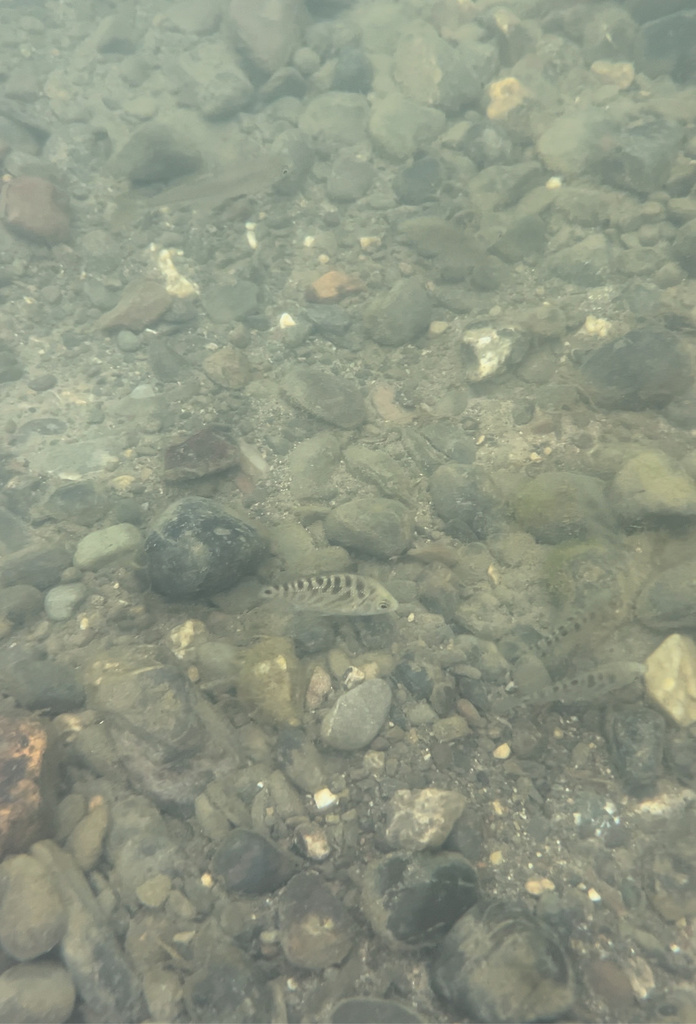
(c) Mike Heine, some rights reserved (CC BY) · licence
Family: Embiotocidae · Class: Actinopterygii · Order: Perciformes
Hysterocarpus traski (Tule perch) is a California animal in the Embiotocidae family.
The tule perch is a small freshwater fish endemic to California, representing the only strictly freshwater member of the surfperch family (Embiotocidae). Adults typically measure 100 to 150 mm (4 to 6 inches) in total length, with a maximum recorded length of 230 mm (9 inches). The body is laterally compressed and oval-shaped, with a relatively deep profile. Coloration varies from olive-green to brownish on the dorsal surface, grading to silvery-white on the sides and ventral areas. Dark vertical bars may be present along the sides, particularly in juveniles. The species exhibits a small, terminal mouth with thick lips and pharyngeal teeth adapted for crushing small invertebrates. Historically, tule perch occupied freshwater habitats throughout the Central Valley and coastal drainages of California, from the Sacramento-San Joaquin Delta system north to Clear Lake and Russian River, and south to the Salinas River system. The species also occurred in isolated populations in Southern California, including the Los Angeles and San Gabriel river systems. Current distribution is significantly reduced, with viable populations remaining primarily in Clear Lake, the Sacramento-San Joaquin Delta, and select tributaries of the Central Valley. Tule perch inhabit slow-moving or still freshwater environments, including lakes, sloughs, backwaters, and heavily vegetated stream margins. The species shows strong association with aquatic vegetation, particularly tule (Scirpus species) stands that provide both cover and feeding opportunities. Water temperatures of 15 to 25°C (59 to 77°F) appear optimal, though the species tolerates seasonal temperature variations. Tule perch prefer areas with soft substrates and moderate depths ranging from 0.5 to 3 meters. As with all surfperches, tule perch are viviparous, giving birth to live young rather than laying eggs. Mating occurs in spring and early summer, with females carrying developing embryos for approximately 10 to 11 months. Broods typically contain 4 to 20 young, with larger females producing more offspring. Juveniles are born at 25 to 30 mm length and reach sexual maturity at 2 to 3 years. The species feeds primarily on small invertebrates, including chironomid larvae, amphipods, and aquatic worms, using its pharyngeal teeth to crush prey items. While not federally or state-listed, tule perch populations have declined significantly due to habitat modification, water diversions, and introduced species competition. The California Department of Fish and Wildlife considers several populations to be of conservation concern. Primary threats include channelization of waterways, agricultural conversion of wetlands, water quality degradation from urban and agricultural runoff, and predation by introduced centrarchid fishes. Climate change poses additional risks through altered precipitation patterns and increased water temperatures that may exceed thermal tolerance limits.
Classification
Class: Actinopterygii · Order: Perciformes · Family: Embiotocidae
Frequently asked questions
How is Hysterocarpus traski classified?
Hysterocarpus traski belongs to class Actinopterygii, order Perciformes, family Embiotocidae.
What family does Hysterocarpus traski belong to?
Hysterocarpus traski is in the Embiotocidae family.
What is Hysterocarpus traski?
The tule perch is a small freshwater fish endemic to California, representing the only strictly freshwater member of the surfperch family (Embiotocidae).
Is Hysterocarpus traski found in California?
Yes. Hysterocarpus traski is recorded in California in The California Species Project's catalogue.
Related species
Other California species in the same genus, family, or bioregion.
Data from The California Species Project — 14,000+ California species with verified data from CNPS, CDFW, USFWS, and more.