Hysterocarpus traskii lagunae
Clear Lake Tule Perch
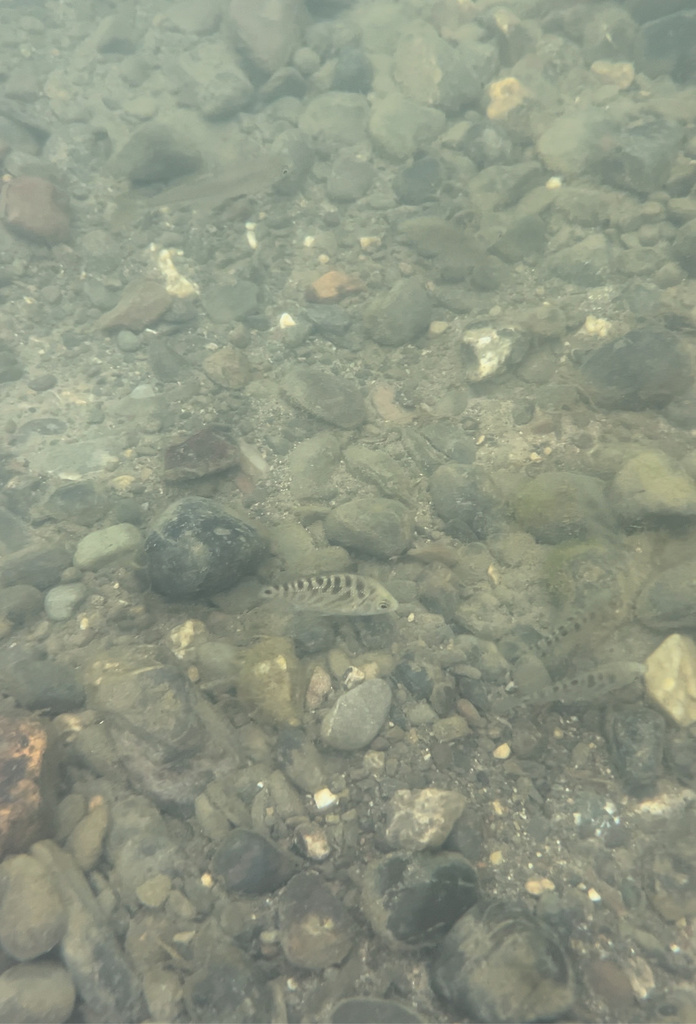
(c) Mike Heine, some rights reserved (CC BY) · licence
Family: Embiotocidae · Class: Actinopterygii · Order: Perciformes
Conservation status: G5T3 S3
Hysterocarpus traskii lagunae (Clear Lake Tule Perch) is a California animal in the Embiotocidae family.
The Clear Lake Tule Perch is a subspecies of the Tule Perch endemic to Clear Lake in Lake County, California. This small freshwater fish belongs to the surfperch family (Embiotocidae), which is unusual as most surfperches are marine species. Adults typically measure 10-15 cm (4-6 inches) in total length. The body is laterally compressed with a deep profile characteristic of the genus Hysterocarpus. Coloration is generally silvery with darker dorsal surfaces and lighter ventral areas. The species can be distinguished from other tule perch subspecies through morphometric characteristics, though detailed morphological differences require technical analysis (Baltz and Moyle 1981). The Clear Lake Tule Perch is endemic to Clear Lake, California's largest natural freshwater lake, located in Lake County. This subspecies was described by Hopkirk in 1968 as one of three recognized subspecies of Hysterocarpus traskii (CDFW). Clear Lake covers approximately 43,785 acres (177 square kilometers) and reaches maximum depths of about 18 meters (60 feet). The lake's relatively shallow, warm waters and extensive littoral zones provide the specific habitat conditions required by this subspecies. This fish inhabits mud- to gravel-bottomed areas of the lake, typically near emergent aquatic vegetation or overhanging terrestrial vegetation (FishBase). The species shows preference for shallow nearshore areas and protected coves where aquatic plants provide cover and foraging opportunities. Clear Lake's warm, productive waters support the diverse invertebrate communities that serve as the primary food source for tule perch. Like other members of the surfperch family, Clear Lake Tule Perch are viviparous, with females carrying developing young internally rather than laying eggs (FishBase). This reproductive strategy is relatively uncommon among freshwater fishes. Males typically mature at smaller sizes than females, and mating occurs during warmer months when food availability is highest. The species feeds primarily on small invertebrates, including aquatic insects, crustaceans, and other zooplankton found among aquatic vegetation. The Clear Lake Tule Perch faces significant conservation challenges. NatureServe lists the subspecies as G5T3 (vulnerable globally for the subspecies), indicating moderate risk of extinction. According to NatureServe Explorer, the subspecies may be presumed extinct in Texas, though this appears to be an error as the species is endemic to California. The primary threats include habitat degradation from agricultural runoff, urban development around Clear Lake, and potential impacts from introduced species. Water level fluctuations due to drought and water management practices may also affect nearshore spawning and nursery habitats. The species' restricted range makes it particularly vulnerable to localized environmental changes. Conservation efforts focus on maintaining water quality in Clear Lake and protecting critical nearshore habitats from further development.
Classification
Class: Actinopterygii · Order: Perciformes · Family: Embiotocidae
Conservation status
G5T3 S3
Frequently asked questions
How is Hysterocarpus traskii lagunae classified?
Hysterocarpus traskii lagunae belongs to class Actinopterygii, order Perciformes, family Embiotocidae.
What family does Hysterocarpus traskii lagunae belong to?
Hysterocarpus traskii lagunae is in the Embiotocidae family.
Is Hysterocarpus traskii lagunae protected or of conservation concern?
Hysterocarpus traskii lagunae carries the following status: G5T3 S3.
What is Hysterocarpus traskii lagunae?
The Clear Lake Tule Perch is a subspecies of the Tule Perch endemic to Clear Lake in Lake County, California.
Is Hysterocarpus traskii lagunae found in California?
Yes. Hysterocarpus traskii lagunae is recorded in California in The California Species Project's catalogue.
Related species
Other California species in the same genus, family, or bioregion.
Data from The California Species Project — 14,000+ California species with verified data from CNPS, CDFW, USFWS, and more.