Icaricia icarioides pheres
Pheres Blue Butterfly
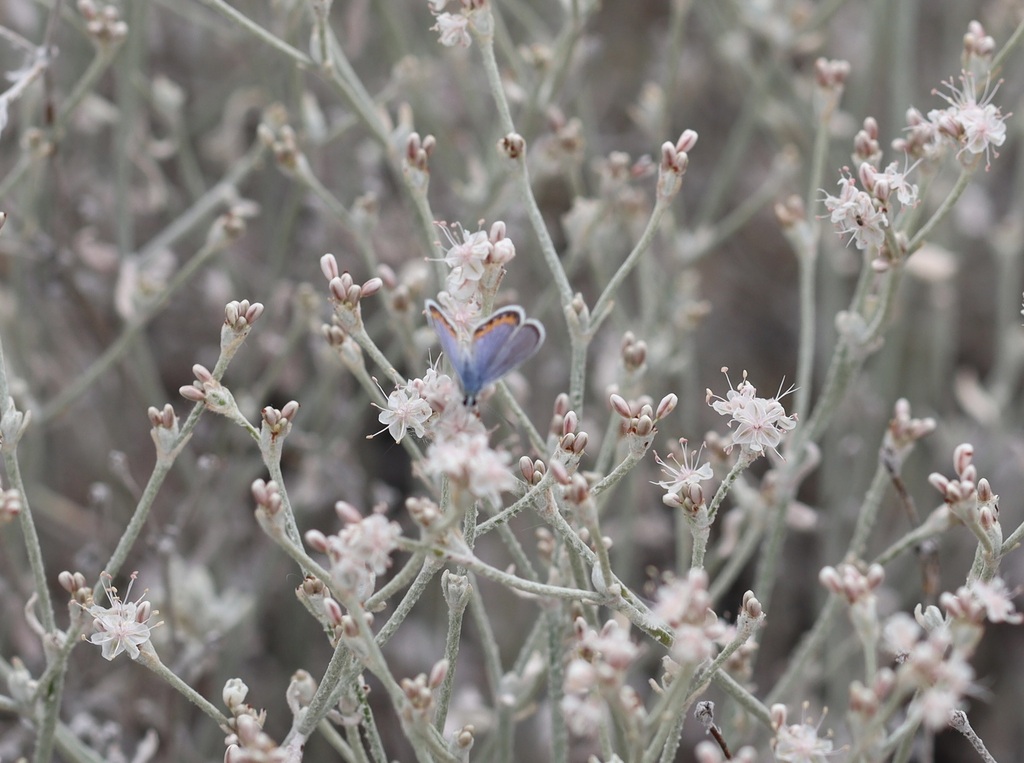
no rights reserved · CC0
Family: Lycaenidae · Class: Insecta · Order: Lepidoptera
Conservation status: G5TX SX
Icaricia icarioides pheres (Pheres Blue Butterfly) is a California animal in the Lycaenidae family.
The Pheres blue butterfly (Icaricia icarioides pheres) was a subspecies of the widespread Boisduval's blue butterfly endemic to the San Francisco Bay Area of California. This small lycaenid butterfly was distinguished by extremely pale ventral wing surfaces, contrasting with the darker markings typical of inland populations of the species complex. Males displayed the characteristic blue dorsal coloration with black borders and white fringes typical of the genus, while females were brown with orange markings. Historically, the Pheres blue was restricted to a very limited range within San Francisco County, California. The subspecies inhabited the coastal sand dune ecosystem of San Francisco, particularly in areas that would later become the Sunset District. This represented one of the major coastal dune ecosystems in western North America before urbanization. The butterfly's range was geographically isolated from other subspecies of Icaricia icarioides, including the closely related Mission blue (I. i. missionensis) found on Twin Peaks, only a few miles away. The Pheres blue occupied coastal sand dune habitat characterized by native dune vegetation. This ecosystem supported a unique assemblage of endemic species adapted to the specific conditions of fog, wind, and sandy soils typical of the San Francisco peninsula's coastal environment. The butterfly's habitat requirements were apparently quite specialized, as evidenced by its restricted distribution even within the broader dune system. Like other members of the Icaricia icarioides complex, the Pheres blue likely had a single annual generation with adults flying during spring and early summer months. The species presumably fed on native legumes as larvae, consistent with the host plant preferences documented for related subspecies. Adults would have been active during daylight hours, seeking nectar from available flowering plants within the dune ecosystem. The Pheres blue butterfly is extinct, having disappeared by the late 1940s or early 1950s according to NatureServe. The subspecies holds the unfortunate distinction of being one of three dune butterflies endemic to San Francisco that became extinct due to complete habitat loss from urbanization, along with Cercyonis sthenele sthenele and the famous Xerces blue (Glaucopsyche xerces). The Lepidopterists' Society documented this dramatic decline in their 1956 article 'San Francisco's Vanishing Butterflies,' noting that the butterfly had been the most characteristic species of the Sunset District's coastal sand dunes before complete settlement eliminated its habitat. The global rank of G5TX indicates the subspecies is extinct, while the parent species Icaricia icarioides remains secure with over 1,900 documented occurrences range-wide. The extinction of the Pheres blue represents a significant loss of California's lepidopteran biodiversity and serves as an early example of urban development causing subspecies extinction.
Classification
Class: Insecta · Order: Lepidoptera · Family: Lycaenidae
Conservation status
G5TX SX
Frequently asked questions
How is Icaricia icarioides pheres classified?
Icaricia icarioides pheres belongs to class Insecta, order Lepidoptera, family Lycaenidae.
What family does Icaricia icarioides pheres belong to?
Icaricia icarioides pheres is in the Lycaenidae family.
Is Icaricia icarioides pheres protected or of conservation concern?
Icaricia icarioides pheres carries the following status: G5TX SX.
What is Icaricia icarioides pheres?
The Pheres blue butterfly (Icaricia icarioides pheres) was a subspecies of the widespread Boisduval's blue butterfly endemic to the San Francisco Bay Area of California.
Is Icaricia icarioides pheres found in California?
Yes. Icaricia icarioides pheres is recorded in California in The California Species Project's catalogue.
Related species
Other California species in the same genus, family, or bioregion.
Data from The California Species Project — 14,000+ California species with verified data from CNPS, CDFW, USFWS, and more.