Ictalurus pricei
Yaqui catfish
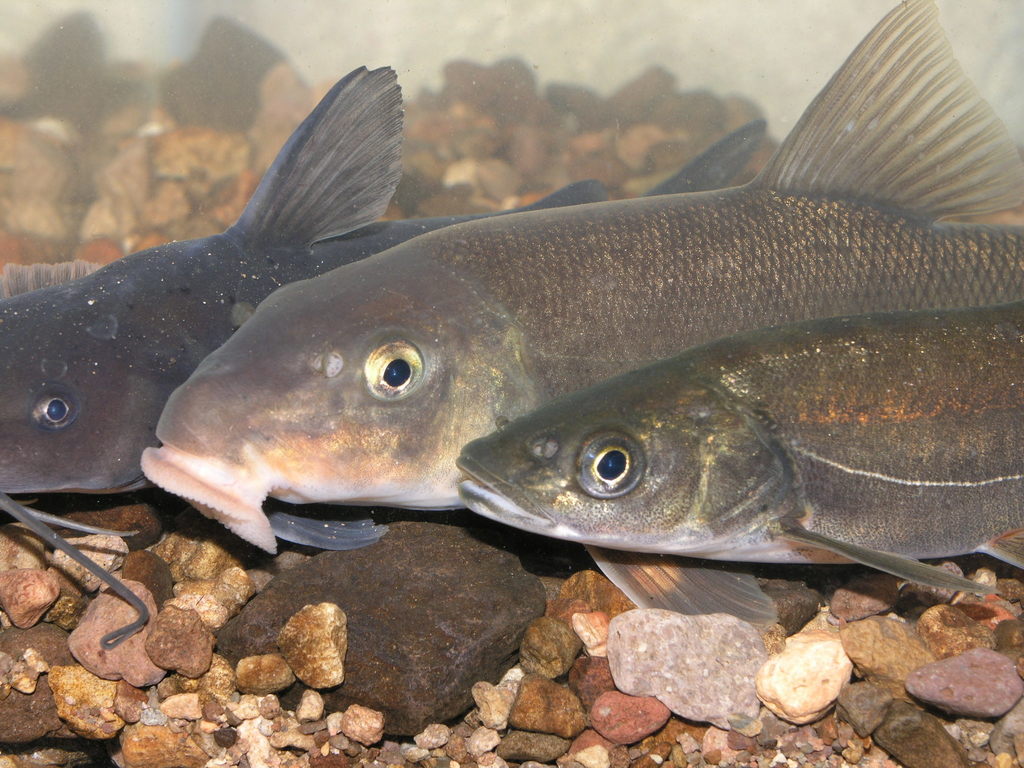
(c) Jacob Malcom, some rights reserved (CC BY-SA) · licence
Family: Ictaluridae · Class: Actinopterygii · Order: Siluriformes
Conservation status: Threatened
Ictalurus pricei (Yaqui catfish) is a California animal in the Ictaluridae family.
The Yaqui catfish is a medium to large freshwater fish of the family Ictaluridae, distinguished by the iconic whiskers or barbels near its mouth. This species is the only native catfish found west of the Continental Divide in North America, making it geographically unique among the approximately 40 catfish species on the continent. Adults typically reach substantial size, though specific length and weight measurements have not been well documented in the scientific literature. Historically, the Yaqui catfish was described from San Bernardino Creek just south of the Arizona-Sonora border by C. Girard in 1856 and later documented by C. Rutter in 1896 (USFWS). The species' range extends from Arizona into Mexico, specifically within the Rio Yaqui basin system. Current distribution appears significantly reduced from historical levels, with populations now restricted to isolated stream segments. Yaqui catfish inhabit areas of large streams characterized by medium to slow current velocities (USFWS). The species requires flowing water systems with appropriate substrate and cover, typically found in deeper pools and runs of permanent streams. Specific elevation ranges and detailed microhabitat requirements have not been comprehensively documented, representing a significant knowledge gap for this threatened species. As members of the Ictaluridae family, Yaqui catfish are presumed to be opportunistic bottom feeders, though detailed dietary studies are lacking. Reproductive behavior, spawning timing, and clutch characteristics remain poorly documented. Like other ictalurid species, they likely exhibit parental care and seasonal breeding patterns, but species-specific information is limited. The Yaqui catfish was federally listed as threatened on August 31, 1984, reflecting significant population declines and habitat degradation (USFWS Recovery Report 2013-2014). The species faces severe conservation challenges, primarily from habitat modification, water diversions, and hybridization with introduced channel catfish (Ictalurus punctatus). Recent genetic studies have confirmed hybridization between Yaqui catfish and channel catfish in northwestern Mexico, representing a major threat to species integrity (Gutiérrez-Barragán et al. 2021). Blue catfish (Ictalurus furcatus) also pose hybridization risks to the species. The U.S. Fish and Wildlife Service continues to evaluate the species' status, with the Yaqui catfish included in the National Domestic Listing Workplan for fiscal years 2024-2028, indicating ongoing conservation priority. Recovery efforts focus on habitat protection, water management coordination, and controlling introduced catfish species that threaten genetic integrity through hybridization. Population trends remain uncertain due to limited monitoring data, but the species is considered stable in some assessments, though this may not reflect actual population health given the numerous threats. Detailed ecological studies and population monitoring are critically needed to develop effective conservation strategies for this unique southwestern catfish species.
Classification
Class: Actinopterygii · Order: Siluriformes · Family: Ictaluridae
Conservation status
Threatened
Frequently asked questions
How is Ictalurus pricei classified?
Ictalurus pricei belongs to class Actinopterygii, order Siluriformes, family Ictaluridae.
What family does Ictalurus pricei belong to?
Ictalurus pricei is in the Ictaluridae family.
Is Ictalurus pricei protected or of conservation concern?
Ictalurus pricei carries the following status: Threatened.
What is Ictalurus pricei?
The Yaqui catfish is a medium to large freshwater fish of the family Ictaluridae, distinguished by the iconic whiskers or barbels near its mouth.
Is Ictalurus pricei found in California?
Yes. Ictalurus pricei is recorded in California in The California Species Project's catalogue.
Related species
Other California species in the same genus, family, or bioregion.
Data from The California Species Project — 14,000+ California species with verified data from CNPS, CDFW, USFWS, and more.