Idaea bonifata
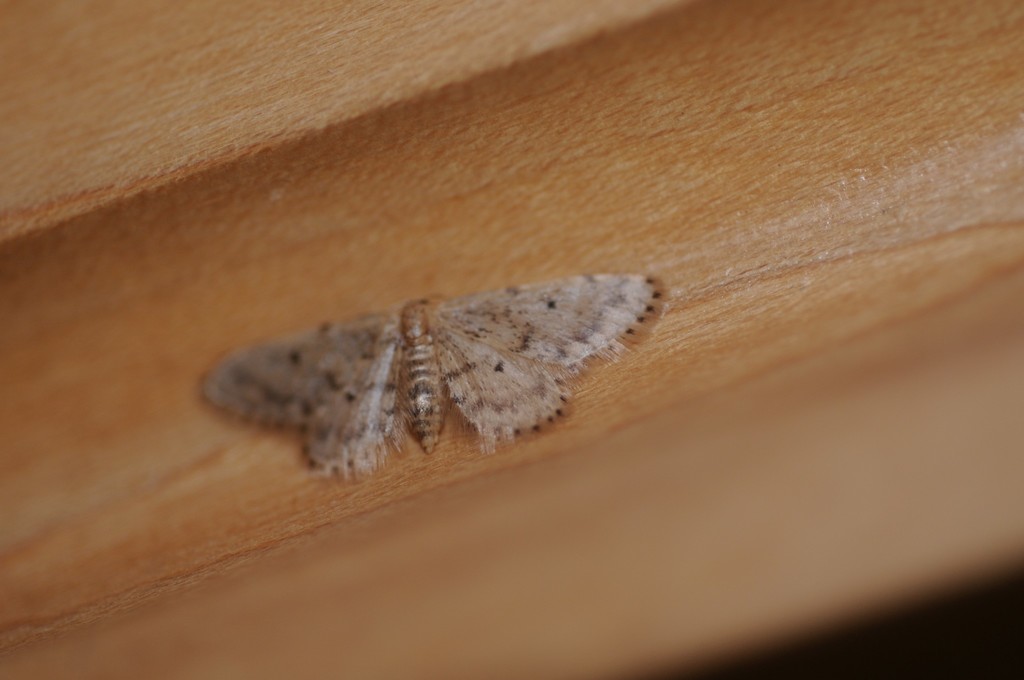
(c) Hawk T., some rights reserved (CC BY) · licence
Family: Geometridae · Class: Insecta · Order: Lepidoptera
Idaea bonifata is a California animal in the Geometridae family.
Idaea bonifata is a small moth species in the family Geometridae, commonly known as geometrid moths or inchworm moths. This species belongs to the genus Idaea, which comprises numerous small, delicately-built moths characterized by their relatively broad wings and slender bodies. Adult moths typically measure 15 to 20 mm in wingspan, with forewings displaying subtle earth-toned coloration patterns that provide effective camouflage against bark and leaf surfaces. The current distribution of Idaea bonifata remains poorly documented in scientific literature, with limited occurrence records available through standard taxonomic databases. The species appears to have a restricted range, though specific locality data and geographic boundaries require further field survey work to establish definitively. Most geometrid moths in the genus Idaea occupy specialized ecological niches, suggesting this species likely maintains specific habitat requirements that limit its distribution. Habitat preferences for Idaea bonifata are not well-documented in available literature, though related species in the genus typically inhabit areas with diverse plant communities that support their larval host plants. Geometrid larvae are generally foliage feeders, and adult moths are often associated with woodland edges, scrublands, or areas with mixed vegetation types. The species likely requires specific plant associations for successful reproduction, as larval development depends on appropriate host plant availability. Like other Geometridae family members, Idaea bonifata likely exhibits typical geometrid life cycle patterns. Adult moths are presumed to be nocturnal, with peak activity occurring during evening and nighttime hours. Larvae, commonly called inchworms or loopers, move in a characteristic arching motion due to their reduced number of prolegs. The species probably undergoes complete metamorphosis with egg, larval, pupal, and adult stages. Breeding timing and voltinism patterns remain undocumented, though many geometrid species in temperate regions complete one to two generations annually. The conservation status of Idaea bonifata has not been formally evaluated by major conservation organizations. No federal or state listing status has been assigned to this species, and it does not appear on International Union for Conservation of Nature Red List assessments. The apparent lack of recent collection records and limited distribution data suggests the species may be either naturally rare, taxonomically problematic, or potentially extirpated from previously occupied habitats. Climate change, habitat fragmentation, and urban development pose potential threats to specialized moth species with narrow ecological requirements. Further taxonomic research and field surveys are needed to clarify the species' current status, distribution, and ecological requirements. The paucity of available information highlights the broader challenge of documenting and conserving lesser-known invertebrate species, particularly small moths that may play important ecological roles as pollinators and components of food webs despite receiving limited scientific attention.
Classification
Class: Insecta · Order: Lepidoptera · Family: Geometridae
Frequently asked questions
How is Idaea bonifata classified?
Idaea bonifata belongs to class Insecta, order Lepidoptera, family Geometridae.
What family does Idaea bonifata belong to?
Idaea bonifata is in the Geometridae family.
What is Idaea bonifata?
Idaea bonifata is a small moth species in the family Geometridae, commonly known as geometrid moths or inchworm moths.
Is Idaea bonifata found in California?
Yes. Idaea bonifata is recorded in California in The California Species Project's catalogue.
Related species
Other California species in the same genus, family, or bioregion.
Data from The California Species Project — 14,000+ California species with verified data from CNPS, CDFW, USFWS, and more.