Idaea eremiata
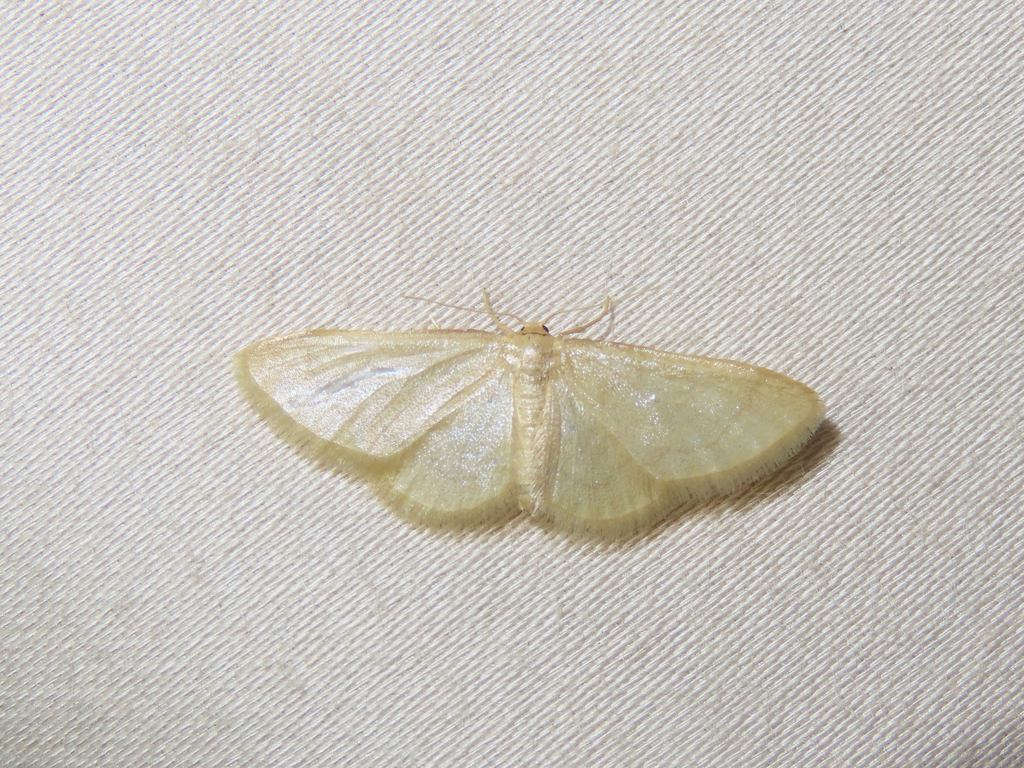
(c) Alina Martin, some rights reserved (CC BY) · licence
Family: Geometridae · Class: Insecta · Order: Lepidoptera
Idaea eremiata is a California animal in the Geometridae family.
Idaea eremiata is a small moth species belonging to the Geometridae family, commonly known as geometer moths or inch-worms. This species represents one of many moths in the diverse genus Idaea, which includes numerous small, often pale-colored species distributed across various geographic regions. The physical characteristics of I. eremiata follow the typical body plan of geometrid moths, with a slender body and relatively broad wings for its size. Like other members of the Idaea genus, adults likely measure 15-25 mm in wingspan, though specific measurements for this species require verification. The wing patterns and coloration details for I. eremiata are not well-documented in readily accessible literature, which is common for many smaller moth species that have received limited taxonomic attention. The geographic range and distribution of Idaea eremiata remain poorly defined in current scientific literature. The species name 'eremiata' derives from Latin, potentially referring to desert or arid habitats, though this etymological connection does not definitively indicate the species' preferred environment. Without verified occurrence records, the specific geographic distribution within California or other regions cannot be accurately stated. Habitat preferences for I. eremiata are not well-established in available sources. Many Idaea species occupy diverse habitats including grasslands, shrublands, and forest edges, often associated with low-growing herbaceous plants that serve as larval host plants. The larvae of geometrid moths typically feed on various plant species, and their feeding behavior gives rise to the common name 'inchworm' due to their characteristic looping locomotion. Ecological information specific to I. eremiata is limited in current literature. Most geometrid moths are nocturnal and attracted to artificial lights. Adults typically have one or more generations per year, depending on climate and geographic location. Larvae pupate either in soil or in loose cocoons attached to vegetation or debris. The specific host plants, breeding season, and number of annual generations for this species require further research and documentation. The conservation status of Idaea eremiata cannot be assessed due to insufficient data regarding its distribution, population size, and habitat requirements. This species, like many smaller moth species, may be subject to data deficiency issues that prevent accurate status assessment. Many geometrid moths face potential threats from habitat loss, light pollution that disrupts nocturnal behavior, and climate change effects on host plant availability and phenology. However, without verified population data and distribution information, specific conservation concerns for I. eremiata cannot be determined. The taxonomic status and species validity of I. eremiata may require verification through modern molecular and morphological studies, as historical moth taxonomy sometimes included species that are now considered synonyms or require reclassification. Further research is needed to establish the species' distribution, ecology, and conservation requirements.
Classification
Class: Insecta · Order: Lepidoptera · Family: Geometridae
Frequently asked questions
How is Idaea eremiata classified?
Idaea eremiata belongs to class Insecta, order Lepidoptera, family Geometridae.
What family does Idaea eremiata belong to?
Idaea eremiata is in the Geometridae family.
What is Idaea eremiata?
Idaea eremiata is a small moth species belonging to the Geometridae family, commonly known as geometer moths or inch-worms.
Is Idaea eremiata found in California?
Yes. Idaea eremiata is recorded in California in The California Species Project's catalogue.
Related species
Other California species in the same genus, family, or bioregion.
Data from The California Species Project — 14,000+ California species with verified data from CNPS, CDFW, USFWS, and more.