Idia americalis
American Idia Moth
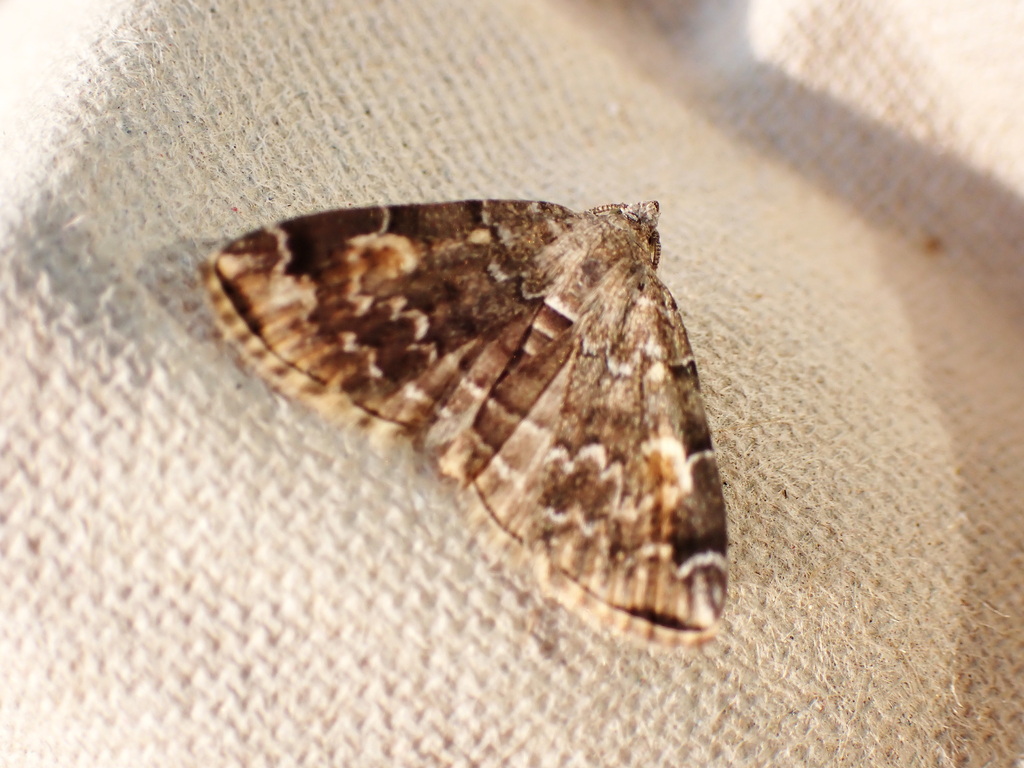
(c) Susan Blayney, some rights reserved (CC BY) · licence
Family: Erebidae · Class: Insecta · Order: Lepidoptera
Idia americalis (American Idia Moth) is a California animal in the Erebidae family.
The American Idia Moth (Idia americalis) is a small moth in the family Erebidae, subfamily Herminiinae. Adults have a wingspan ranging from 16 to 20 millimeters (0.6 to 0.8 inches). The forewings are brownish-gray with darker brown markings, including distinctive wavy transverse lines and a prominent reniform spot. The hindwings are lighter grayish-brown with less distinct markings. The species can be distinguished from related Idia species by its smaller size and specific wing pattern characteristics, including the shape and positioning of the postmedial line on the forewings. Idia americalis occurs across much of North America, with records from southeastern Canada south to Florida and west to the Great Plains. In California, the species has been documented primarily in northern counties, though specific distribution records within the state are limited in published literature. The species appears to have a patchy distribution pattern typical of many small moth species with specific habitat requirements. The American Idia Moth inhabits deciduous and mixed forests, particularly areas with dense understory vegetation. Adults are typically found in moist woodland environments where organic matter accumulates. The species shows a preference for areas with decaying leaf litter and fallen logs, which support the decomposer organisms that larvae likely feed upon. Elevation preferences and specific microhabitat requirements within California forests remain poorly documented. Adult American Idia Moths are nocturnal and are attracted to artificial lights. Flight period varies by latitude but generally extends from late spring through early fall, with multiple generations possible in warmer regions. Larvae are believed to feed on fungal material, decaying organic matter, or possibly detritus, though specific larval biology remains incompletely understood. This feeding ecology places the species within the broader group of detritivorous Lepidoptera that play roles in forest nutrient cycling. Mating behavior and oviposition sites have not been thoroughly studied for this species. The American Idia Moth currently holds no federal or state conservation listing status and is not considered a species of special concern. Population trends are unknown due to limited systematic monitoring of small moth species. The species may face habitat pressures from forest management practices that remove deadwood and leaf litter, as these materials likely support the decomposer communities upon which larvae depend. Climate change impacts on deciduous forest ecosystems could potentially affect this species through altered moisture regimes and organic matter decomposition rates. More research is needed to understand population status, specific habitat requirements, and potential conservation needs for this understudied moth species.
Classification
Class: Insecta · Order: Lepidoptera · Family: Erebidae
Frequently asked questions
How is Idia americalis classified?
Idia americalis belongs to class Insecta, order Lepidoptera, family Erebidae.
What family does Idia americalis belong to?
Idia americalis is in the Erebidae family.
What is Idia americalis?
The American Idia Moth (Idia americalis) is a small moth in the family Erebidae, subfamily Herminiinae.
Is Idia americalis found in California?
Yes. Idia americalis is recorded in California in The California Species Project's catalogue.
Related species
Other California species in the same genus, family, or bioregion.
Data from The California Species Project — 14,000+ California species with verified data from CNPS, CDFW, USFWS, and more.