Inga concolorella
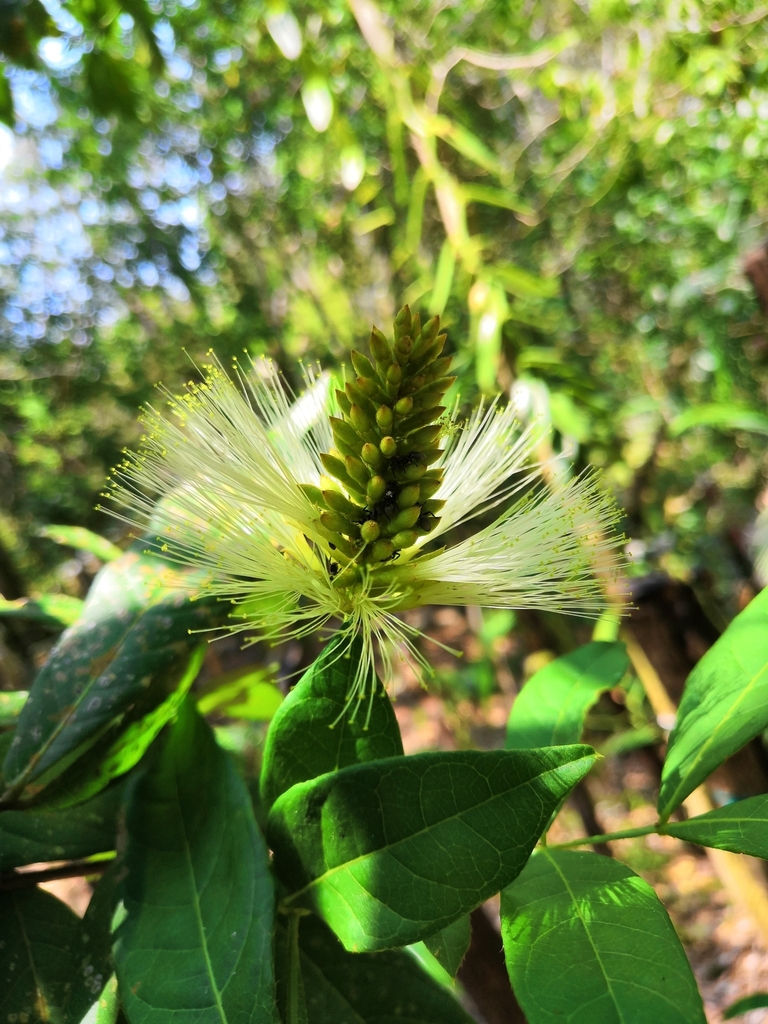
no rights reserved · CC0
Family: Oecophoridae · Class: Insecta · Order: Lepidoptera
Inga concolorella is a California animal in the Oecophoridae family.
Inga concolorella is a moth species in the family Oecophoridae, a diverse group of concealer moths found primarily in Australia and other regions. This species belongs to the order Lepidoptera, which encompasses all butterflies and moths. The genus Inga contains numerous species of small to medium-sized moths, many of which remain poorly documented in scientific literature. Limited information is available regarding the physical characteristics of I. concolorella. Like other members of the Oecophoridae family, this species likely exhibits the typical concealer moth morphology, with narrow forewings and reduced hindwings. Adult moths in this family generally measure 10 to 20 millimeters (0.4 to 0.8 inches) in wingspan, though specific measurements for I. concolorella have not been documented. The wing coloration and patterns that would distinguish this species from related taxa remain undescribed in accessible literature. The geographic distribution of Inga concolorella is not well-established in current taxonomic databases. Many Oecophoridae species have restricted ranges, often endemic to specific geographic regions or habitat types. Without comprehensive distributional data, the range of this species cannot be accurately described. Field surveys and taxonomic studies would be necessary to determine whether I. concolorella occurs in California or other regions. Habitat requirements for I. concolorella remain unknown. Oecophoridae moths typically inhabit diverse environments, from arid shrublands to forested areas. Larvae of many species in this family are concealer feeders, living within rolled leaves, stems, or other plant structures. Some species are associated with specific host plants, while others demonstrate broader feeding preferences. The microhabitat requirements, elevation range, and vegetation associations for I. concolorella have not been documented. The life history and ecological characteristics of Inga concolorella are not described in available literature. Oecophoridae moths generally undergo complete metamorphosis, with egg, larval, pupal, and adult stages. Larvae typically feed on plant material, either as leaf miners, stem borers, or external feeders on foliage. Adult flight periods, mating behaviors, and reproductive strategies vary considerably among species in this family. Many concealer moths are nocturnal, attracted to artificial lights during evening hours. The conservation status of Inga concolorella cannot be assessed due to insufficient biological and distributional data. The species does not appear on federal or state endangered species lists, nor is it evaluated by the International Union for Conservation of Nature. This absence from conservation databases likely reflects the limited taxonomic knowledge rather than actual conservation security. Many invertebrate species, particularly moths, remain inadequately studied and may face undocumented population declines due to habitat loss, climate change, or other anthropogenic factors. Comprehensive taxonomic research and field surveys would be necessary to determine the current status and conservation needs of I. concolorella.
Classification
Class: Insecta · Order: Lepidoptera · Family: Oecophoridae
Frequently asked questions
How is Inga concolorella classified?
Inga concolorella belongs to class Insecta, order Lepidoptera, family Oecophoridae.
What family does Inga concolorella belong to?
Inga concolorella is in the Oecophoridae family.
What is Inga concolorella?
Inga concolorella is a moth species in the family Oecophoridae, a diverse group of concealer moths found primarily in Australia and other regions.
Is Inga concolorella found in California?
Yes. Inga concolorella is recorded in California in The California Species Project's catalogue.
Related species
Other California species in the same genus, family, or bioregion.
Data from The California Species Project — 14,000+ California species with verified data from CNPS, CDFW, USFWS, and more.