Ipnobius robustus
Robust Tryonia
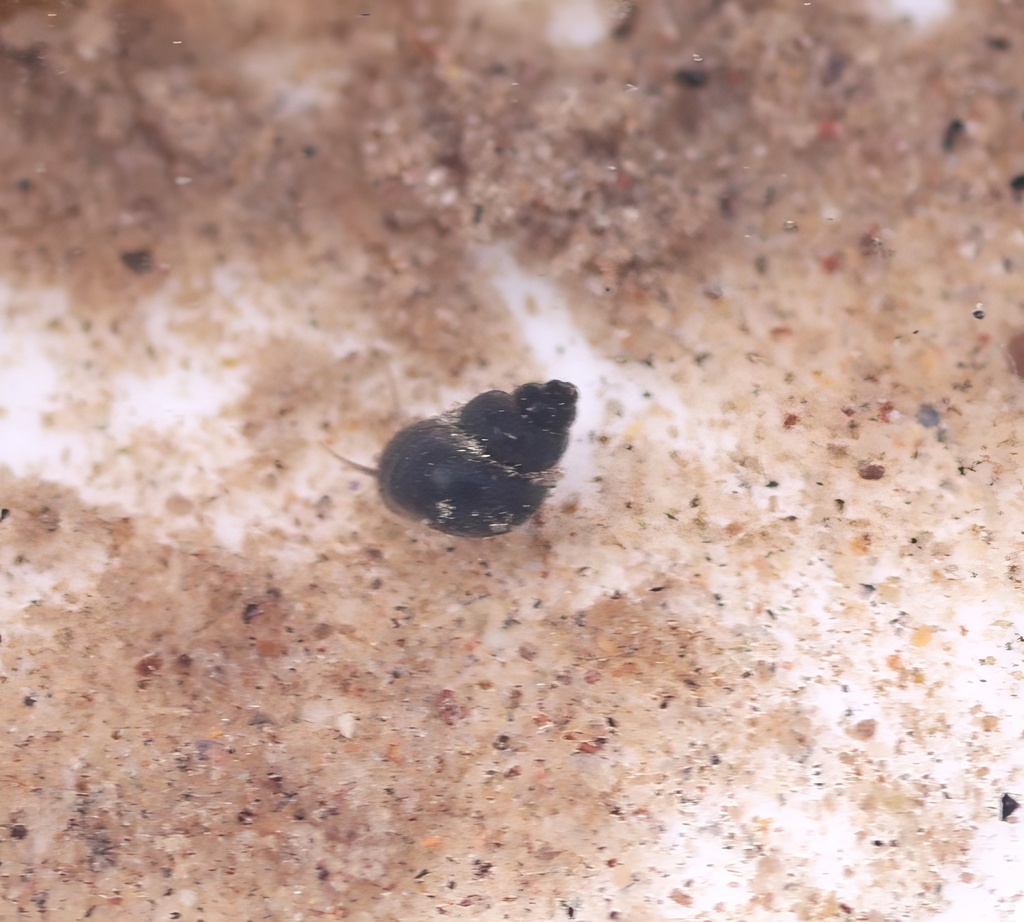
(c) nmoorhatch, some rights reserved (CC BY) · licence
Family: Hydrobiidae · Class: Gastropoda · Order: Neotaenioglossa
Conservation status: G1G2 S1
Ipnobius robustus (Robust Tryonia) is a California animal in the Hydrobiidae family.
The Robust Tryonia (Ipnobius robustus) is a small freshwater gastropod mollusk endemic to California. This aquatic snail belongs to the family Hydrobiidae and represents one of the state's rarest invertebrate species. Adult shells typically measure less than 5 millimeters (0.2 inches) in length and display the characteristic conical shape common to hydrobiid snails. The shell surface exhibits fine growth lines and may show variable coloration from translucent white to light brown. The Robust Tryonia has an extremely limited distribution, occurring only in specific spring systems within California. The species' range is restricted to isolated freshwater habitats, making it particularly vulnerable to environmental changes. Historical records indicate the species may have occupied additional locations, but current populations appear to be confined to a small number of sites. This species inhabits freshwater spring systems and associated aquatic environments. Robust Tryonia requires clean, well-oxygenated water with stable temperatures and flow conditions. The snails are typically found among aquatic vegetation, detritus, and algal mats in shallow areas of springs and spring-fed streams. Water quality parameters appear critical to the species' survival, with populations sensitive to changes in temperature, dissolved oxygen, and chemical composition. Like other hydrobiid snails, the Robust Tryonia feeds primarily on algae, bacteria, and organic detritus. The species exhibits typical gastropod reproductive behavior, with individuals likely capable of both sexual and asexual reproduction. Life cycle details remain poorly documented, but related species typically produce small clutches of eggs attached to submerged substrates. The snails are active year-round in their spring habitats, where water temperatures remain relatively stable. The Robust Tryonia carries a Global/State Rank of G1G2 S1, indicating it is critically imperiled both globally and within California. This ranking reflects the species' extremely small population size and highly restricted range. Primary threats include habitat degradation, water diversions, groundwater pumping, and potential contamination of spring systems. The species' dependence on specific spring environments makes it particularly vulnerable to drought conditions and human water management activities. Climate change poses additional risks through potential alterations to groundwater recharge patterns and spring flow rates. Conservation efforts for the Robust Tryonia face significant challenges due to limited knowledge of the species' ecology and distribution. The small population size and restricted habitat make the species vulnerable to extinction from single catastrophic events. Protection of remaining spring habitats and maintenance of natural hydrological processes are essential for the species' persistence. Additional research is needed to better understand population dynamics, habitat requirements, and potential threats to inform effective conservation strategies.
Classification
Class: Gastropoda · Order: Neotaenioglossa · Family: Hydrobiidae
Conservation status
G1G2 S1
Frequently asked questions
How is Ipnobius robustus classified?
Ipnobius robustus belongs to class Gastropoda, order Neotaenioglossa, family Hydrobiidae.
What family does Ipnobius robustus belong to?
Ipnobius robustus is in the Hydrobiidae family.
Is Ipnobius robustus protected or of conservation concern?
Ipnobius robustus carries the following status: G1G2 S1.
What is Ipnobius robustus?
The Robust Tryonia (Ipnobius robustus) is a small freshwater gastropod mollusk endemic to California.
Is Ipnobius robustus found in California?
Yes. Ipnobius robustus is recorded in California in The California Species Project's catalogue.
Related species
Other California species in the same genus, family, or bioregion.
Data from The California Species Project — 14,000+ California species with verified data from CNPS, CDFW, USFWS, and more.