Iridopsis emasculatum
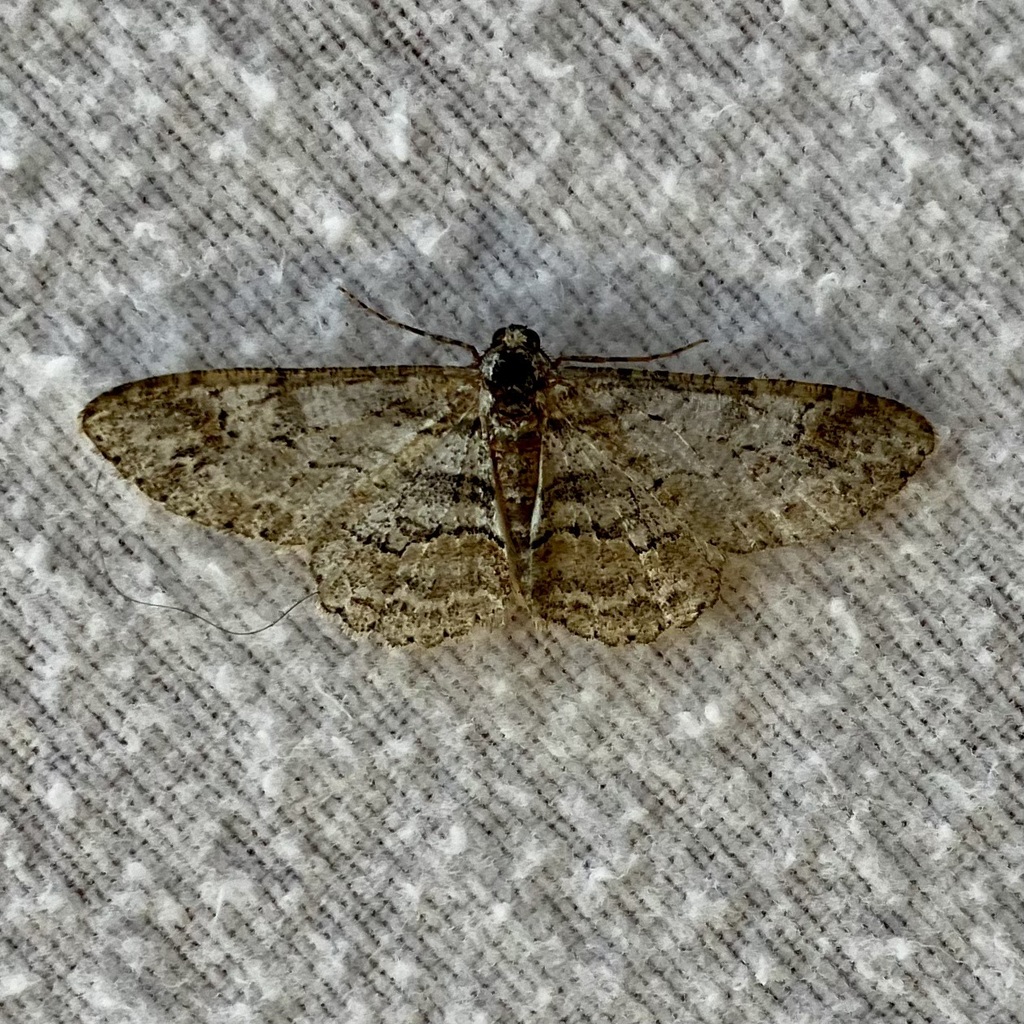
no rights reserved · CC0
Family: Geometridae · Class: Insecta · Order: Lepidoptera
Iridopsis emasculatum is a California animal in the Geometridae family.
Iridopsis emasculatum is a moth species in the family Geometridae, commonly known as geometrid moths or inchworms. This species was first described by Dyar in 1904 and is assigned Hodges number 6589 in the standard North American moth classification system (BugGuide). The physical characteristics and detailed morphology of this species have not been extensively documented in the available scientific literature. The distribution and range of I. emasculatum within California and North America remain poorly documented. While the species is recognized in the U.S. Fish and Wildlife Service taxonomic database, specific geographic occurrence data and county-level distribution records are not readily available in current databases. The species appears to be present in North America based on its inclusion in the Butterflies and Moths of North America (BAMONA) database, but detailed range maps and occurrence records require further documentation. Habitat requirements and ecological preferences for I. emasculatum have not been well characterized in the scientific literature. As a member of the Geometridae family, this species likely follows the general life history pattern typical of geometrid moths, which often have larvae that feed on various plant species and develop through complete metamorphosis. However, specific host plant associations, preferred vegetation types, elevation ranges, and microhabitat requirements remain undocumented for this particular species. Behavioral and ecological information for I. emasculatum is extremely limited. Geometridae larvae are typically known as inchworms or loopers due to their characteristic method of locomotion, arching their bodies as they move. Adult moths in this family are generally nocturnal and attracted to artificial lights. Flight periods, mating behaviors, reproductive cycles, and specific dietary preferences for both larval and adult stages have not been documented for I. emasculatum. The species' role in local ecosystems and interactions with other organisms remain unstudied. The conservation status of I. emasculatum has not been formally evaluated. The species does not appear on federal or state endangered species lists, nor does it have a NatureServe conservation rank assigned. Population trends, distribution changes, and potential threats are unknown due to insufficient survey data and taxonomic research. The apparent lack of recent collection records or observational data in citizen science databases such as iNaturalist suggests either genuine rarity, identification challenges, or insufficient survey effort for this species. Scientific documentation for this species remains extremely limited despite its formal taxonomic recognition. The information presented here is based on available sources including the U.S. Fish and Wildlife Service taxonomic database, BugGuide, and the Butterflies and Moths of North America project. Detailed ecological studies, distribution surveys, and life history research are needed to better understand this species' biology, habitat requirements, and conservation needs. We welcome contributions of verified scientific data, photographs, or field observations to enhance this species account.
Classification
Class: Insecta · Order: Lepidoptera · Family: Geometridae
Frequently asked questions
How is Iridopsis emasculatum classified?
Iridopsis emasculatum belongs to class Insecta, order Lepidoptera, family Geometridae.
What family does Iridopsis emasculatum belong to?
Iridopsis emasculatum is in the Geometridae family.
What is Iridopsis emasculatum?
Iridopsis emasculatum is a moth species in the family Geometridae, commonly known as geometrid moths or inchworms.
Is Iridopsis emasculatum found in California?
Yes. Iridopsis emasculatum is recorded in California in The California Species Project's catalogue.
Related species
Other California species in the same genus, family, or bioregion.
Data from The California Species Project — 14,000+ California species with verified data from CNPS, CDFW, USFWS, and more.