Iridopsis sanctissima
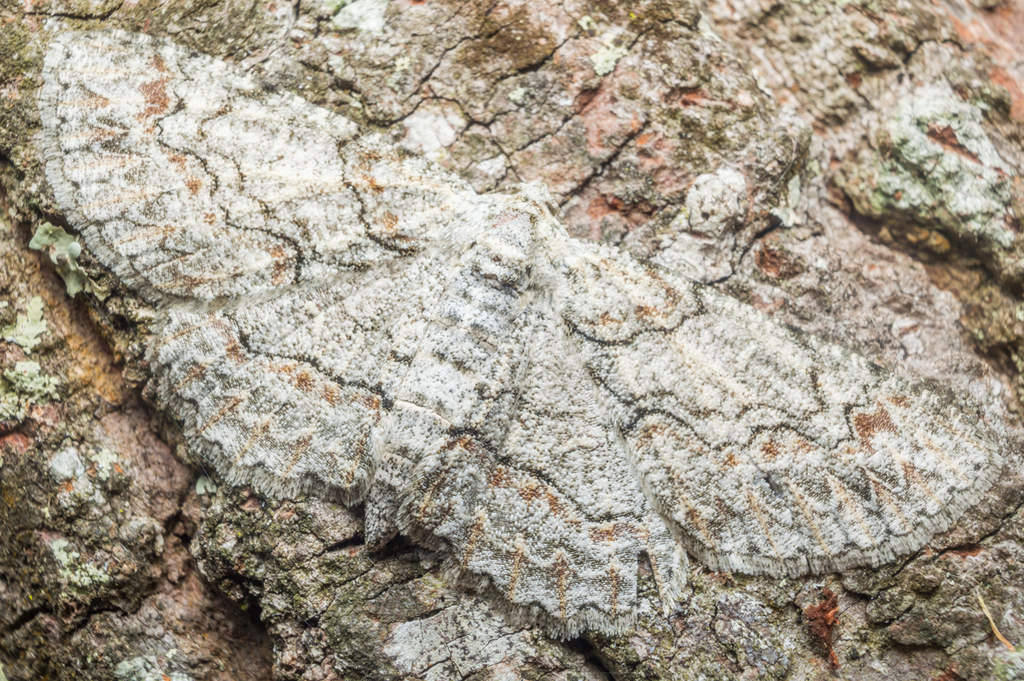
(c) Nash Turley, some rights reserved (CC BY) · licence
Family: Geometridae · Class: Insecta · Order: Lepidoptera
Iridopsis sanctissima is a California animal in the Geometridae family.
Iridopsis sanctissima is a moth species in the family Geometridae, commonly known as geometrid moths or inchworms. This species belongs to a genus of moths characterized by their angular wing patterns and cryptic coloration that provides camouflage against tree bark and lichen-covered surfaces. Geometrid moths in the genus Iridopsis typically display earth-tone coloration with intricate wing patterns consisting of wavy lines, spots, and geometric markings that vary among species. Adults generally measure 25 to 40 mm in wingspan, with forewings that are broader than the hindwings. The wing patterns often include cross-lines and discal spots that serve as identifying features for species differentiation. The geographic range and specific distribution of Iridopsis sanctissima within California requires further documentation through field surveys and museum specimen records. Many geometrid species have restricted ranges, particularly those adapted to specific host plants or microhabitats. The species name "sanctissima" suggests a possible association with sacred or protected areas, though the exact derivation remains unclear. Geometrid moths typically inhabit forested environments where their larvae, known as inchworms or loopers, feed on the foliage of various tree and shrub species. These caterpillars are characterized by their distinctive method of locomotion, arching their bodies as they move due to having fewer prolegs than other moth larvae. Host plant relationships are often specific within Geometridae, with different species specializing on particular plant families or genera. Adult geometrids are generally nocturnal, becoming active at dusk and during nighttime hours. They are attracted to artificial light sources and can be collected using blacklight traps or mercury vapor lamps. Mating typically occurs during the night, with females releasing pheromones to attract males. After mating, females deposit eggs on or near the host plant species where larvae will develop. The larval stage involves multiple instars, with caterpillars feeding on host plant foliage before pupating in soil or leaf litter. Many species have one generation per year, though some may have multiple broods depending on climate conditions and host plant availability. Adult emergence timing often coincides with optimal host plant phenology and favorable weather conditions. Without current population data or conservation assessments, the status of Iridopsis sanctissima remains uncertain. Many California moth species face pressures from habitat loss, urbanization, pesticide use, and climate change. Forest fragmentation can particularly impact species with specific host plant requirements or limited dispersal abilities. Light pollution may also affect nocturnal moths by disrupting natural behavior patterns and navigation abilities. Further research is needed to document the distribution, ecology, and conservation needs of this species. Field surveys targeting appropriate habitats and seasons would help establish population status and identify any conservation concerns. Museum specimens and citizen science observations could provide valuable distribution data for this poorly documented California moth species.
Classification
Class: Insecta · Order: Lepidoptera · Family: Geometridae
Frequently asked questions
How is Iridopsis sanctissima classified?
Iridopsis sanctissima belongs to class Insecta, order Lepidoptera, family Geometridae.
What family does Iridopsis sanctissima belong to?
Iridopsis sanctissima is in the Geometridae family.
What is Iridopsis sanctissima?
Iridopsis sanctissima is a moth species in the family Geometridae, commonly known as geometrid moths or inchworms.
Is Iridopsis sanctissima found in California?
Yes. Iridopsis sanctissima is recorded in California in The California Species Project's catalogue.
Related species
Other California species in the same genus, family, or bioregion.
Data from The California Species Project — 14,000+ California species with verified data from CNPS, CDFW, USFWS, and more.