Kodiosoma fulvum
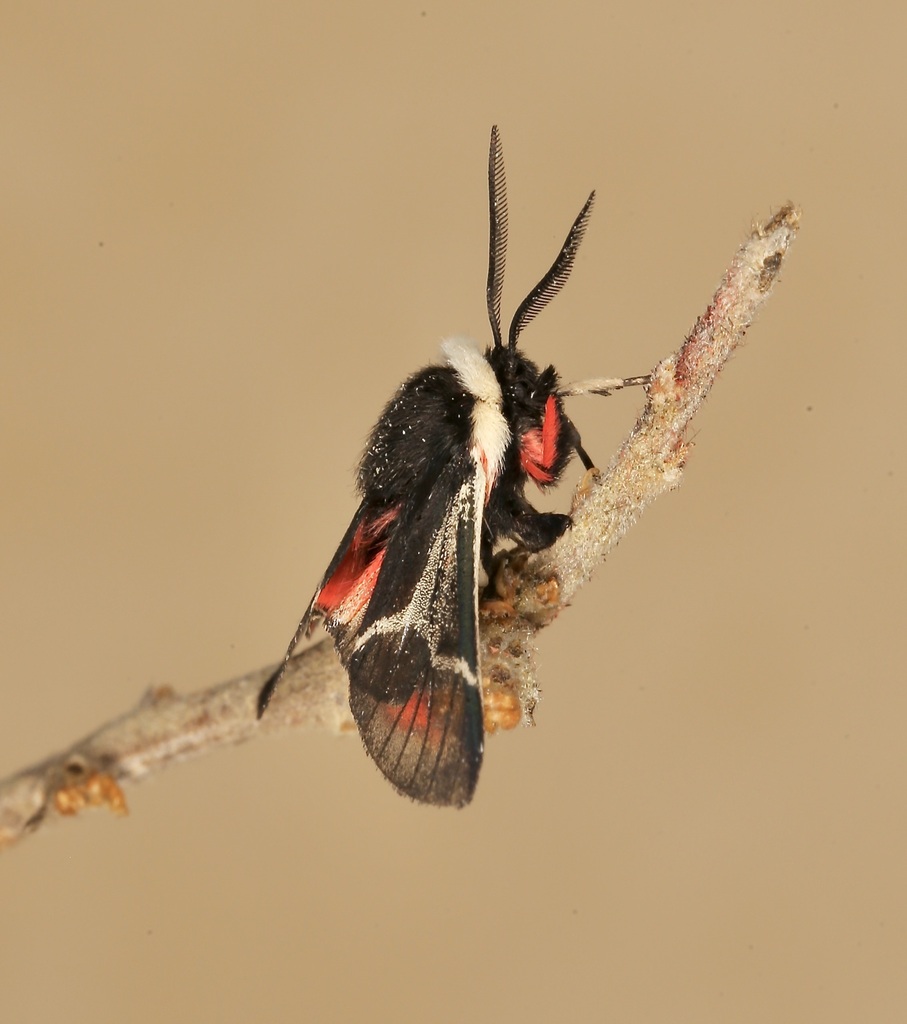
(c) Laura Gaudette, some rights reserved (CC BY) · licence
Family: Erebidae · Class: Insecta · Order: Lepidoptera
Kodiosoma fulvum is a California animal in the Erebidae family.
Kodiosoma fulvum is a moth species in the family Erebidae, subfamily Arctiinae. This species belongs to a genus of small to medium-sized moths characterized by their distinctive wing patterns and coloration. The genus Kodiosoma contains several species distributed across North America, with K. fulvum representing one of the lesser-documented members of this taxonomic group. The physical characteristics of Kodiosoma fulvum include forewings that typically display muted earth tones, consistent with the species name 'fulvum' which refers to tawny or yellowish-brown coloration. Like other members of the Erebidae family, this species exhibits the typical moth body plan with feathery or thread-like antennae, particularly prominent in males, and wings that fold horizontally over the body when at rest. Adult wingspan measurements for this species have not been extensively documented in the available literature. The geographic range of Kodiosoma fulvum appears to be limited, though specific distribution data remains sparse in current taxonomic databases. The species is known to occur in western North America, with potential occurrence in California based on related species distributions within the genus. However, precise county-level distribution records and elevation ranges have not been comprehensively mapped for this species. Habitat preferences for K. fulvum are not well-documented in the scientific literature. Members of the Erebidae family typically inhabit diverse environments ranging from woodlands to grasslands, and many species are associated with specific host plants during their larval stage. The larvae of related Kodiosoma species are known to feed on various herbaceous plants, though specific host plant relationships for K. fulvum have not been definitively established. The life cycle and behavioral ecology of Kodiosoma fulvum remain poorly studied. Like other members of the subfamily Arctiinae, this species likely undergoes complete metamorphosis with egg, larval, pupal, and adult stages. Adult flight periods, mating behaviors, and reproductive strategies have not been documented in detail. Many arctiinae moths are known to be active during nighttime hours and are attracted to artificial light sources, suggesting similar nocturnal habits for K. fulvum. The conservation status of Kodiosoma fulvum has not been formally assessed by federal or state wildlife agencies. The species is not currently listed under the Endangered Species Act, nor does it appear on California's list of species of special concern. The lack of comprehensive population data and limited ecological research makes it difficult to evaluate potential threats or conservation needs. As with many lesser-known invertebrate species, habitat loss, pesticide use, and climate change may pose risks to populations, though specific impacts on K. fulvum remain unstudied. Further research is needed to establish baseline population data, habitat requirements, and distribution patterns to inform future conservation planning.
Classification
Class: Insecta · Order: Lepidoptera · Family: Erebidae
Frequently asked questions
How is Kodiosoma fulvum classified?
Kodiosoma fulvum belongs to class Insecta, order Lepidoptera, family Erebidae.
What family does Kodiosoma fulvum belong to?
Kodiosoma fulvum is in the Erebidae family.
What is Kodiosoma fulvum?
Kodiosoma fulvum is a moth species in the family Erebidae, subfamily Arctiinae.
Is Kodiosoma fulvum found in California?
Yes. Kodiosoma fulvum is recorded in California in The California Species Project's catalogue.
Related species
Other California species in the same genus, family, or bioregion.
Data from The California Species Project — 14,000+ California species with verified data from CNPS, CDFW, USFWS, and more.