Lacanobia subjuncta
Speckled Cutworm Moth
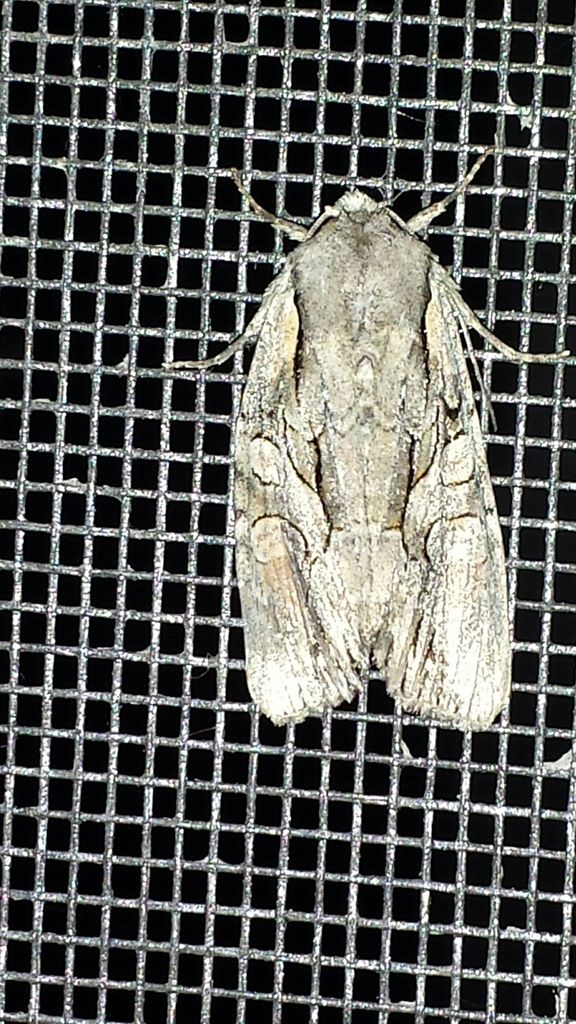
(c) Laura Gaudette, some rights reserved (CC BY) · licence
Family: Noctuidae · Class: Insecta · Order: Lepidoptera
Lacanobia subjuncta (Speckled Cutworm Moth) is a California animal in the Noctuidae family.
The Speckled Cutworm Moth (Lacanobia subjuncta) is a member of the family Noctuidae, subfamily Hadeninae. This noctuid moth has recently gained attention as a significant agricultural pest, particularly in apple orchards of eastern Washington and Oregon (Landolt 2002). Adult moths display the typical cutworm moth morphology with forewings that are generally mottled brown and gray, providing camouflage during daytime rest periods. The species occurs across North America, with documented populations from Canada south through the United States. In the western United States, the moth has been specifically recorded as an emerging pest in the Pacific Northwest apple-growing regions. The species appears to have a broad distribution but specific range limits within California remain poorly documented in current literature. Speckled Cutworm Moths inhabit diverse environments including agricultural areas, grasslands, and forest edges. The larvae develop on various host plants, with recent studies documenting significant damage to apple trees in commercial orchards. According to research by Landolt (2002), survival and development rates vary considerably depending on host plant quality and environmental conditions. The species demonstrates adaptability to both natural and cultivated plant communities. Larval behavior follows typical cutworm patterns, with caterpillars feeding nocturnally and hiding in soil or plant debris during daylight hours. The larvae are polyphagous, capable of developing on multiple plant species beyond their documented apple host preference. Adult moths are nocturnal and attracted to artificial lights, which aids in monitoring populations in agricultural settings. Flight periods and generation number appear to vary geographically, though specific phenology data for California populations requires further documentation. Like many cutworm species, larvae can cause economic damage by cutting plant stems at soil level and feeding on foliage. The species has demonstrated particular concern in apple production systems where larval feeding can significantly impact fruit development and tree health. Population monitoring in agricultural areas has become increasingly important as the moth expands its recognized pest status. Currently, Lacanobia subjuncta lacks formal conservation status designations at federal or state levels. The species appears to maintain stable populations across its range, with some populations potentially increasing in agricultural areas. As with many lepidopteran species, habitat modification and pesticide use may influence local population dynamics, though specific conservation concerns have not been identified. Further research is needed to fully document the species' distribution within California, complete life history details, and comprehensive host plant relationships. The growing recognition of this moth as an agricultural pest highlights the importance of continued monitoring and study of its biology and ecology. Scientific documentation for certain aspects of this species' natural history remains limited, and additional field studies would enhance understanding of its role in both natural and managed ecosystems.
Classification
Class: Insecta · Order: Lepidoptera · Family: Noctuidae
Frequently asked questions
How is Lacanobia subjuncta classified?
Lacanobia subjuncta belongs to class Insecta, order Lepidoptera, family Noctuidae.
What family does Lacanobia subjuncta belong to?
Lacanobia subjuncta is in the Noctuidae family.
What is Lacanobia subjuncta?
The Speckled Cutworm Moth (Lacanobia subjuncta) is a member of the family Noctuidae, subfamily Hadeninae.
Is Lacanobia subjuncta found in California?
Yes. Lacanobia subjuncta is recorded in California in The California Species Project's catalogue.
Related species
Other California species in the same genus, family, or bioregion.
Data from The California Species Project — 14,000+ California species with verified data from CNPS, CDFW, USFWS, and more.