Lacinipolia buscki
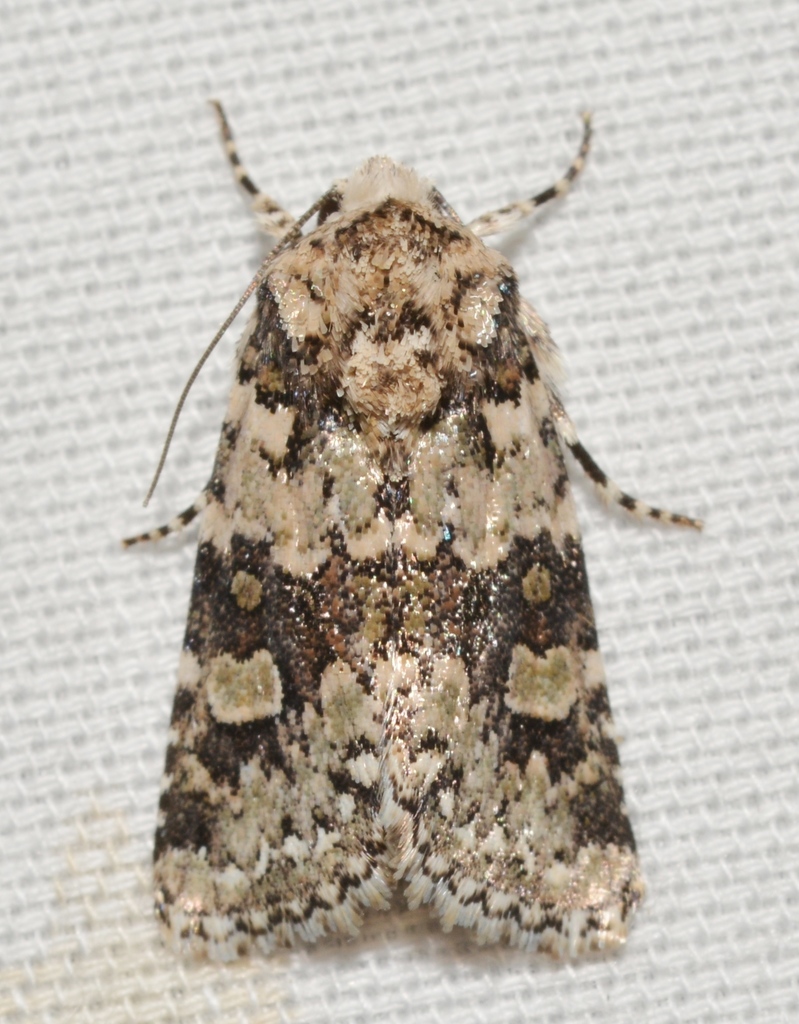
no rights reserved · CC0
Family: Noctuidae · Class: Insecta · Order: Lepidoptera
Lacinipolia buscki is a California animal in the Noctuidae family.
Lacinipolia buscki is a species of cutworm or dart moth in the family Noctuidae, first described by William Barnes and Foster Hendrickson Benjamin in 1927 (Barnes & Benjamin 1927). This noctuoid moth belongs to the subfamily Noctuinae and tribe Eriopygini, part of a diverse genus containing 64 species in North America north of Mexico (Lafontaine & Schmidt 2010). Specific morphological details for L. buscki have not been well documented in available literature. As a member of the genus Lacinipolia, it likely shares general characteristics with related species, which typically display the muted earth tones and cryptic wing patterns characteristic of cutworm moths. The genus exhibits considerable variation in wing coloration and markings among its numerous species. The distribution of L. buscki includes both Australia and North America, representing an unusual biogeographic pattern for noctuids. Within North America, the specific range limits and regional populations have not been thoroughly documented. The presence of this species in such widely separated continental regions suggests either a very ancient distribution or complex taxonomic issues that may require further investigation. Habitat requirements and ecological preferences for L. buscki remain poorly documented. Most Lacinipolia species inhabit diverse terrestrial environments where their larvae function as cutworms, feeding on herbaceous plants and grasses. Adult moths are typically attracted to lights and are most active during nighttime hours. The specific host plants and microhabitat preferences for this species have not been recorded in available scientific literature. Like other members of the Noctuinae, L. buscki likely follows a typical cutworm life cycle with eggs laid on or near host plants, larvae feeding on roots and stems of herbaceous vegetation, pupation in soil, and adults emerging to mate and continue the cycle. The timing of emergence, number of generations per year, and seasonal activity patterns have not been documented for this species. Larvae of related Lacinipolia species often cause agricultural damage as cutworms, feeding on crop plants and cutting seedlings at soil level. The conservation status of L. buscki has not been formally assessed. The species does not appear on federal or state endangered species lists, and population trends are unknown. The apparent rarity of documented specimens or observations suggests either genuinely low population densities, cryptic habits that make detection difficult, or possible taxonomic confusion with related species. The unusual distribution pattern spanning Australia and North America raises questions about species boundaries and may indicate the need for taxonomic revision using modern molecular techniques. Scientific documentation for this species remains extremely limited despite its description nearly a century ago. The information presented here is based on available taxonomic databases and general knowledge of the genus Lacinipolia. Further research is needed to document basic biological and ecological characteristics, verify distribution records, and clarify the taxonomic status of this poorly known moth species.
Classification
Class: Insecta · Order: Lepidoptera · Family: Noctuidae
Frequently asked questions
How is Lacinipolia buscki classified?
Lacinipolia buscki belongs to class Insecta, order Lepidoptera, family Noctuidae.
What family does Lacinipolia buscki belong to?
Lacinipolia buscki is in the Noctuidae family.
What is Lacinipolia buscki?
Lacinipolia buscki is a species of cutworm or dart moth in the family Noctuidae, first described by William Barnes and Foster Hendrickson Benjamin in 1927 (Barnes & Benjamin 1927).
Is Lacinipolia buscki found in California?
Yes. Lacinipolia buscki is recorded in California in The California Species Project's catalogue.
Related species
Other California species in the same genus, family, or bioregion.
Data from The California Species Project — 14,000+ California species with verified data from CNPS, CDFW, USFWS, and more.