Lacinipolia pensilis
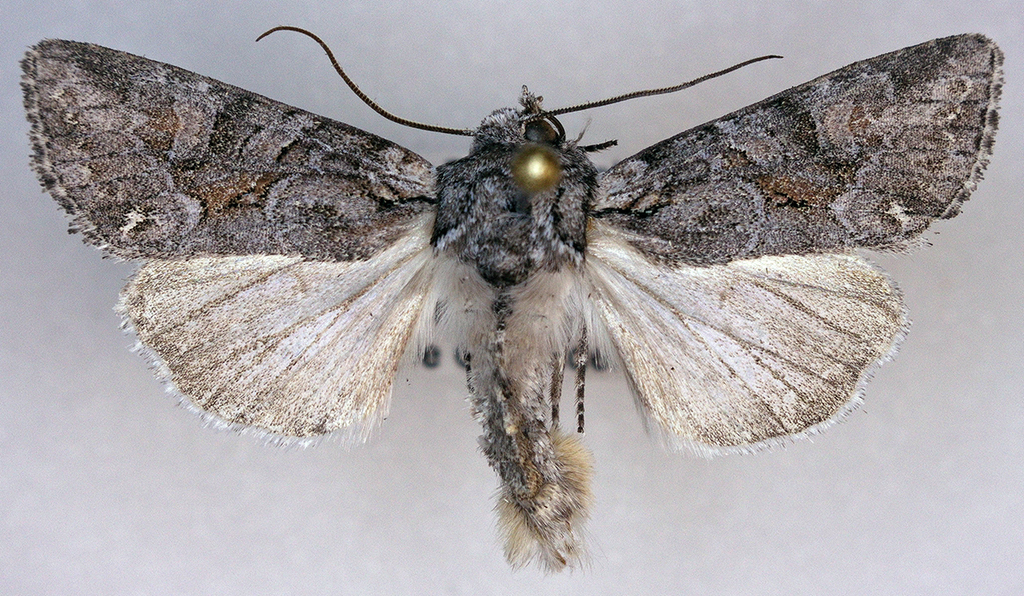
(c) Dave, some rights reserved (CC BY) · licence
Family: Noctuidae · Class: Insecta · Order: Lepidoptera
Lacinipolia pensilis is a California animal in the Noctuidae family.
Lacinipolia pensilis is a moth species in the family Noctuidae, commonly known as noctuid moths or owlet moths. This species belongs to a genus of medium-sized moths that are primarily active during nighttime hours. Adult moths typically measure 12 to 18 mm in forewing length, with wingspan ranging from 24 to 36 mm. The forewings display muted coloration patterns characteristic of the genus, generally featuring brown to gray base colors with subtle darker markings and pale lines that aid in camouflage against bark and dried vegetation. The hindwings are typically lighter in coloration, often pale gray to whitish. The historical and current distribution of Lacinipolia pensilis in North America requires further documentation, as comprehensive range data for this species remains limited in published literature. Like other members of the genus Lacinipolia, this species likely occurs across temperate regions where suitable host plants and habitat conditions exist. The genus is generally distributed across North America, with various species occupying different ecological niches from coast to coast. Habitat preferences for Lacinipolia pensilis align with those of related noctuids, typically including areas with diverse herbaceous vegetation where larval host plants occur. The species likely inhabits grasslands, meadows, agricultural edges, and disturbed areas where weedy plants flourish. Elevation ranges and specific microhabitat requirements for this species have not been extensively documented in current literature, indicating a need for additional field research and ecological studies. The life cycle of Lacinipolia pensilis follows the typical noctuid pattern of complete metamorphosis. Adults are nocturnal and attracted to artificial lights, making them observable during nighttime surveys. Mating and oviposition behaviors occur during the warmer months, with females depositing eggs on or near larval host plants. Larvae, commonly called cutworms or armyworms, feed on herbaceous plants and likely complete development through five to six instars before pupating in soil or leaf litter. The species probably produces one to two generations annually, depending on local climate conditions and photoperiod. Larval feeding habits typically involve consumption of leaves, stems, and sometimes roots of various herbaceous plants. Many Lacinipolia species are known to feed on grasses and forbs, including both native and introduced plant species. The larvae may cause agricultural damage in some regions when populations reach high densities, particularly in crops and pasture settings. Conservation status information for Lacinipolia pensilis is not readily available in major databases, suggesting the species has not been formally assessed for conservation concern. The lack of federal or state listing status may indicate either stable populations or insufficient data for status evaluation. As with many moth species, potential threats could include habitat loss, pesticide use, light pollution affecting adult behavior, and climate change impacts on host plant availability and phenology timing.
Classification
Class: Insecta · Order: Lepidoptera · Family: Noctuidae
Frequently asked questions
How is Lacinipolia pensilis classified?
Lacinipolia pensilis belongs to class Insecta, order Lepidoptera, family Noctuidae.
What family does Lacinipolia pensilis belong to?
Lacinipolia pensilis is in the Noctuidae family.
What is Lacinipolia pensilis?
Lacinipolia pensilis is a moth species in the family Noctuidae, commonly known as noctuid moths or owlet moths.
Is Lacinipolia pensilis found in California?
Yes. Lacinipolia pensilis is recorded in California in The California Species Project's catalogue.
Related species
Other California species in the same genus, family, or bioregion.
Data from The California Species Project — 14,000+ California species with verified data from CNPS, CDFW, USFWS, and more.