Lacinipolia quadrilineata
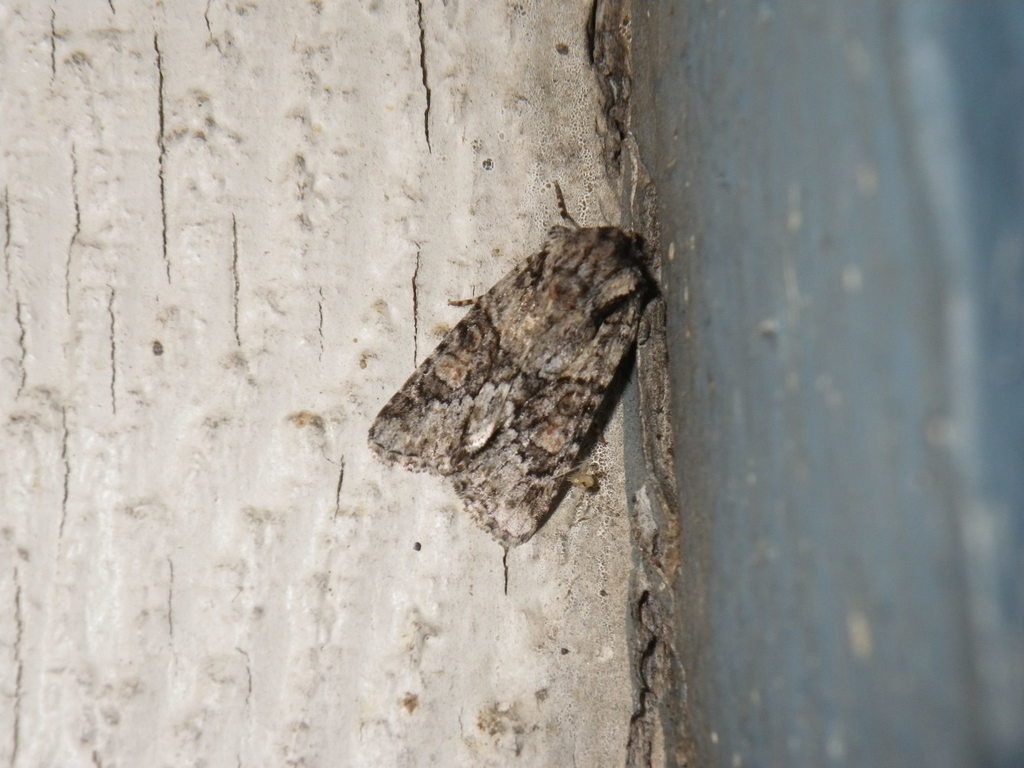
(c) Dominic, some rights reserved (CC BY) · licence
Family: Noctuidae · Class: Insecta · Order: Lepidoptera
Lacinipolia quadrilineata is a California animal in the Noctuidae family.
Lacinipolia quadrilineata is a moth in the family Noctuidae, commonly known as the owlet moths or cutworm moths. This species belongs to the genus Lacinipolia, which comprises medium-sized noctuid moths distributed across North America. The specific epithet 'quadrilineata' suggests the presence of four distinct lines or markings on the wings, though detailed morphological descriptions for this particular species are limited in the scientific literature. The forewing length of Lacinipolia species typically ranges from 12 to 18 millimeters (0.47 to 0.71 inches), with wingspan measurements generally between 25 to 35 millimeters (0.98 to 1.38 inches). Moths in this genus display muted earth-tone coloration, primarily browns and grays, which provides effective camouflage against tree bark and leaf litter. The wing patterns often include transverse lines, orbicular and reniform spots characteristic of the Noctuidae family, though the specific arrangement varies among species. The geographic range and distribution of L. quadrilineata within California requires further documentation. Many Lacinipolia species occur across western North America, with several documented in California's diverse ecosystems. The genus is typically associated with temperate regions and mountainous areas where suitable host plants are available. Habitat preferences for this species remain poorly documented, though related Lacinipolia moths generally inhabit areas supporting their larval host plants. These environments may include mixed coniferous forests, woodland edges, and areas with herbaceous understory vegetation. Elevation preferences and specific microhabitat requirements for L. quadrilineata have not been thoroughly studied or reported in accessible literature. Like other noctuids, L. quadrilineata likely exhibits nocturnal behavior, with adults active during nighttime hours. The flight period for most Lacinipolia species occurs during summer months, typically from June through August, though timing varies with elevation and local climate conditions. Larvae are presumed to be herbivorous, feeding on various plant species, though specific host plant associations for this species require verification. Many noctuid larvae are known as cutworms due to their habit of severing plant stems at ground level. Reproduction follows the typical lepidopteran pattern, with females depositing eggs on or near host plants. Larvae undergo several molts before pupating, often in soil or leaf litter. The number of generations per year and overwintering stage for L. quadrilineata are not well documented in current literature. The conservation status of L. quadrilineata appears to be unassessed, as it lacks federal or state listing designations. This absence of formal conservation status may reflect either stable populations or insufficient data to evaluate population trends. Many moth species remain understudied, particularly those without obvious economic importance or distinctive ecological roles. The lack of comprehensive surveys for nocturnal lepidoptera in California makes it difficult to assess population stability or identify potential threats to species like L. quadrilineata. Further research is needed to establish baseline population data, habitat requirements, and potential conservation needs for this species.
Classification
Class: Insecta · Order: Lepidoptera · Family: Noctuidae
Frequently asked questions
How is Lacinipolia quadrilineata classified?
Lacinipolia quadrilineata belongs to class Insecta, order Lepidoptera, family Noctuidae.
What family does Lacinipolia quadrilineata belong to?
Lacinipolia quadrilineata is in the Noctuidae family.
What is Lacinipolia quadrilineata?
Lacinipolia quadrilineata is a moth in the family Noctuidae, commonly known as the owlet moths or cutworm moths.
Is Lacinipolia quadrilineata found in California?
Yes. Lacinipolia quadrilineata is recorded in California in The California Species Project's catalogue.
Related species
Other California species in the same genus, family, or bioregion.
Data from The California Species Project — 14,000+ California species with verified data from CNPS, CDFW, USFWS, and more.